THE ADVENTURE COLLECTIVE® · Independent discovery and booking for outdoor travel

Spend a day walking from waterfalls to rice terraces with a local guide who links Balinese ritual and geology. This private tour mixes short hikes, a swim, cultural stops and a jungle swing for crisp photos and an approachable outdoor challenge.
Spend a day walking from waterfalls to rice terraces with a local guide who links Balinese ritual and geology. This private tour mixes short hikes, a swim, cultural stops and a jungle swing for crisp photos and an approachable outdoor challenge.
Morning light filters through tall dipterocarp and coconut palms as the group steps off a shaded lane and into the first stretch of trail — a compact loop of dirt, stone steps and narrow footpaths that traces streams, rice terraces and temple clearings. The day moves with a quiet rhythm: a short descent to a waterfall where sunlight splits into beams over the canyon, a walk through emerald rice fields edged by irrigation channels, a visit to a water palace and a final adrenaline jolt on a jungle swing above a steep valley.
Verified experiences and guided adventures in the surrounding area.
Operated by Opatrip.com Indonesia · Ubud, Bali
Morning light filters through tall dipterocarp and coconut palms as the group steps off a shaded lane and into the first stretch of trail — a compact loop of dirt, stone steps and narrow footpaths that traces streams, rice terraces and temple clearings. The day moves with a quiet rhythm: a short descent to a waterfall where sunlight splits into beams over the canyon, a walk through emerald rice fields edged by irrigation channels, a visit to a water palace and a final adrenaline jolt on a jungle swing above a steep valley.
This corridor around Ubud sits on volcanic soils shaped by Mount Agung and smaller ridgelines; the terraced paddies are organized by Bali’s centuries-old subak irrigation system, a local cooperative practice tied to temple rites. Cultural pauses at small shrines and a family-run temple give context to rice cultivation and ritual life, while the waterfall and stream corridors host riparian plants and small freshwater fish.
Practically, expect a full-day itinerary (roughly 10 hours) with several short hikes totaling around 6–8 km on mixed terrain and cumulative elevation changes under 400 m. Paths include muddy sections after rain and stone steps at temple approaches. Bring sturdy shoes for traction, a change of clothes if you plan to swim, and sun protection for exposed terraces. Start early to avoid midday heat and crowds; conservancy-minded travelers should follow guide instructions at sacred sites and pack out waste. Guides typically handle permits and transfers, making this a convenient way to see Ubud’s natural and cultural highlights in a single, camera-ready loop.
Yes—routes are short with manageable elevation; the guide will pace the group and offer alternatives for limited mobility.
Yes, most itineraries include time to swim if conditions and safety allow; bring swimwear and note that depth varies seasonally.
Visits often include small temples; modest clothing is required—bring a sarong or the guide can help arrange one for respectful entry.
Private tours typically include hotel transfer in Ubud; confirm pickup details and timing when you book.
Opatrip.com Indonesia operates guided outdoor trips and adventures with an emphasis on safety, stewardship, and memorable experiences.
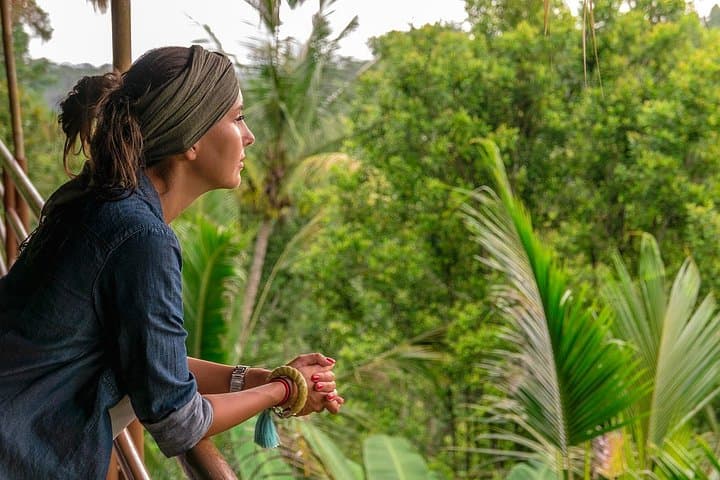
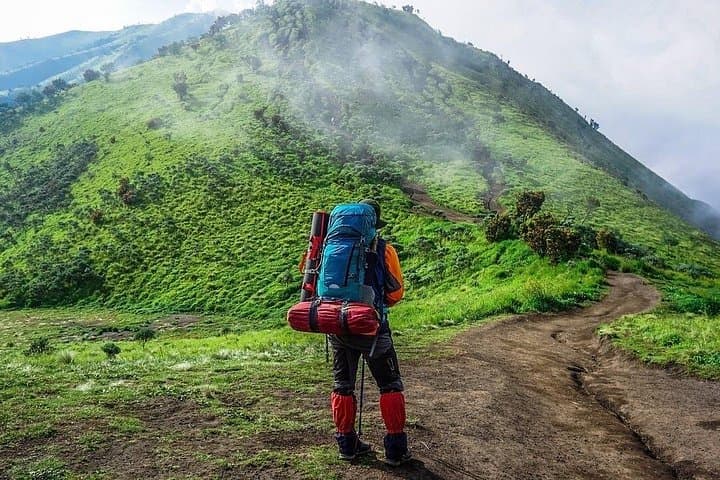


Morning light filters through tall dipterocarp and coconut palms as the group steps off a shaded lane and into the first stretch of trail — a compact loop of dirt, stone steps and narrow footpaths that traces streams, rice terraces and temple clearings. The day moves with a quiet rhythm: a short descent to a waterfall where sunlight splits into beams over the canyon, a walk through emerald rice fields edged by irrigation channels, a visit to a water palace and a final adrenaline jolt on a jungle swing above a steep valley.
Morning light filters through tall dipterocarp and coconut palms as the group steps off a shaded lane and into the first stretch of trail — a compact loop of dirt, stone steps and narrow footpaths that traces streams, rice terraces and temple clearings. The day moves with a quiet rhythm: a short descent to a waterfall where sunlight splits into beams over the canyon, a walk through emerald rice fields edged by irrigation channels, a visit to a water palace and a final adrenaline jolt on a jungle swing above a steep valley.
This corridor around Ubud sits on volcanic soils shaped by Mount Agung and smaller ridgelines; the terraced paddies are organized by Bali’s centuries-old subak irrigation system, a local cooperative practice tied to temple rites. Cultural pauses at small shrines and a family-run temple give context to rice cultivation and ritual life, while the waterfall and stream corridors host riparian plants and small freshwater fish.
Practically, expect a full-day itinerary (roughly 10 hours) with several short hikes totaling around 6–8 km on mixed terrain and cumulative elevation changes under 400 m. Paths include muddy sections after rain and stone steps at temple approaches. Bring sturdy shoes for traction, a change of clothes if you plan to swim, and sun protection for exposed terraces. Start early to avoid midday heat and crowds; conservancy-minded travelers should follow guide instructions at sacred sites and pack out waste. Guides typically handle permits and transfers, making this a convenient way to see Ubud’s natural and cultural highlights in a single, camera-ready loop.