THE ADVENTURE COLLECTIVE® · Independent discovery and booking for outdoor travel

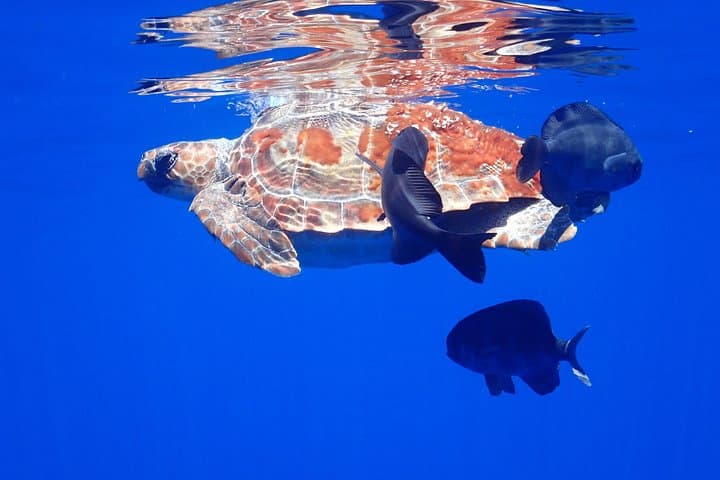
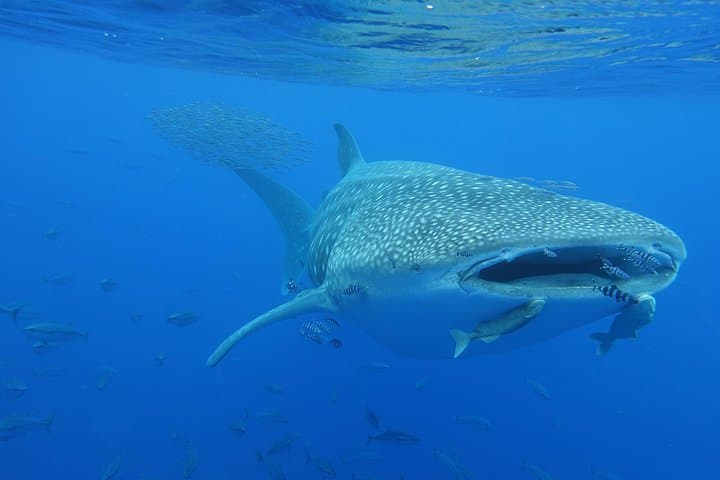
Spend a private day at sea from Faial with a marine-biologist skipper: snorkel with turtles, watch dolphins, and take in volcanic coastlines, finishing with a quiet bay lunch. Flexible timing increases your chance to spot seasonal giants like whale sharks.
Spend a private day at sea from Faial with a marine-biologist skipper: snorkel with turtles, watch dolphins, and take in volcanic coastlines, finishing with a quiet bay lunch. Flexible timing increases your chance to spot seasonal giants like whale sharks.
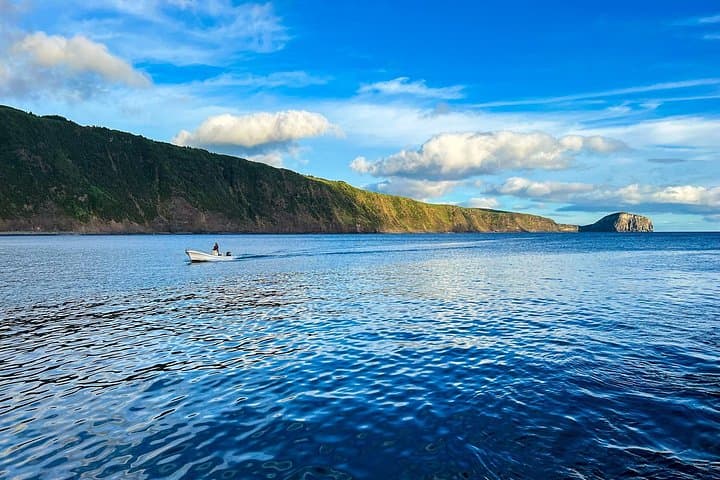
Morning light slides across Horta’s harbor as the boat eases away from the quay, engines lowering to a steady hum. The sea opens, cool and restless, daring you to trade pavement for salt and the hollow echo of cliffs. Over the next seven hours you’ll work with a marine-biologist skipper to find pockets of life — drifting turtles, playful dolphins, and the occasional schooling tuna — while the islands of Pico and São Jorge loom like dark sketches on the horizon.
Verified experiences and guided adventures in the surrounding area.
Operated by Go Shark Azores · Horta, Azores
Morning light slides across Horta’s harbor as the boat eases away from the quay, engines lowering to a steady hum. The sea opens, cool and restless, daring you to trade pavement for salt and the hollow echo of cliffs. Over the next seven hours you’ll work with a marine-biologist skipper to find pockets of life — drifting turtles, playful dolphins, and the occasional schooling tuna — while the islands of Pico and São Jorge loom like dark sketches on the horizon.
The Azores are volcanic: Capelinhos’s 1957 eruption remade Faial’s western shore and left raw basalt scarps that fall into the Atlantic. Fishing and whaling history shaped Horta’s culture, while small bays still host family-run farms and organic produce that often fuels onboard lunches.
Expect a mix of sheltered coves for snorkeling and open-water stretches where currents push you toward feeding frenzies. The crew briefs and checks equipment, offers a short refresh dive, and keeps the itinerary flexible to chase sightings — early starts increase odds of bait balls and larger pelagics.
Practical tips: bring reef-safe sunscreen, a snug mask and fins, and a waterproof camera or housing. Stay hydrated, dress in layers (sea breezes can chill), and listen to the skipper about when to enter the water — the wildlife decides the pace. If you want whale sharks, plan mid-August to October. The day finishes anchored in a quiet bay for a fresh, local lunch on a deserted beach before the slow run home, salt on your skin and stories to swap in Horta’s harbor cafés.
Yes — masks, snorkels and fins are available, but many guests bring their own for comfort and fit.
Children can usually join if they are comfortable swimmers; confirm ages with the operator and note safety measures.
Sightings are most common from mid-August through October, but sightings are never guaranteed and depend on conditions.
Transfers are not automatically included; the booking asks about pickup details — confirm logistics with the operator when reserving.
Go Shark Azores operates guided outdoor trips and adventures with an emphasis on safety, stewardship, and memorable experiences.

Morning light slides across Horta’s harbor as the boat eases away from the quay, engines lowering to a steady hum. The sea opens, cool and restless, daring you to trade pavement for salt and the hollow echo of cliffs. Over the next seven hours you’ll work with a marine-biologist skipper to find pockets of life — drifting turtles, playful dolphins, and the occasional schooling tuna — while the islands of Pico and São Jorge loom like dark sketches on the horizon.
Morning light slides across Horta’s harbor as the boat eases away from the quay, engines lowering to a steady hum. The sea opens, cool and restless, daring you to trade pavement for salt and the hollow echo of cliffs. Over the next seven hours you’ll work with a marine-biologist skipper to find pockets of life — drifting turtles, playful dolphins, and the occasional schooling tuna — while the islands of Pico and São Jorge loom like dark sketches on the horizon.
The Azores are volcanic: Capelinhos’s 1957 eruption remade Faial’s western shore and left raw basalt scarps that fall into the Atlantic. Fishing and whaling history shaped Horta’s culture, while small bays still host family-run farms and organic produce that often fuels onboard lunches.
Expect a mix of sheltered coves for snorkeling and open-water stretches where currents push you toward feeding frenzies. The crew briefs and checks equipment, offers a short refresh dive, and keeps the itinerary flexible to chase sightings — early starts increase odds of bait balls and larger pelagics.
Practical tips: bring reef-safe sunscreen, a snug mask and fins, and a waterproof camera or housing. Stay hydrated, dress in layers (sea breezes can chill), and listen to the skipper about when to enter the water — the wildlife decides the pace. If you want whale sharks, plan mid-August to October. The day finishes anchored in a quiet bay for a fresh, local lunch on a deserted beach before the slow run home, salt on your skin and stories to swap in Horta’s harbor cafés.