THE ADVENTURE COLLECTIVE® · Independent discovery and booking for outdoor travel

Head west of Sedona into Seven Canyons for a private two-hour Jeep stargazing tour that trades city glare for a full view of the Milky Way. Guides combine geology, local history, and astronomy as you stop at dark-sky vantage points for photos and stories.
Head west of Sedona into Seven Canyons for a private two-hour Jeep stargazing tour that trades city glare for a full view of the Milky Way. Guides combine geology, local history, and astronomy as you stop at dark-sky vantage points for photos and stories.
Dusk arrives like a dimmer switch in Seven Canyons — the red cliffs cool from orange to deep rust while the desert breathes out its heat. A Jeep rumbles onto a rarely used western track, tires crunching over ancient sandstone, and the valley opens to a wide sky. Away from Sedona’s lights the Milky Way takes center stage: a smear of silver above hoodoos and juniper. Guides pause the engine, point with a laser, and let the night do the talking.
Verified experiences and guided adventures in the surrounding area.
Operated by A Day in the West Jeep Tours · Sedona, Arizona
Dusk arrives like a dimmer switch in Seven Canyons — the red cliffs cool from orange to deep rust while the desert breathes out its heat. A Jeep rumbles onto a rarely used western track, tires crunching over ancient sandstone, and the valley opens to a wide sky. Away from Sedona’s lights the Milky Way takes center stage: a smear of silver above hoodoos and juniper. Guides pause the engine, point with a laser, and let the night do the talking.
Geology here reads like pages of Earth's slow work. The red rocks are Permian sandstones, their iron-rich grains oxidized into the color that defines northern Arizona. Those same cliffs were carved by intermittent streams and wind over millions of years, producing ledges and bowls that catch the light differently as the moon rises. Human history is present too — this is Upland Sonoran and Apache country, later settled in pockets by Anglo ranchers; the trails you’ll ride skirt lands long observed by people who tracked weather and stars with practical precision.
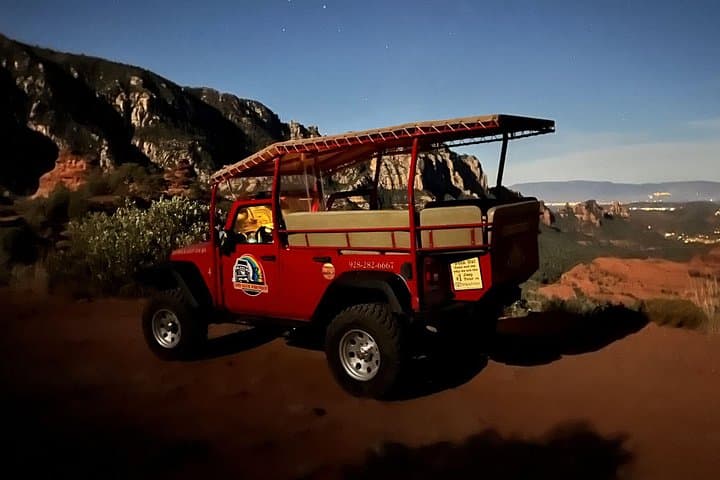
The tour is two hours of low-impact exploration: a private Jeep run onto western trails, stops for orientation, constellation storytelling, and several photo-ready pauses. Guides weave natural history with local lore — identifying creek lines, pointing out resilient agaves and the pale blooms of night-blooming cereus, and explaining how dark-sky practices preserve views for future visitors.
Practical matters matter: the operator meets on Sedona’s west side at their travel center to maximize trail time, and minimums and safety rules are strict — not recommended for pregnant guests or those with serious back issues. Jeeps hold up to six people and dogs are allowed, making this a good option for small private groups who want an easy, immersive night out rather than a crowded observatory.
Timing shapes the experience. New-moon nights and late spring or early fall sidestep the extremes of summer heat and winter chill while delivering crisp views. Bring layers: desert nights drop quickly at 4,300+ feet elevation, and a windbreaker makes a big difference. A small tripod and wide-angle lens reward patient photographers; binoculars or a small spotting scope bring nebulae and clusters into focus.
This is an accessible, interpretive night-ride rather than a technical astronomy session — it’s about placing you in a remote patch of sky, learning a few stories of place and rock, and leaving you with a clear, unforgettable view of the galaxy overhead. Follow Leave No Trace and respect the dark-sky etiquette you’re shown; here the night belongs to everyone who comes to look up.
The experience lasts about two hours from the west Sedona meeting point to return.
Children are allowed (minimum three years old) and dogs are permitted; service animals accepted.
No — the tour operator advises against participation for pregnant guests and those with spinal injuries.
Jeeps accommodate up to six guests depending on size and weight; tours are private with a minimum of two people.
Expect limited or no cell service on the western trails — guides provide orientation and safety briefings onsite.
It’s an interpretive stargazing outing: guides point out constellations, Milky Way features, and local ecology rather than offering advanced telescope sessions.
A Day in the West Jeep Tours operates guided outdoor trips and adventures with an emphasis on safety, stewardship, and memorable experiences.
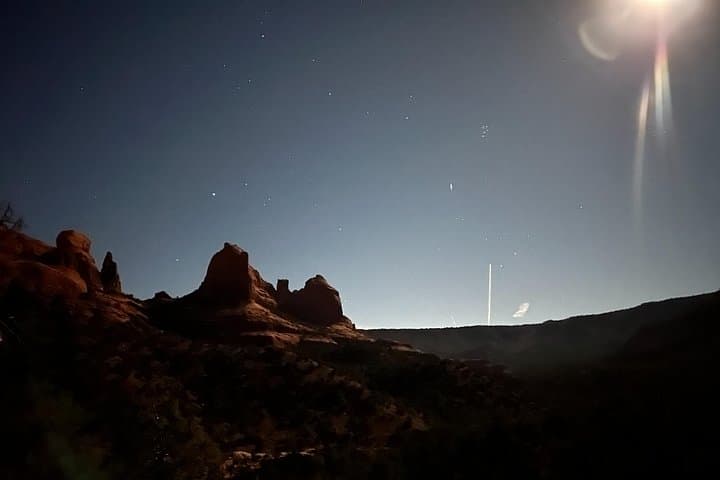
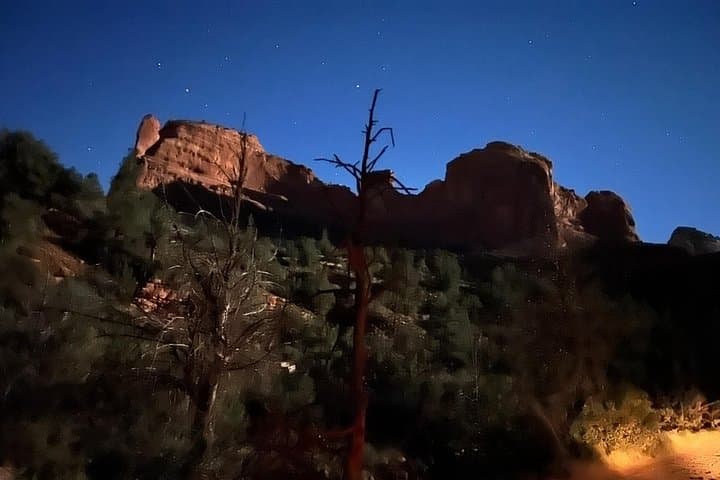
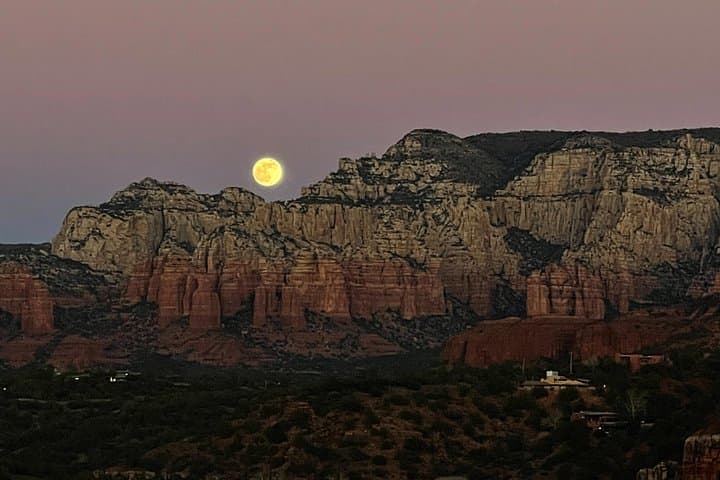
Dusk arrives like a dimmer switch in Seven Canyons — the red cliffs cool from orange to deep rust while the desert breathes out its heat. A Jeep rumbles onto a rarely used western track, tires crunching over ancient sandstone, and the valley opens to a wide sky. Away from Sedona’s lights the Milky Way takes center stage: a smear of silver above hoodoos and juniper. Guides pause the engine, point with a laser, and let the night do the talking.
Dusk arrives like a dimmer switch in Seven Canyons — the red cliffs cool from orange to deep rust while the desert breathes out its heat. A Jeep rumbles onto a rarely used western track, tires crunching over ancient sandstone, and the valley opens to a wide sky. Away from Sedona’s lights the Milky Way takes center stage: a smear of silver above hoodoos and juniper. Guides pause the engine, point with a laser, and let the night do the talking.
Geology here reads like pages of Earth's slow work. The red rocks are Permian sandstones, their iron-rich grains oxidized into the color that defines northern Arizona. Those same cliffs were carved by intermittent streams and wind over millions of years, producing ledges and bowls that catch the light differently as the moon rises. Human history is present too — this is Upland Sonoran and Apache country, later settled in pockets by Anglo ranchers; the trails you’ll ride skirt lands long observed by people who tracked weather and stars with practical precision.
The tour is two hours of low-impact exploration: a private Jeep run onto western trails, stops for orientation, constellation storytelling, and several photo-ready pauses. Guides weave natural history with local lore — identifying creek lines, pointing out resilient agaves and the pale blooms of night-blooming cereus, and explaining how dark-sky practices preserve views for future visitors.
Practical matters matter: the operator meets on Sedona’s west side at their travel center to maximize trail time, and minimums and safety rules are strict — not recommended for pregnant guests or those with serious back issues. Jeeps hold up to six people and dogs are allowed, making this a good option for small private groups who want an easy, immersive night out rather than a crowded observatory.
Timing shapes the experience. New-moon nights and late spring or early fall sidestep the extremes of summer heat and winter chill while delivering crisp views. Bring layers: desert nights drop quickly at 4,300+ feet elevation, and a windbreaker makes a big difference. A small tripod and wide-angle lens reward patient photographers; binoculars or a small spotting scope bring nebulae and clusters into focus.
This is an accessible, interpretive night-ride rather than a technical astronomy session — it’s about placing you in a remote patch of sky, learning a few stories of place and rock, and leaving you with a clear, unforgettable view of the galaxy overhead. Follow Leave No Trace and respect the dark-sky etiquette you’re shown; here the night belongs to everyone who comes to look up.