THE ADVENTURE COLLECTIVE® · Independent discovery and booking for outdoor travel

Step onto a working New Zealand sheep and beef farm for a half-day of live shearing, skilled dog herding, and a rural lunch. This private summer tour blends hands-on demonstrations with practical insight into Kiwi farming traditions.
Step onto a working New Zealand sheep and beef farm for a half-day of live shearing, skilled dog herding, and a rural lunch. This private summer tour blends hands-on demonstrations with practical insight into Kiwi farming traditions.
A salt-laced breeze carries the sound of hooves across a sun-warmed paddock as you step off the vehicle and onto a working New Zealand farm. Grass underfoot is clipped short where sheep have grazed; distant ridgelines roll toward the Hauraki Gulf. On this half-day private tour visitors move through paddocks and yards, watching dogs quarter the fields and shearers split fleeces with practiced speed.
Verified experiences and guided adventures in the surrounding area.
Operated by Auckland & Beyond Tours · Matakana, Auckland Region
A salt-laced breeze carries the sound of hooves across a sun-warmed paddock as you step off the vehicle and onto a working New Zealand farm. Grass underfoot is clipped short where sheep have grazed; distant ridgelines roll toward the Hauraki Gulf. On this half-day private tour visitors move through paddocks and yards, watching dogs quarter the fields and shearers split fleeces with practiced speed.
Farming like this shapes Aotearoa’s modern history: 19th-century European settlement turned broad grasslands into sheep and beef stations that built regional economies. Beneath the green, volcanic soils and marine sedimentary layers tell a quieter geological story — fertile plains formed by coastal and volcanic processes that make the land productive. Culturally, the visit touches both settler farming practices and the long-standing Māori relationship with the land and animals.
Expect a hands-on, interpretive experience: guided commentary on breed selection, pasture rotation, and animal welfare; a live sheep-shearing demo; and dog-handling displays that show the handler/kanuka partnership. Lunch is served outdoors in a rural setting, often with seasonal produce. Summer is the operating season (Oct–Apr), so plan sun protection and sensible footwear for uneven farm tracks.
Practical notes: cameras are welcome but respect animal-handling zones; follow guide instructions around livestock; children must be accompanied. The tone is educational and active — visitors leave with a clearer sense of how sheep and beef farming functions day to day and the practical choices farmers make to steward the land.
Yes—children are welcome but must be accompanied by an adult; infant seats are available by request.
Comfortable, weather-appropriate clothing and closed-toe shoes; bring sun protection and a light rain layer just in case.
Basic, supervised interactions are typically permitted, but follow the guide’s instructions and avoid entering pens during demonstrations.
Private transportation is provided; booking questions collect pickup point and cruise or flight details if applicable.
Auckland & Beyond Tours operates guided outdoor trips and adventures with an emphasis on safety, stewardship, and memorable experiences.
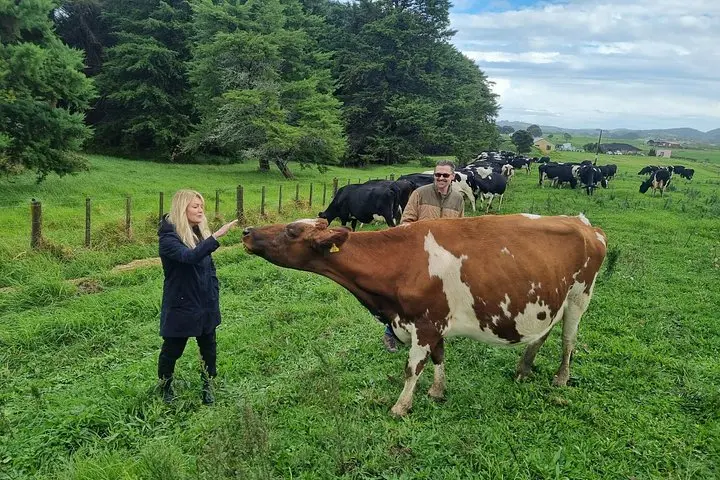
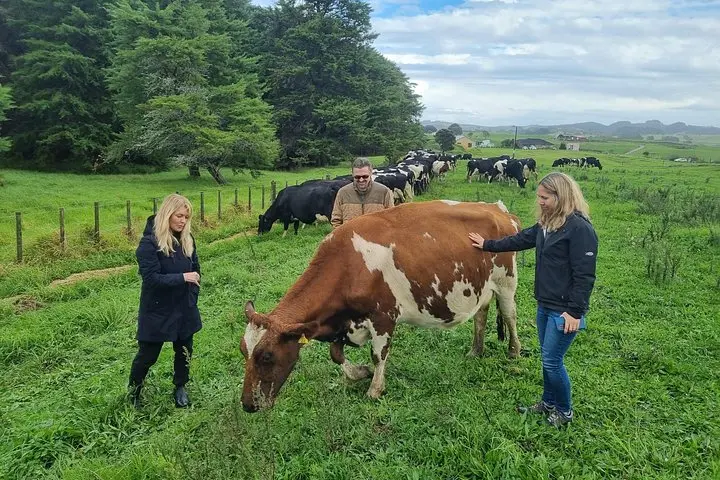
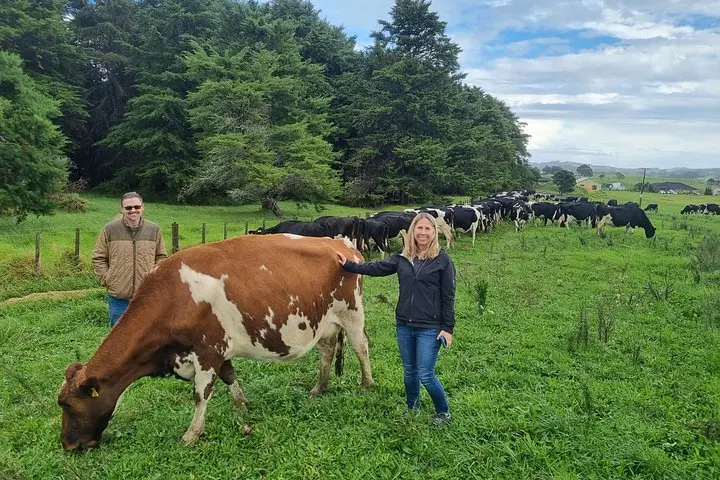
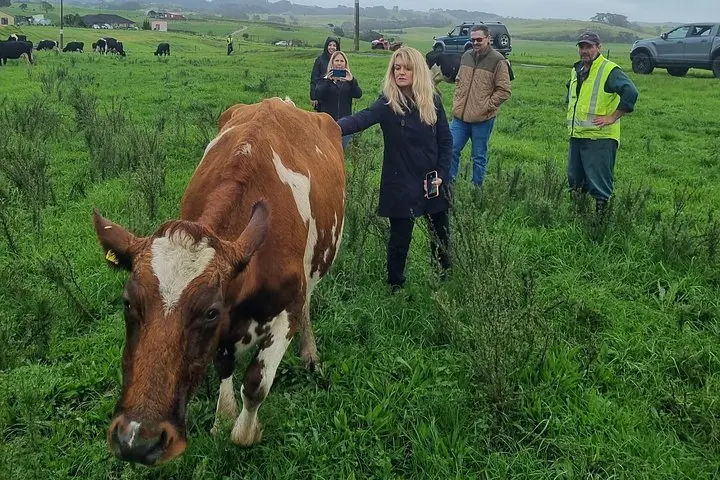
A salt-laced breeze carries the sound of hooves across a sun-warmed paddock as you step off the vehicle and onto a working New Zealand farm. Grass underfoot is clipped short where sheep have grazed; distant ridgelines roll toward the Hauraki Gulf. On this half-day private tour visitors move through paddocks and yards, watching dogs quarter the fields and shearers split fleeces with practiced speed.
A salt-laced breeze carries the sound of hooves across a sun-warmed paddock as you step off the vehicle and onto a working New Zealand farm. Grass underfoot is clipped short where sheep have grazed; distant ridgelines roll toward the Hauraki Gulf. On this half-day private tour visitors move through paddocks and yards, watching dogs quarter the fields and shearers split fleeces with practiced speed.
Farming like this shapes Aotearoa’s modern history: 19th-century European settlement turned broad grasslands into sheep and beef stations that built regional economies. Beneath the green, volcanic soils and marine sedimentary layers tell a quieter geological story — fertile plains formed by coastal and volcanic processes that make the land productive. Culturally, the visit touches both settler farming practices and the long-standing Māori relationship with the land and animals.
Expect a hands-on, interpretive experience: guided commentary on breed selection, pasture rotation, and animal welfare; a live sheep-shearing demo; and dog-handling displays that show the handler/kanuka partnership. Lunch is served outdoors in a rural setting, often with seasonal produce. Summer is the operating season (Oct–Apr), so plan sun protection and sensible footwear for uneven farm tracks.
Practical notes: cameras are welcome but respect animal-handling zones; follow guide instructions around livestock; children must be accompanied. The tone is educational and active — visitors leave with a clearer sense of how sheep and beef farming functions day to day and the practical choices farmers make to steward the land.