THE ADVENTURE COLLECTIVE® · Independent discovery and booking for outdoor travel

Skip the big groups and trace Shibuya’s electric streets with a private guide: from Hachikō’s faithful gaze to the tight alleys of Nonbei Yokocho and the rooftop calm of Miyashita Park. This curated two-hour walk balances Tokyo’s modern pulse with local insights.
Skip the big groups and trace Shibuya’s electric streets with a private guide: from Hachikō’s faithful gaze to the tight alleys of Nonbei Yokocho and the rooftop calm of Miyashita Park. This curated two-hour walk balances Tokyo’s modern pulse with local insights.
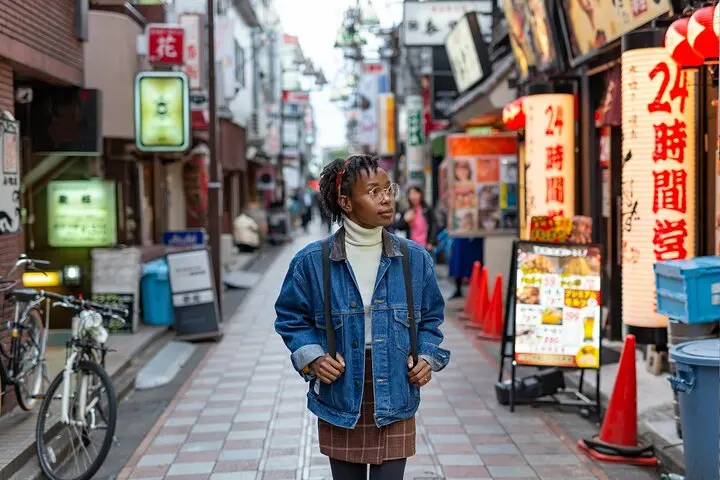
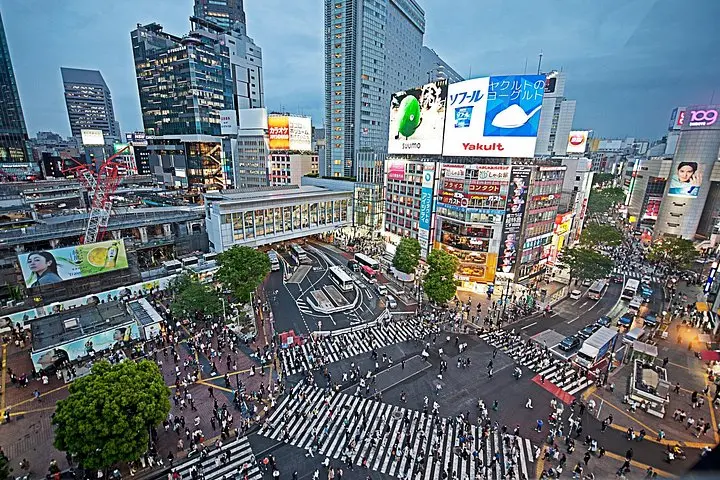
The trampling rhythm of footsteps and the pulse of neon greet you as you emerge near Shibuya Station; the Scramble Crossing parts and reforms like a living mosaic, while the Hachikō statue watches patiently at the station exit.
Verified experiences and guided adventures in the surrounding area.
Operated by Opatrip.com Japan · Shibuya, Tokyo
The trampling rhythm of footsteps and the pulse of neon greet you as you emerge near Shibuya Station; the Scramble Crossing parts and reforms like a living mosaic, while the Hachikō statue watches patiently at the station exit.
This two-hour private walking tour threads modern landmarks and narrow lanes: Mark City’s busy façade, Taro Okamoto’s powerful "Myth of Tomorrow" mural, Miyashita Park’s rooftop reinvention, and the intimate side-streets of Nonbei Yokocho and Spain-zaka. Shibuya’s present-day energy sits atop layers of history—once a riverside suburb on the edge of Edo-era routes, later a 20th-century transport and entertainment hub that refashioned itself after wartime rebuilding into a center of youth culture.
Geology here is urbanized: the district overlays alluvial flats and small river channels (notably the buried Shibuya River), which shaped early settlement patterns and modern redevelopment like the raised plazas surrounding the station. Culturally, Shibuya balances commercial flash with pockets of nostalgia—the tiny izakaya alleys are as instructive as the big screens.
Practical guidance: expect mostly flat, paved walking with short standing stops; the guide times adapt to crowds and light. Bring comfortable shoes, a transit card, and some cash for small bars. Morning and late-evening visits soften the crush at the crossing; midday is busiest. Respect small-business etiquette in alley bars, keep group sizes manageable for narrow lanes, and use a compact daypack to move smoothly through stairways and pedestrian bridges.
Yes—it's mostly flat and easy-paced, but notify the operator of mobility needs; narrow alleys can be tight for strollers or large groups.
Private format usually allows adjustments—ask to focus more on nightlife alleys, street fashion, or contemporary architecture when booking.
No—this tour covers public places and viewpoints only; food and drink are extra and payable on-site, often in cash at tiny establishments.
Early morning for emptier crossings and softer light, or just after sunset for vibrant neon—your guide can time the crossing accordingly.
Opatrip.com Japan operates guided outdoor trips and adventures with an emphasis on safety, stewardship, and memorable experiences.
The trampling rhythm of footsteps and the pulse of neon greet you as you emerge near Shibuya Station; the Scramble Crossing parts and reforms like a living mosaic, while the Hachikō statue watches patiently at the station exit.
The trampling rhythm of footsteps and the pulse of neon greet you as you emerge near Shibuya Station; the Scramble Crossing parts and reforms like a living mosaic, while the Hachikō statue watches patiently at the station exit.
This two-hour private walking tour threads modern landmarks and narrow lanes: Mark City’s busy façade, Taro Okamoto’s powerful "Myth of Tomorrow" mural, Miyashita Park’s rooftop reinvention, and the intimate side-streets of Nonbei Yokocho and Spain-zaka. Shibuya’s present-day energy sits atop layers of history—once a riverside suburb on the edge of Edo-era routes, later a 20th-century transport and entertainment hub that refashioned itself after wartime rebuilding into a center of youth culture.
Geology here is urbanized: the district overlays alluvial flats and small river channels (notably the buried Shibuya River), which shaped early settlement patterns and modern redevelopment like the raised plazas surrounding the station. Culturally, Shibuya balances commercial flash with pockets of nostalgia—the tiny izakaya alleys are as instructive as the big screens.
Practical guidance: expect mostly flat, paved walking with short standing stops; the guide times adapt to crowds and light. Bring comfortable shoes, a transit card, and some cash for small bars. Morning and late-evening visits soften the crush at the crossing; midday is busiest. Respect small-business etiquette in alley bars, keep group sizes manageable for narrow lanes, and use a compact daypack to move smoothly through stairways and pedestrian bridges.