THE ADVENTURE COLLECTIVE® · Independent discovery and booking for outdoor travel

Spend five hours tracing Luxor’s living crafts—from papyrus studios and stone workshops to aromatic market alleys—on a private guided shopping tour. Experience expert-led visits, bargaining tips, and an optional felucca sail along the Nile.
Spend five hours tracing Luxor’s living crafts—from papyrus studios and stone workshops to aromatic market alleys—on a private guided shopping tour. Experience expert-led visits, bargaining tips, and an optional felucca sail along the Nile.
You step off the shaded curb and into the slow current of Luxor’s market streets: sun-bleached stone, the sharp scent of spices, and guide voices sorting bargains from provenance. The day moves like a carefully folded map — from workshop benches where stone and papyrus take shape, to alleyways that hand you jars of perfume and sacks of dried herbs.
Verified experiences and guided adventures in the surrounding area.
Operated by Luxor Private Day Tours · Luxor, Luxor Governorate
You step off the shaded curb and into the slow current of Luxor’s market streets: sun-bleached stone, the sharp scent of spices, and guide voices sorting bargains from provenance. The day moves like a carefully folded map — from workshop benches where stone and papyrus take shape, to alleyways that hand you jars of perfume and sacks of dried herbs.
Luxor sits on the remains of ancient Thebes, a living crossroads between Pharaonic temple complexes and contemporary Nile-side life. The city’s geology—soft sedimentary stone and the river’s ribbon—made it a center for stoneworking and papermaking for millennia; these crafts survive in modern workshops you’ll visit. Culturally, shopping here is as much about exchange as acquisition: artisans still carve, paint and write names in hieroglyphs on papyrus for visitors, while street merchants hock spices and textiles shaped by local patterns.
Practically, expect a relaxed 5-hour private itinerary that blends guided visits to a stone-carving shop, a papyrus demonstration, the fruit and vegetable market, and optional felucca sail. Your guide negotiates language and provenance; you negotiate price and selection. Bring small bills and exact measurements for textiles, wear closed-toe shoes for dusty workshops, and plan purchases into your luggage allowance. Hydrate—Luxor’s sun pushes the pace—and save room for a scent or cartouche that will outlast the trip.
This is a day of tangible connections: craft, commerce, and a river that keeps nudging the city forward.
Yes—street vendors and market sellers expect negotiation; start around 40–60% of the asking price and let your guide advise on fair ranges.
Smaller items like papyrus, jewelry and spices fit easily; larger statues or carved stone pieces may require shipping—ask the workshop about export packing and costs.
Yes; the tour is labeled physically easy and offers pick-up and return services, though busy markets can be crowded—consider a stroller or carrier for comfort.
Some established workshops accept cards, but most market stalls are cash-only; carry local currency for flexibility.
Luxor Private Day Tours operates guided outdoor trips and adventures with an emphasis on safety, stewardship, and memorable experiences.
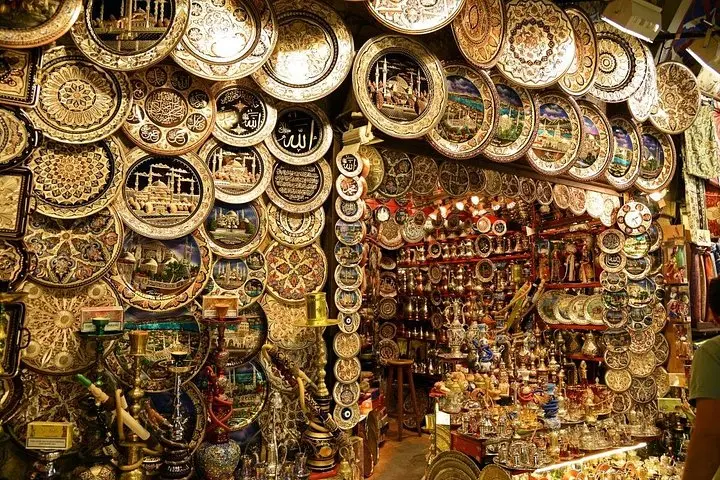
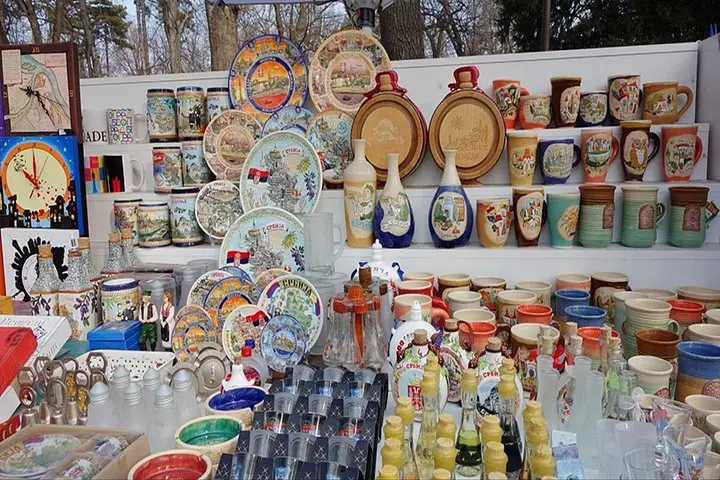
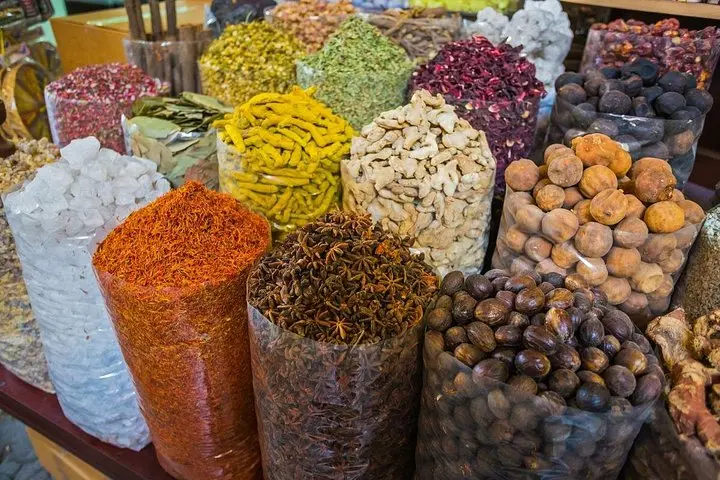
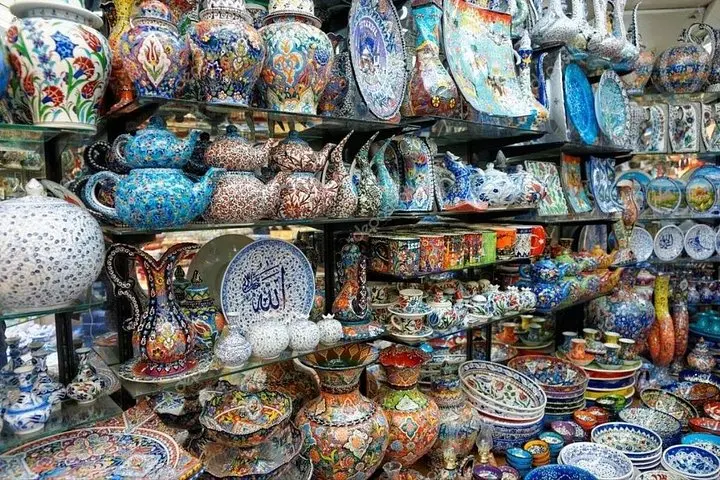
You step off the shaded curb and into the slow current of Luxor’s market streets: sun-bleached stone, the sharp scent of spices, and guide voices sorting bargains from provenance. The day moves like a carefully folded map — from workshop benches where stone and papyrus take shape, to alleyways that hand you jars of perfume and sacks of dried herbs.
You step off the shaded curb and into the slow current of Luxor’s market streets: sun-bleached stone, the sharp scent of spices, and guide voices sorting bargains from provenance. The day moves like a carefully folded map — from workshop benches where stone and papyrus take shape, to alleyways that hand you jars of perfume and sacks of dried herbs.
Luxor sits on the remains of ancient Thebes, a living crossroads between Pharaonic temple complexes and contemporary Nile-side life. The city’s geology—soft sedimentary stone and the river’s ribbon—made it a center for stoneworking and papermaking for millennia; these crafts survive in modern workshops you’ll visit. Culturally, shopping here is as much about exchange as acquisition: artisans still carve, paint and write names in hieroglyphs on papyrus for visitors, while street merchants hock spices and textiles shaped by local patterns.
Practically, expect a relaxed 5-hour private itinerary that blends guided visits to a stone-carving shop, a papyrus demonstration, the fruit and vegetable market, and optional felucca sail. Your guide negotiates language and provenance; you negotiate price and selection. Bring small bills and exact measurements for textiles, wear closed-toe shoes for dusty workshops, and plan purchases into your luggage allowance. Hydrate—Luxor’s sun pushes the pace—and save room for a scent or cartouche that will outlast the trip.
This is a day of tangible connections: craft, commerce, and a river that keeps nudging the city forward.