THE ADVENTURE COLLECTIVE® · Independent discovery and booking for outdoor travel

Drive 90 km from Dunhuang to the storied Jade Gate Pass and explore Han dynasty earthen walls and a small museum. This half-day private tour pairs compact history with desert scenery and easy, short walks.
Drive 90 km from Dunhuang to the storied Jade Gate Pass and explore Han dynasty earthen walls and a small museum. This half-day private tour pairs compact history with desert scenery and easy, short walks.
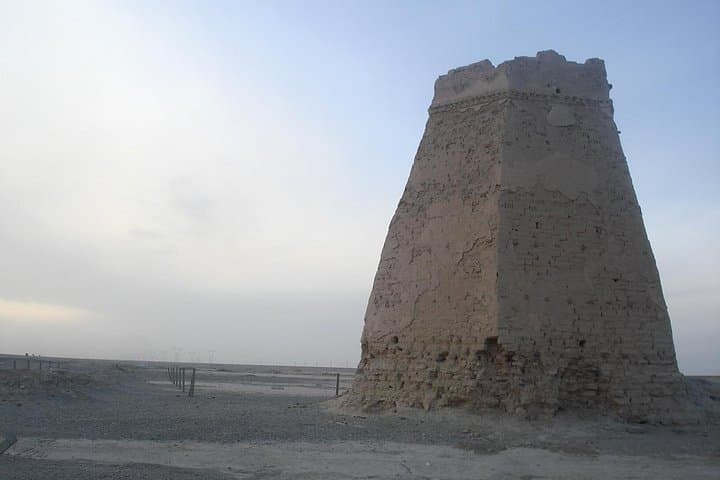
You leave Dunhuang before the heat builds, the highway unfurling like a ribbon across the edge of the Gobi. The vehicle hums along an arid corridor; scrub and wind-polished dunes slide past as the guide points out the line where desert meets ancient stone. At Jade Gate Pass the air feels older—stones and rammed earth rise from the plain and the wind seems to push visitors toward the low, broken silhouette of the Han dynasty wall.
Verified experiences and guided adventures in the surrounding area.
Operated by Silk Road Angel Tours · Dunhuang, Gansu
You leave Dunhuang before the heat builds, the highway unfurling like a ribbon across the edge of the Gobi. The vehicle hums along an arid corridor; scrub and wind-polished dunes slide past as the guide points out the line where desert meets ancient stone. At Jade Gate Pass the air feels older—stones and rammed earth rise from the plain and the wind seems to push visitors toward the low, broken silhouette of the Han dynasty wall.
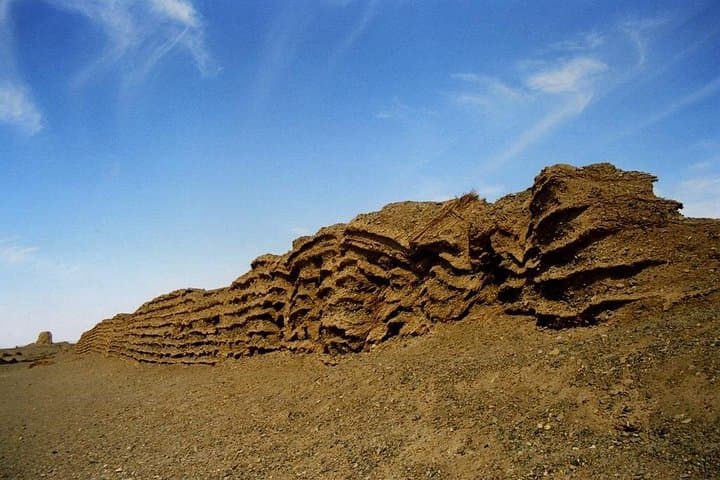
This site marked one of the western gateways of the Silk Road. The Han-era works here were built from local sand, straw and compacted earth rather than the brick of later walls; surviving sections average thin layered strata (about 12–15 cm per layer) and stand from roughly 0.5 to 2 meters where they remain. The on-site museum collects artifacts and offers context about frontier life, military logistics and caravan trade between China and Central Asia.
Geologically, the pass sits where loess plains meet desert dunes; erosion and wind continue to sculpt the fragile earthworks. Culturally the area reflects frontier exchange—languages, goods and ideas passing through this narrow chokepoint.
Practically, expect a comfortable private transfer covering roughly 90 km each way and a mostly flat, short walk around ruins and the museum. Plan for strong sun, gusts and loose footing around collapsed sections. The half-day fits easily into a Dunhuang itinerary and provides a compact, tangible link to the Silk Road’s human and geological story.
The pass is roughly 90 kilometers from central Dunhuang; the private transfer takes about 1–1.5 hours each way depending on traffic.
The tour notes wheelchair accessibility for the vehicle and museum areas, but some outdoor paths and ruin sites are uneven—check with the operator about specific needs.
You’ll see low, rammed-earth wall remnants layered with compacted sand and plant material; heights range from about 0.5 to 2 meters where preserved.
Basic facilities and a small museum restroom are available; bring snacks if you need more substantial food as services are limited at the pass.
Silk Road Angel Tours operates guided outdoor trips and adventures with an emphasis on safety, stewardship, and memorable experiences.
You leave Dunhuang before the heat builds, the highway unfurling like a ribbon across the edge of the Gobi. The vehicle hums along an arid corridor; scrub and wind-polished dunes slide past as the guide points out the line where desert meets ancient stone. At Jade Gate Pass the air feels older—stones and rammed earth rise from the plain and the wind seems to push visitors toward the low, broken silhouette of the Han dynasty wall.
You leave Dunhuang before the heat builds, the highway unfurling like a ribbon across the edge of the Gobi. The vehicle hums along an arid corridor; scrub and wind-polished dunes slide past as the guide points out the line where desert meets ancient stone. At Jade Gate Pass the air feels older—stones and rammed earth rise from the plain and the wind seems to push visitors toward the low, broken silhouette of the Han dynasty wall.
This site marked one of the western gateways of the Silk Road. The Han-era works here were built from local sand, straw and compacted earth rather than the brick of later walls; surviving sections average thin layered strata (about 12–15 cm per layer) and stand from roughly 0.5 to 2 meters where they remain. The on-site museum collects artifacts and offers context about frontier life, military logistics and caravan trade between China and Central Asia.
Geologically, the pass sits where loess plains meet desert dunes; erosion and wind continue to sculpt the fragile earthworks. Culturally the area reflects frontier exchange—languages, goods and ideas passing through this narrow chokepoint.
Practically, expect a comfortable private transfer covering roughly 90 km each way and a mostly flat, short walk around ruins and the museum. Plan for strong sun, gusts and loose footing around collapsed sections. The half-day fits easily into a Dunhuang itinerary and provides a compact, tangible link to the Silk Road’s human and geological story.