THE ADVENTURE COLLECTIVE® · Independent discovery and booking for outdoor travel

Leave Lisbon for a private day in Sintra’s high country: Pena Palace’s colored ramparts, the mystery wells of Quinta da Regaleira and windswept cliffs at Cabo da Roca. This guided day blends romantic architecture, thick forest, and Atlantic panoramas with practical tips for timing and comfort.
Leave Lisbon for a private day in Sintra’s high country: Pena Palace’s colored ramparts, the mystery wells of Quinta da Regaleira and windswept cliffs at Cabo da Roca. This guided day blends romantic architecture, thick forest, and Atlantic panoramas with practical tips for timing and comfort.
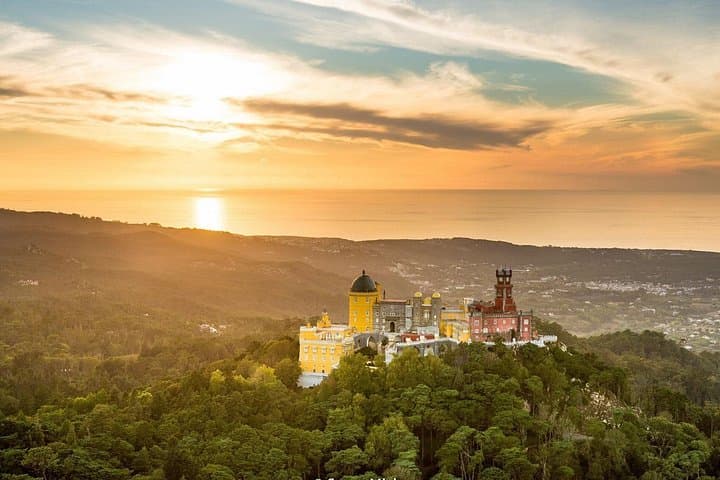
You step out of your Lisbon hotel before the city has fully woken; the van hums north, and the road climbs into a green microclimate where clouds linger like slow-moving guests. Pine and eucalyptus lean over the narrow road, and the land seems to pull you upward—Sintra’s hills have always demanded attention. By the time you crest the ridge, the fairytale colors of Pena Palace flare through the trees: red, yellow, and stone against a wash of sky.
Verified experiences and guided adventures in the surrounding area.
Operated by I GO PORTUGAL · Sintra, Lisbon
You step out of your Lisbon hotel before the city has fully woken; the van hums north, and the road climbs into a green microclimate where clouds linger like slow-moving guests. Pine and eucalyptus lean over the narrow road, and the land seems to pull you upward—Sintra’s hills have always demanded attention. By the time you crest the ridge, the fairytale colors of Pena Palace flare through the trees: red, yellow, and stone against a wash of sky.
This eight‑hour private tour tracks 19th‑century tastes for romantic escape. Sintra became a monarch’s refuge after Portugal’s liberal revolutions; the Pena Palace is the era’s loudest statement, an eccentric collage of Neo‑Gothic turrets, Manueline windows and painted walls perched above crumbling granite outcrops. The gardens below are a work in themselves—serpentine paths, exotic plantings and viewpoints that oversaw an empire that had already begun to shrink.
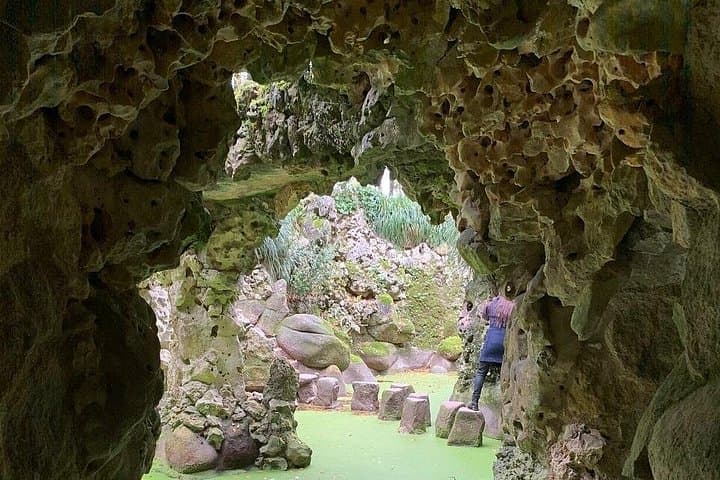
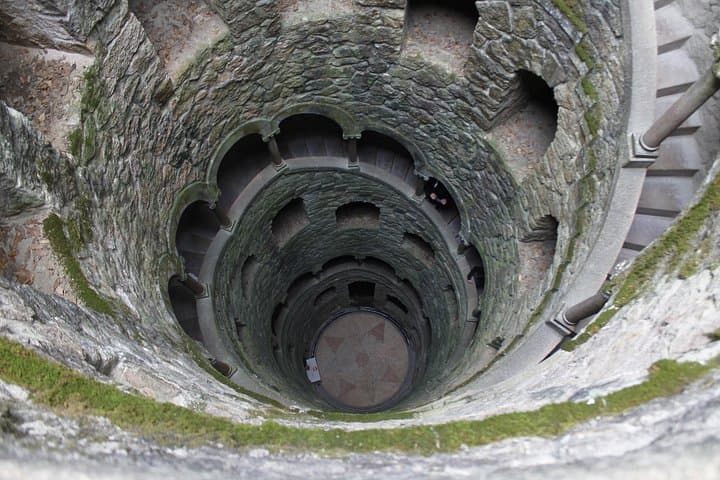
Further down, Quinta da Regaleira trades palace spectacle for mystery—grottos, an initiatic well cut into the earth and a chapel peppered with symbolic carvings. The contrast between the palace rooftops and the secretive vertigo of Regaleira’s wells reflects the twin pulls of display and private ritual that shaped Sintra’s cultural life.
The route typically also takes you to Cabo da Roca, the westernmost point of continental Europe, where the Atlantic throws itself against cliffs and wind argues with your umbrella. On the coast you’ll visit a coastal grotto near Cascais and a coastal village—Azenhas do Mar—where houses pile down toward the sea.
Practical edge: this is a tour of sights rather than long hikes. Expect 2–4 km of walking at Pena with several steep, cobbled sections and 150–300 m of short elevation changes; Regaleira’s grounds involve stone steps and narrow tunnels. The trip is suitable for most fitness levels, but bring sturdy shoes for uneven ground and a light jacket—the hills create their own weather.
Booking notes: the tour includes hotel or port pickup and private guiding; monument admissions are generally not included by default, so confirm at booking if you want tickets purchased in advance. The operator advertises skip‑the‑line privileges and offers flexibility between Regaleira and Monserrate depending on your preference.
Timing tips: arrive at Pena early to avoid crowds, save Regaleira for the quieter, later afternoon slot, and reserve time for the coastal detour when light is best for photos. Carry water, wear layered clothes, and leave space in your day for unplanned viewpoints—Sintra rewards wandering between the monuments as much as the monuments themselves.
Admissions to Pena and Regaleira are typically not included by default—confirm at booking so the operator can purchase or advise on skip‑the‑line options.
Expect 2–4 km of walking across palace grounds with cobbled, uphill sections and several flights of stairs; the day is more sightseeing than a long hike.
This is a private tour so you can ask to substitute Regaleira for Monserrate or adjust timing, subject to availability and minimum group size.
Yes—operators provide infant seats on request and the route suits children, though some sites have steep drops and many steps; supervise young children closely.
For a full refund cancel at least 24 hours before departure; bookings canceled within 24 hours are typically non‑refundable.
Spring and fall offer mild temperatures and fewer crowds; summer is busy and winter can be wet but atmospheric—dress accordingly.
I GO PORTUGAL operates guided outdoor trips and adventures with an emphasis on safety, stewardship, and memorable experiences.

You step out of your Lisbon hotel before the city has fully woken; the van hums north, and the road climbs into a green microclimate where clouds linger like slow-moving guests. Pine and eucalyptus lean over the narrow road, and the land seems to pull you upward—Sintra’s hills have always demanded attention. By the time you crest the ridge, the fairytale colors of Pena Palace flare through the trees: red, yellow, and stone against a wash of sky.
You step out of your Lisbon hotel before the city has fully woken; the van hums north, and the road climbs into a green microclimate where clouds linger like slow-moving guests. Pine and eucalyptus lean over the narrow road, and the land seems to pull you upward—Sintra’s hills have always demanded attention. By the time you crest the ridge, the fairytale colors of Pena Palace flare through the trees: red, yellow, and stone against a wash of sky.
This eight‑hour private tour tracks 19th‑century tastes for romantic escape. Sintra became a monarch’s refuge after Portugal’s liberal revolutions; the Pena Palace is the era’s loudest statement, an eccentric collage of Neo‑Gothic turrets, Manueline windows and painted walls perched above crumbling granite outcrops. The gardens below are a work in themselves—serpentine paths, exotic plantings and viewpoints that oversaw an empire that had already begun to shrink.
Further down, Quinta da Regaleira trades palace spectacle for mystery—grottos, an initiatic well cut into the earth and a chapel peppered with symbolic carvings. The contrast between the palace rooftops and the secretive vertigo of Regaleira’s wells reflects the twin pulls of display and private ritual that shaped Sintra’s cultural life.
The route typically also takes you to Cabo da Roca, the westernmost point of continental Europe, where the Atlantic throws itself against cliffs and wind argues with your umbrella. On the coast you’ll visit a coastal grotto near Cascais and a coastal village—Azenhas do Mar—where houses pile down toward the sea.
Practical edge: this is a tour of sights rather than long hikes. Expect 2–4 km of walking at Pena with several steep, cobbled sections and 150–300 m of short elevation changes; Regaleira’s grounds involve stone steps and narrow tunnels. The trip is suitable for most fitness levels, but bring sturdy shoes for uneven ground and a light jacket—the hills create their own weather.
Booking notes: the tour includes hotel or port pickup and private guiding; monument admissions are generally not included by default, so confirm at booking if you want tickets purchased in advance. The operator advertises skip‑the‑line privileges and offers flexibility between Regaleira and Monserrate depending on your preference.
Timing tips: arrive at Pena early to avoid crowds, save Regaleira for the quieter, later afternoon slot, and reserve time for the coastal detour when light is best for photos. Carry water, wear layered clothes, and leave space in your day for unplanned viewpoints—Sintra rewards wandering between the monuments as much as the monuments themselves.