THE ADVENTURE COLLECTIVE® · Independent discovery and booking for outdoor travel

Leave Cairo for a three-day private journey into Siwa Oasis and the Great Sand Sea. Expect dune bashing, sandboarding, salt-lake swims, hot-spring camps and guided cultural visits to the Oracle temple and Mountain of the Dead.
Leave Cairo for a three-day private journey into Siwa Oasis and the Great Sand Sea. Expect dune bashing, sandboarding, salt-lake swims, hot-spring camps and guided cultural visits to the Oracle temple and Mountain of the Dead.
The wind off the dunes tastes of salt and sun as a 4x4 threads its way into the Great Sand Sea, tires digging and then floating across wide, rolling ridges. By late afternoon the vehicle stops; you climb a soft crest to watch the sun sink behind a ribbon of dunes while a guide pours sweet Siwan tea.
Verified experiences and guided adventures in the surrounding area.
Operated by Egypt Tours Travel · Siwa, Matrouh Governorate
The wind off the dunes tastes of salt and sun as a 4x4 threads its way into the Great Sand Sea, tires digging and then floating across wide, rolling ridges. By late afternoon the vehicle stops; you climb a soft crest to watch the sun sink behind a ribbon of dunes while a guide pours sweet Siwan tea.
Siwa sits on a shallow aquifer carved into limestone, an island of palms and freshwater springs amid a sea of sand. The oasis has been a crossroads since pharaonic times: the Temple of the Oracle of Amun here famously received Alexander the Great. Geology here alternates between stabilized, wind-sculpted dunes and salt-encrusted basins where seasonal lakes reflect the sky. Culturally, Siwa is distinct—Siwan Amazigh traditions, olive groves, and mud-brick architecture shape the pace of the place.
Expect three days of long drives (Cairo–Siwa is roughly 7–8 hours each way with stops), off-road dune runs, sandboarding, a night in a desert hot-spring camp under clear, black skies, and guided visits to Mountain of the Dead, the oracle temple, Fatnis (Fontas) Island and salt lakes where swimming is common.
Practical notes: bring sun protection, ample water, and layered clothing for hot days and chilly nights. Ride in the 4x4 with loose-sole shoes for sand, and time outdoor activities around sunrise or late afternoon to avoid peak heat. Respect local customs—Siwa’s community values modesty and sustainable use of scarce water resources.
Expect approximately 7–8 hours of driving with scheduled rest stops; the itinerary usually splits the trip with meals in Marsa Matruh.
Operators use experienced drivers and provide basic instruction for sandboarding—these activities are generally suitable for beginners but involve bumpy rides and shifting sand.
Yes—many itineraries include a swim in the cold salt lakes; flotation is higher in saline water but avoid shaving beforehand and rinse off after.
Overnight stays are typically in desert camps near hot springs or simple lodges in Siwa; expect basic facilities and communal bathrooms in camp settings.
Egypt Tours Travel operates guided outdoor trips and adventures with an emphasis on safety, stewardship, and memorable experiences.


The wind off the dunes tastes of salt and sun as a 4x4 threads its way into the Great Sand Sea, tires digging and then floating across wide, rolling ridges. By late afternoon the vehicle stops; you climb a soft crest to watch the sun sink behind a ribbon of dunes while a guide pours sweet Siwan tea.
The wind off the dunes tastes of salt and sun as a 4x4 threads its way into the Great Sand Sea, tires digging and then floating across wide, rolling ridges. By late afternoon the vehicle stops; you climb a soft crest to watch the sun sink behind a ribbon of dunes while a guide pours sweet Siwan tea.
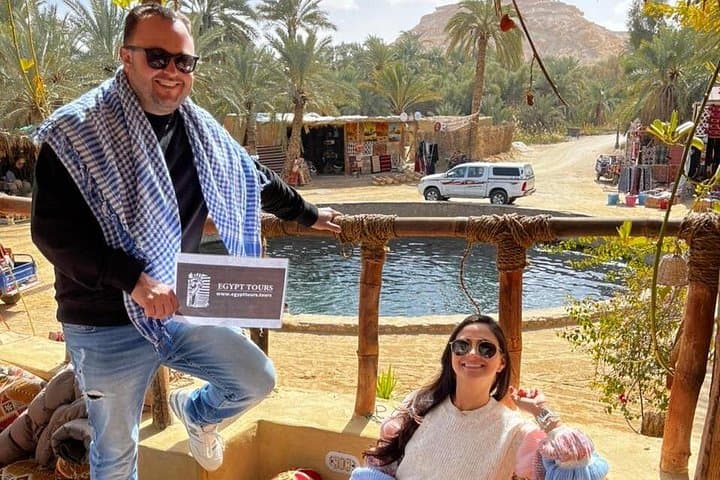
Siwa sits on a shallow aquifer carved into limestone, an island of palms and freshwater springs amid a sea of sand. The oasis has been a crossroads since pharaonic times: the Temple of the Oracle of Amun here famously received Alexander the Great. Geology here alternates between stabilized, wind-sculpted dunes and salt-encrusted basins where seasonal lakes reflect the sky. Culturally, Siwa is distinct—Siwan Amazigh traditions, olive groves, and mud-brick architecture shape the pace of the place.
Expect three days of long drives (Cairo–Siwa is roughly 7–8 hours each way with stops), off-road dune runs, sandboarding, a night in a desert hot-spring camp under clear, black skies, and guided visits to Mountain of the Dead, the oracle temple, Fatnis (Fontas) Island and salt lakes where swimming is common.
Practical notes: bring sun protection, ample water, and layered clothing for hot days and chilly nights. Ride in the 4x4 with loose-sole shoes for sand, and time outdoor activities around sunrise or late afternoon to avoid peak heat. Respect local customs—Siwa’s community values modesty and sustainable use of scarce water resources.