THE ADVENTURE COLLECTIVE® · Independent discovery and booking for outdoor travel

Explore the Smithsonian’s Hall of Fossils, the Hope Diamond, and rare collections with a private, 2-hour expert guide. This focused tour balances big exhibits with behind-the-scenes insight to deepen your understanding of Earth’s history and biodiversity.
Explore the Smithsonian’s Hall of Fossils, the Hope Diamond, and rare collections with a private, 2-hour expert guide. This focused tour balances big exhibits with behind-the-scenes insight to deepen your understanding of Earth’s history and biodiversity.
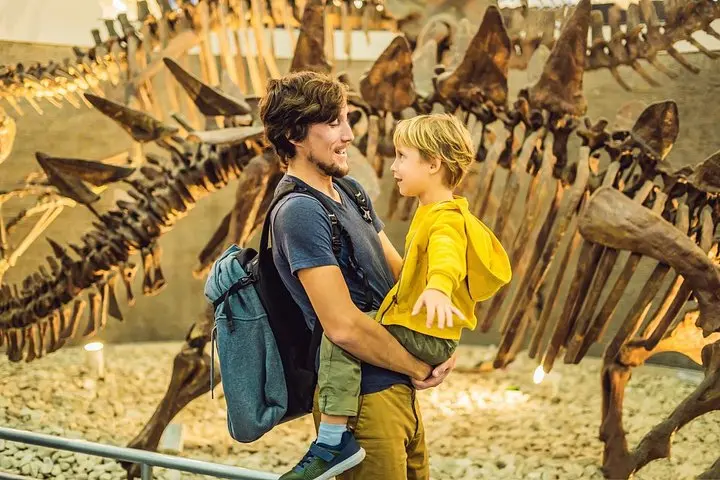
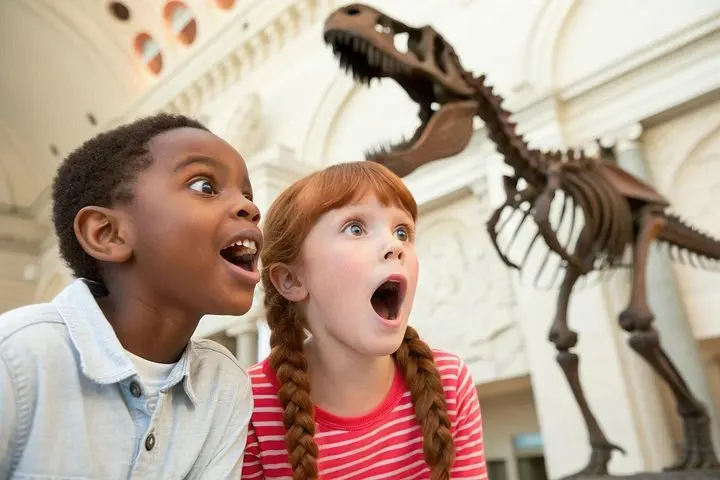
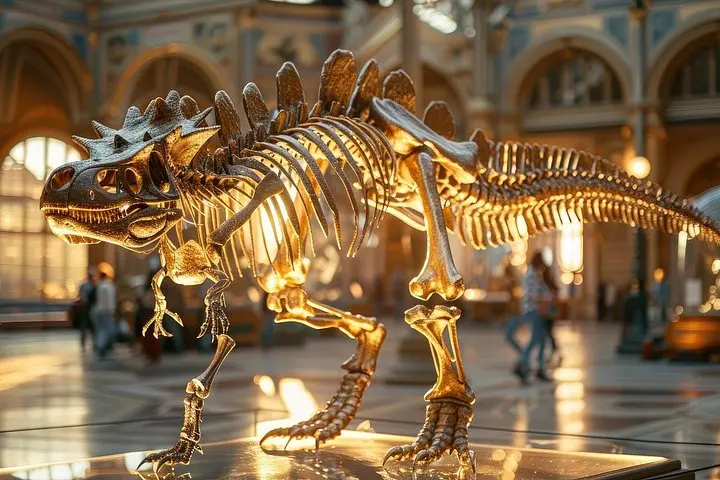
You step off Pennsylvania Avenue into a ceiling that hums with curiosity: glass cases glitter, fossil bones hang like frozen movement, and a guide’s quiet voice pulls a thread through deep time.
Verified experiences and guided adventures in the surrounding area.
Operated by New York City Tours · Washington, DC
You step off Pennsylvania Avenue into a ceiling that hums with curiosity: glass cases glitter, fossil bones hang like frozen movement, and a guide’s quiet voice pulls a thread through deep time.
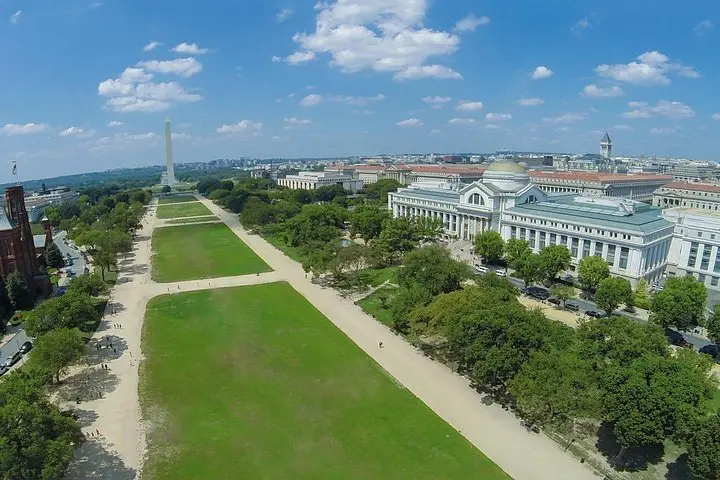
The National Museum of Natural History opened its doors in the early 20th century as part of the Smithsonian Institution’s mission to collect and study the natural world. Its stone halls house geological specimens from ancient oceans, mineral vaults that chart the chemistry of the Earth, and wildlife collections gathered during scientific expeditions. The Hall of Fossils maps life’s long arc with articulated skeletons; the gem galleries center the Hope Diamond, a cultural touchstone with a complex provenance.
Beyond display cases you’ll notice research labs and specimen drawers—working infrastructure that keeps science alive here. The architecture and exhibits reflect changing priorities: public education, colonial-era collecting history, and modern conservation science all intersect under one roof.
Practically, a private two-hour tour tightens the experience: expect focused commentary on fossils, minerals, and biodiversity with time to ask specific questions. Your guide will pace the route to avoid crowds and highlight touchpoints—fossil preparation windows, the ocean hall cast, and lesser-seen collections storage glimpses when accessible.
Plan for security screening and steady walking on polished floors. Photography is generally allowed for personal use; large bags may be checked. For families, the small-group format makes it easy to tailor content to kids or specialists.
This is a museum that insists you look closely—at bones, gems, and the human stories stitched to them—and leaves you better equipped to read the natural world’s long, practical history.
Yes—this private tour includes entry to the museum’s permanent collection; special exhibitions may require separate tickets.
Meet in front of the Waldorf Astoria Washington DC, 1100 Pennsylvania Avenue NW; do not enter the hotel—this is an external meeting point.
Yes—the museum and this tour are wheelchair accessible; notify the operator in advance for any special needs.
Photography for personal use is generally allowed; avoid flash on sensitive specimens and follow any exhibit-specific restrictions.
New York City Tours operates guided outdoor trips and adventures with an emphasis on safety, stewardship, and memorable experiences.
You step off Pennsylvania Avenue into a ceiling that hums with curiosity: glass cases glitter, fossil bones hang like frozen movement, and a guide’s quiet voice pulls a thread through deep time.
You step off Pennsylvania Avenue into a ceiling that hums with curiosity: glass cases glitter, fossil bones hang like frozen movement, and a guide’s quiet voice pulls a thread through deep time.
The National Museum of Natural History opened its doors in the early 20th century as part of the Smithsonian Institution’s mission to collect and study the natural world. Its stone halls house geological specimens from ancient oceans, mineral vaults that chart the chemistry of the Earth, and wildlife collections gathered during scientific expeditions. The Hall of Fossils maps life’s long arc with articulated skeletons; the gem galleries center the Hope Diamond, a cultural touchstone with a complex provenance.
Beyond display cases you’ll notice research labs and specimen drawers—working infrastructure that keeps science alive here. The architecture and exhibits reflect changing priorities: public education, colonial-era collecting history, and modern conservation science all intersect under one roof.
Practically, a private two-hour tour tightens the experience: expect focused commentary on fossils, minerals, and biodiversity with time to ask specific questions. Your guide will pace the route to avoid crowds and highlight touchpoints—fossil preparation windows, the ocean hall cast, and lesser-seen collections storage glimpses when accessible.
Plan for security screening and steady walking on polished floors. Photography is generally allowed for personal use; large bags may be checked. For families, the small-group format makes it easy to tailor content to kids or specialists.
This is a museum that insists you look closely—at bones, gems, and the human stories stitched to them—and leaves you better equipped to read the natural world’s long, practical history.