THE ADVENTURE COLLECTIVE® · Independent discovery and booking for outdoor travel

A two-hour private boat outing from Guayabitos that drops you at small coral islands for guided snorkeling, paddleboarding and short beach explorations. Expect clear water, dense reef life, and possible whale or dolphin sightings in season.
A two-hour private boat outing from Guayabitos that drops you at small coral islands for guided snorkeling, paddleboarding and short beach explorations. Expect clear water, dense reef life, and possible whale or dolphin sightings in season.
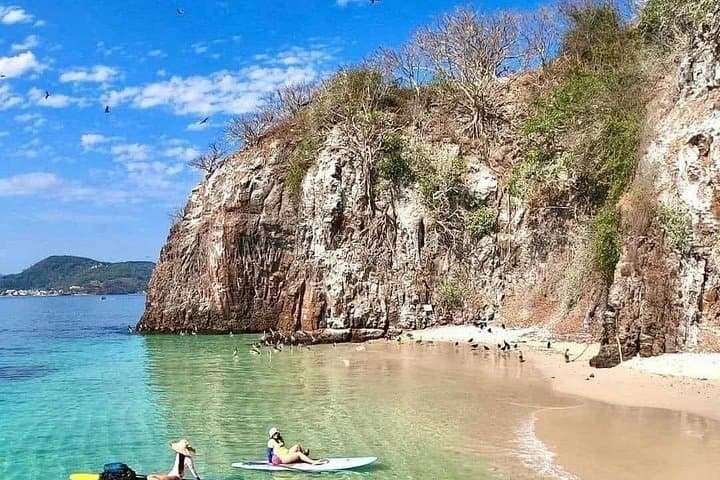
A warm trade wind pushes across the bay as you step from the sand into a small skiff; the shoreline of Guayabitos falls away behind you and two low coral islands rise like green-knuckled shoulders against the Pacific.
Verified experiences and guided adventures in the surrounding area.
Operated by Travel Vallarta · Rincón de Guayabitos, Nayarit
A warm trade wind pushes across the bay as you step from the sand into a small skiff; the shoreline of Guayabitos falls away behind you and two low coral islands rise like green-knuckled shoulders against the Pacific.
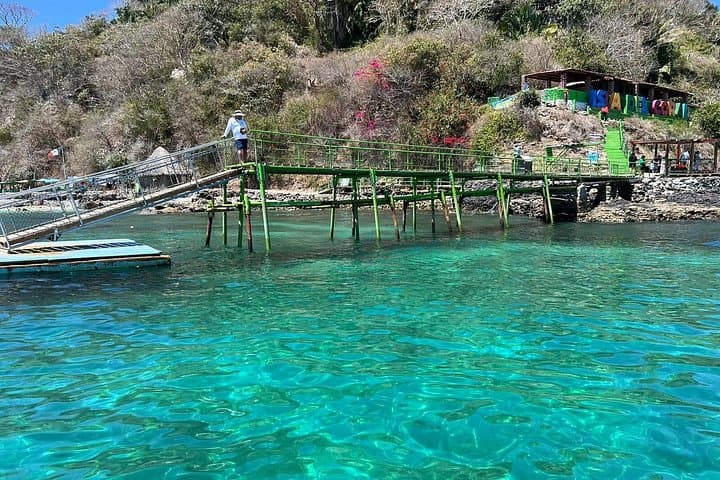
The guide motors a short 10–20 minute run to Crab Island and neighboring islets, where clear blue‑green water reveals garden patches of staghorn and brain coral. These shallow reefs, protected from fishing, host colorful parrotfish, wrasse and shoals of sergeant majors; in winter and spring humpback whales move offshore and dolphins often ride the bow wave.
Guayabitos grew from coastal fishing villages; the islands’ coral formed on a volcanic shelf and has survived local conservation measures and seasonal algal cycles. The local culture is informal—fishermen, small vendors and family-run eateries supply the town with its friendly, low-key feel.
Practically, the trip is a focused two-hour outing: meet at the appointed beach point, board with life jackets and snorkel gear supplied, then swim shallow reef circuits and explore tiny white coral beaches. Expect sun, salt and short swims between the boat and reef; guide briefings cover equalization, reef etiquette and marine life ID. Bring reef‑safe sunscreen, a light coverup, and a waterproof bag for valuables. If you have back problems or limited mobility, plan accordingly—the boat transfer and water entry are moderate. Timing your visit during calmer summer seas or whale months (roughly Dec–Apr for sightings) improves chances for wildlife encounters and glassy snorkeling conditions.
The private outing is two hours and includes a guide, boat transfer, life jackets, snorkeling equipment and a paddle board as listed.
Infants are allowed but required to sit on an adult’s lap; confirm any age-related requirements with the operator before booking.
Dolphins can appear year-round; humpback whale season on the Mexican Pacific is typically December through April, increasing sighting odds then.
It’s not recommended for travelers with serious spinal or back injuries due to boat movements and water entry; check with the operator and a physician if unsure.
Travel Vallarta operates guided outdoor trips and adventures with an emphasis on safety, stewardship, and memorable experiences.


A warm trade wind pushes across the bay as you step from the sand into a small skiff; the shoreline of Guayabitos falls away behind you and two low coral islands rise like green-knuckled shoulders against the Pacific.
A warm trade wind pushes across the bay as you step from the sand into a small skiff; the shoreline of Guayabitos falls away behind you and two low coral islands rise like green-knuckled shoulders against the Pacific.
The guide motors a short 10–20 minute run to Crab Island and neighboring islets, where clear blue‑green water reveals garden patches of staghorn and brain coral. These shallow reefs, protected from fishing, host colorful parrotfish, wrasse and shoals of sergeant majors; in winter and spring humpback whales move offshore and dolphins often ride the bow wave.
Guayabitos grew from coastal fishing villages; the islands’ coral formed on a volcanic shelf and has survived local conservation measures and seasonal algal cycles. The local culture is informal—fishermen, small vendors and family-run eateries supply the town with its friendly, low-key feel.
Practically, the trip is a focused two-hour outing: meet at the appointed beach point, board with life jackets and snorkel gear supplied, then swim shallow reef circuits and explore tiny white coral beaches. Expect sun, salt and short swims between the boat and reef; guide briefings cover equalization, reef etiquette and marine life ID. Bring reef‑safe sunscreen, a light coverup, and a waterproof bag for valuables. If you have back problems or limited mobility, plan accordingly—the boat transfer and water entry are moderate. Timing your visit during calmer summer seas or whale months (roughly Dec–Apr for sightings) improves chances for wildlife encounters and glassy snorkeling conditions.