THE ADVENTURE COLLECTIVE® · Independent discovery and booking for outdoor travel

Slip from a pontoon into crystal waters at Mangel Halto and explore Reef Island's sheltered mangroves on a private three-hour snorkel tour. Expect excellent visibility, close encounters with reef fish, and a relaxed, locally guided experience away from the crowded beaches.
Slip from a pontoon into crystal waters at Mangel Halto and explore Reef Island's sheltered mangroves on a private three-hour snorkel tour. Expect excellent visibility, close encounters with reef fish, and a relaxed, locally guided experience away from the crowded beaches.
A low-slung pontoon eases into a clear pocket of turquoise; salt air sharpens the light and mangrove roots lace the shallows like a living pier. Participants step from the boat into waist-deep water and find themselves face-to-face with parrotfish, trumpetfish, and gardens of hard corals. The reef shelves here are intimate—visibility often exceeds 20 meters—and the mangrove channel around Reef Island offers sheltered paddling between tangled prop roots.
Verified experiences and guided adventures in the surrounding area.
Operated by Nos Isla Private Tours Aruba · Oranjestad, Aruba
A low-slung pontoon eases into a clear pocket of turquoise; salt air sharpens the light and mangrove roots lace the shallows like a living pier. Participants step from the boat into waist-deep water and find themselves face-to-face with parrotfish, trumpetfish, and gardens of hard corals. The reef shelves here are intimate—visibility often exceeds 20 meters—and the mangrove channel around Reef Island offers sheltered paddling between tangled prop roots.
Geologically, Aruba is an uplifted limestone and volcanic outcrop sitting on the Caribbean plate; its southern coastal flats collect seagrass beds and fringing reefs that support juvenile fish and crustaceans. Culturally, this stretch of coast has long been used by local fishers and families, and Mangel Halto remains a local favorite because it’s quieter than the resort beaches to the north. Guides on private tours often share local knowledge—where a cleaning station attracts tangs, or which coves are safe for paddleboarding.
For practical planning: the activity lasts about three hours and requires a moderate level of fitness and basic swimming ability. Wear a rash guard or reef-safe sunscreen, bring water and a hat for the short boat ride, and consider your own mask for the best fit—loaner gear is provided but personal equipment improves fog control. Expect gentle currents near the mangroves; follow your guide’s briefing on marine etiquette and keep a respectful distance from corals and nesting areas. Morning departures generally offer calmer seas and better light for photography, while late afternoons are quieter on the water.
Yes—basic snorkel sets, life jackets, and towels are provided, though many travelers bring their own masks for fit and comfort.
Infants must sit on an adult’s lap; children should be comfortable in water and able to follow guide instructions—confirm exact age recommendations with the operator when booking.
Yes—operators welcome personal snacks and beverages; the tour also supplies a cooler with soft drinks and a local snack box plus one Aruba Ariba cocktail for adults.
The tour can be canceled for bad weather with a full refund if canceled at least 24 hours before departure; guides will advise on sea conditions prior to boarding.
Nos Isla Private Tours Aruba operates guided outdoor trips and adventures with an emphasis on safety, stewardship, and memorable experiences.
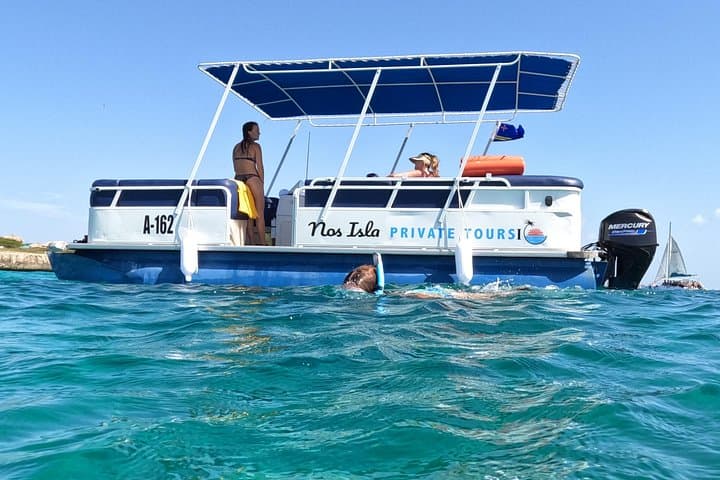
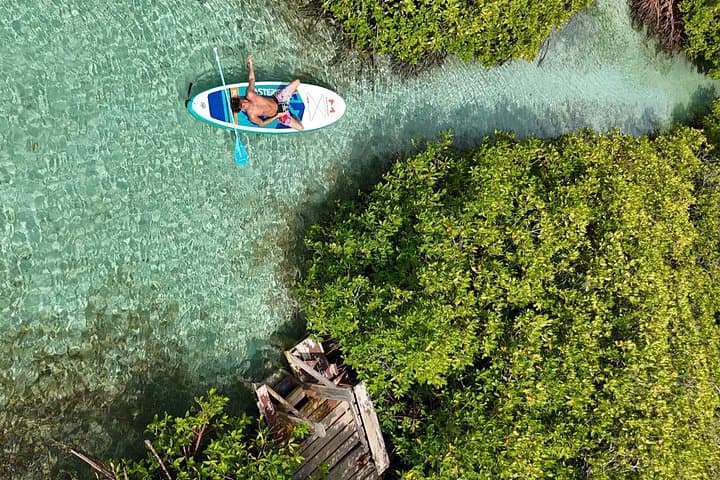
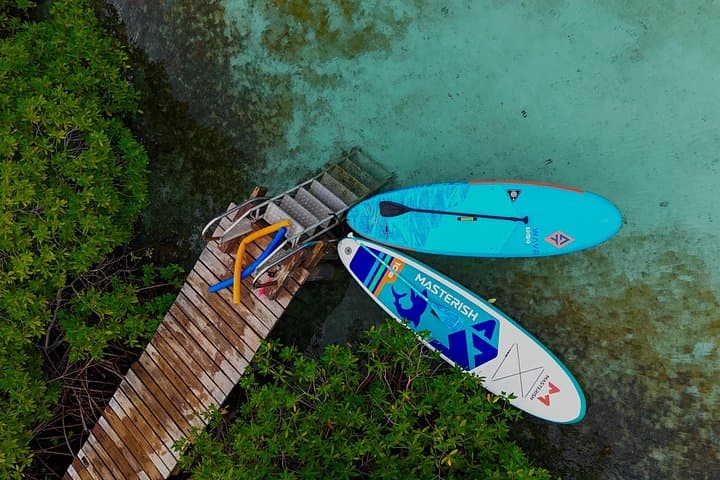
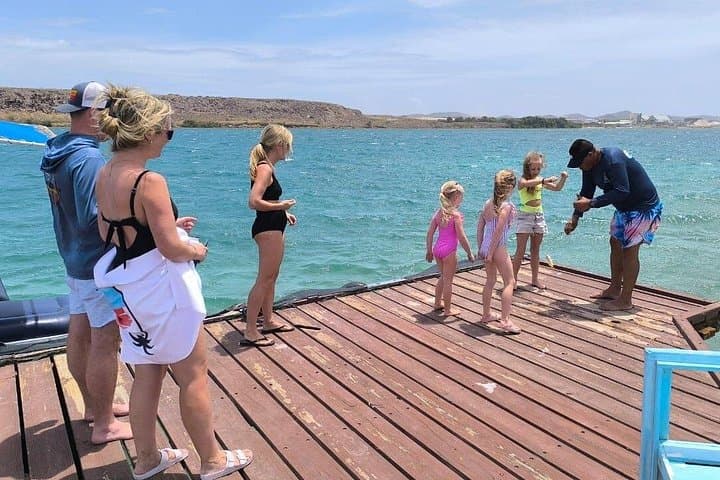
A low-slung pontoon eases into a clear pocket of turquoise; salt air sharpens the light and mangrove roots lace the shallows like a living pier. Participants step from the boat into waist-deep water and find themselves face-to-face with parrotfish, trumpetfish, and gardens of hard corals. The reef shelves here are intimate—visibility often exceeds 20 meters—and the mangrove channel around Reef Island offers sheltered paddling between tangled prop roots.
A low-slung pontoon eases into a clear pocket of turquoise; salt air sharpens the light and mangrove roots lace the shallows like a living pier. Participants step from the boat into waist-deep water and find themselves face-to-face with parrotfish, trumpetfish, and gardens of hard corals. The reef shelves here are intimate—visibility often exceeds 20 meters—and the mangrove channel around Reef Island offers sheltered paddling between tangled prop roots.
Geologically, Aruba is an uplifted limestone and volcanic outcrop sitting on the Caribbean plate; its southern coastal flats collect seagrass beds and fringing reefs that support juvenile fish and crustaceans. Culturally, this stretch of coast has long been used by local fishers and families, and Mangel Halto remains a local favorite because it’s quieter than the resort beaches to the north. Guides on private tours often share local knowledge—where a cleaning station attracts tangs, or which coves are safe for paddleboarding.
For practical planning: the activity lasts about three hours and requires a moderate level of fitness and basic swimming ability. Wear a rash guard or reef-safe sunscreen, bring water and a hat for the short boat ride, and consider your own mask for the best fit—loaner gear is provided but personal equipment improves fog control. Expect gentle currents near the mangroves; follow your guide’s briefing on marine etiquette and keep a respectful distance from corals and nesting areas. Morning departures generally offer calmer seas and better light for photography, while late afternoons are quieter on the water.