THE ADVENTURE COLLECTIVE® · Independent discovery and booking for outdoor travel

On a stony Motobu beach a guide hands you neoprene boots and points to a reef shelf that suddenly falls into deep blue. This private, SSI-led snorkel focuses on comfort, local knowledge, and observing reef life up close.
On a stony Motobu beach a guide hands you neoprene boots and points to a reef shelf that suddenly falls into deep blue. This private, SSI-led snorkel focuses on comfort, local knowledge, and observing reef life up close.
A rack of low clouds breaks over the East China Sea and the water ahead goes from glass-green to a cold, almost electric blue. On a pebbled beach in Motobu, an SSI-trained English-speaking guide clips on a snorkel vest, hands out neoprene boots, and points toward a reef shelf where the ocean suddenly drops away. You step in, the stones cold beneath your feet, and the reef reaches up like an underwater garden — branching corals, anemone stalks, and fish that seem staged for a nature documentary.
Verified experiences and guided adventures in the surrounding area.
Operated by Padaloha · Motobu, Okinawa Prefecture
A rack of low clouds breaks over the East China Sea and the water ahead goes from glass-green to a cold, almost electric blue. On a pebbled beach in Motobu, an SSI-trained English-speaking guide clips on a snorkel vest, hands out neoprene boots, and points toward a reef shelf where the ocean suddenly drops away. You step in, the stones cold beneath your feet, and the reef reaches up like an underwater garden — branching corals, anemone stalks, and fish that seem staged for a nature documentary.
This private, beach-entry snorkel trip is rooted in Okinawa’s layered past. The Motobu area sits on limestone formed from ancient coral plains; tidal platforms and rugged rockpools along the shore are the slow work of reef and sea. The Ryukyu Kingdom once relied on these waters, and many of the islanders’ fishing practices still shape local attitudes toward the reef: respect, restraint, and careful observation.
Geologically, the Motobu coast offers accessible fringing reef and nearby drop-offs where the seabed plummets. Visibility varies with wind and tide, but on calm days you can see the reef architecture — table corals, brain corals, and gardens of soft corals — and the animals that live among them: parrotfish chiseling algae, sea cucumbers grazing in the sand, and the occasional green sea turtle cruising in the blue.
Culturally, the trip is intimate: guides teach basic snorkel technique and reef etiquette, offer local snacks and caffeine-free tea, and tailor the pace to guests. The private format suits families, conservative swimmers, or anyone who prefers a slower rhythm and more direct interpretation of the marine life.
Practical guidance: plan for 60–120 minutes in total, with roughly an hour in the water. Wear a rash guard and reef-safe sunscreen; neoprene boots are provided to protect feet and fragile corals. If you’re not a confident swimmer, request a snorkel vest ahead of time. The meeting point is a local Lawson convenience store; flexible hotel pickups are available across northern Okinawa but expect 30 minutes’ lead time for transfers.
Timing matters: calm mornings mean better visibility and gentler currents; avoid days with strong winds or recent heavy rain. The operator enforces a 24-hour cancellation window for a full refund. The guides discourage guests under 10 and over 60 for safety reasons and ask anyone with recent flights or serious health concerns to consult a doctor.
This is less an adrenaline rush than a taught, deliberate exploration — a lesson in living reef systems and island stewardship. For visitors who want to see Okinawa’s marine life up close without crowds, a guided private snorkel off Motobu is efficient, educational, and quietly unforgettable.
Expect about 45–60 minutes in the water within a 60–120 minute total experience; guides adjust time for fitness and conditions.
Yes—pickup from many hotels in northern Okinawa is available; the operator confirms pickup time and may ask for 30 minutes’ buffer.
This tour is not suitable for children under 10 years old for safety reasons; younger children may be accommodated on private family arrangements—ask the supplier.
No—basic swimming competency is recommended; snorkel vests and flotation devices are available for less confident swimmers.
The tour is canceled in unsafe conditions (wind, heavy rain); cancel at least 24 hours before for a full refund if you need to reschedule.
Neoprene boots and snorkel equipment are provided; wetsuits are available if requested or necessary depending on water temperature.
Padaloha operates guided outdoor trips and adventures with an emphasis on safety, stewardship, and memorable experiences.
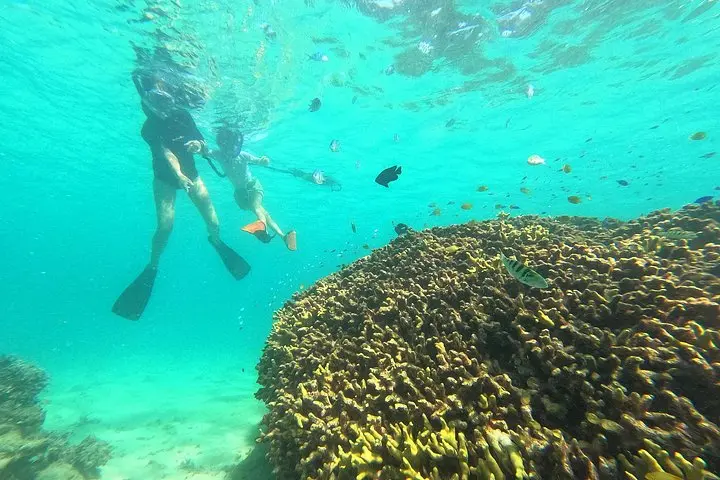
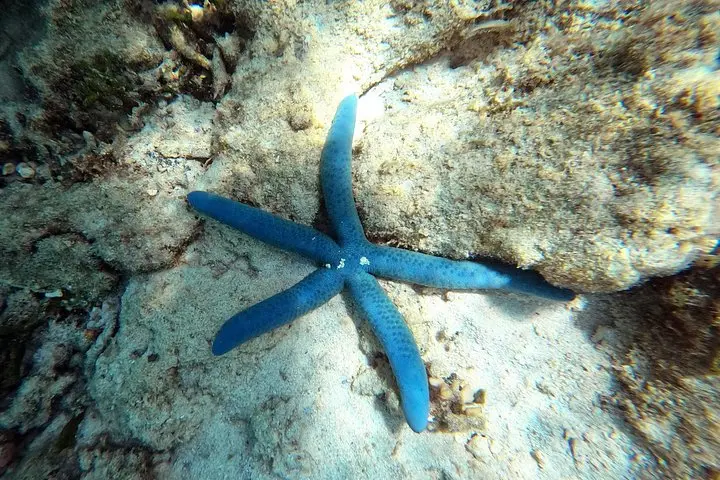
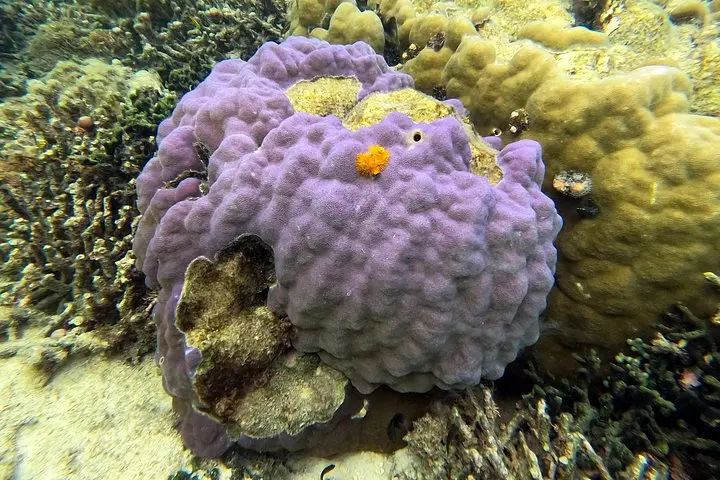
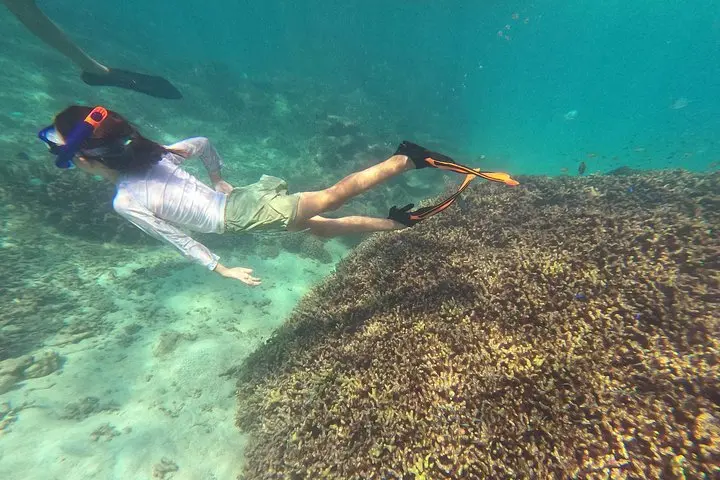
A rack of low clouds breaks over the East China Sea and the water ahead goes from glass-green to a cold, almost electric blue. On a pebbled beach in Motobu, an SSI-trained English-speaking guide clips on a snorkel vest, hands out neoprene boots, and points toward a reef shelf where the ocean suddenly drops away. You step in, the stones cold beneath your feet, and the reef reaches up like an underwater garden — branching corals, anemone stalks, and fish that seem staged for a nature documentary.
A rack of low clouds breaks over the East China Sea and the water ahead goes from glass-green to a cold, almost electric blue. On a pebbled beach in Motobu, an SSI-trained English-speaking guide clips on a snorkel vest, hands out neoprene boots, and points toward a reef shelf where the ocean suddenly drops away. You step in, the stones cold beneath your feet, and the reef reaches up like an underwater garden — branching corals, anemone stalks, and fish that seem staged for a nature documentary.
This private, beach-entry snorkel trip is rooted in Okinawa’s layered past. The Motobu area sits on limestone formed from ancient coral plains; tidal platforms and rugged rockpools along the shore are the slow work of reef and sea. The Ryukyu Kingdom once relied on these waters, and many of the islanders’ fishing practices still shape local attitudes toward the reef: respect, restraint, and careful observation.
Geologically, the Motobu coast offers accessible fringing reef and nearby drop-offs where the seabed plummets. Visibility varies with wind and tide, but on calm days you can see the reef architecture — table corals, brain corals, and gardens of soft corals — and the animals that live among them: parrotfish chiseling algae, sea cucumbers grazing in the sand, and the occasional green sea turtle cruising in the blue.
Culturally, the trip is intimate: guides teach basic snorkel technique and reef etiquette, offer local snacks and caffeine-free tea, and tailor the pace to guests. The private format suits families, conservative swimmers, or anyone who prefers a slower rhythm and more direct interpretation of the marine life.
Practical guidance: plan for 60–120 minutes in total, with roughly an hour in the water. Wear a rash guard and reef-safe sunscreen; neoprene boots are provided to protect feet and fragile corals. If you’re not a confident swimmer, request a snorkel vest ahead of time. The meeting point is a local Lawson convenience store; flexible hotel pickups are available across northern Okinawa but expect 30 minutes’ lead time for transfers.
Timing matters: calm mornings mean better visibility and gentler currents; avoid days with strong winds or recent heavy rain. The operator enforces a 24-hour cancellation window for a full refund. The guides discourage guests under 10 and over 60 for safety reasons and ask anyone with recent flights or serious health concerns to consult a doctor.
This is less an adrenaline rush than a taught, deliberate exploration — a lesson in living reef systems and island stewardship. For visitors who want to see Okinawa’s marine life up close without crowds, a guided private snorkel off Motobu is efficient, educational, and quietly unforgettable.