THE ADVENTURE COLLECTIVE® · Independent discovery and booking for outdoor travel

A private, two-hour guided walk through SoHo, Little Italy and Chinatown that peels back layers of New York City history — from cast-iron architecture to immigrant streetscapes. Expect local stories, quieter side streets, and practical context for navigating Lower Manhattan.
A private, two-hour guided walk through SoHo, Little Italy and Chinatown that peels back layers of New York City history — from cast-iron architecture to immigrant streetscapes. Expect local stories, quieter side streets, and practical context for navigating Lower Manhattan.
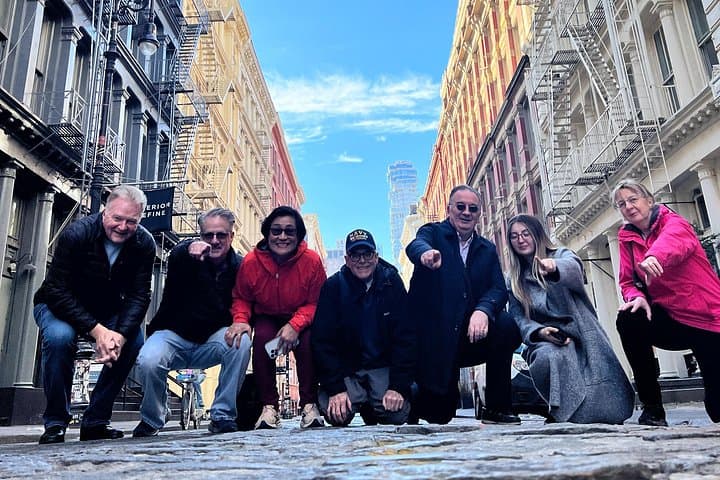
The tour begins at the north end of Spring Street Park, where cast-iron facades catch the morning light and the city’s rhythm settles into a steady, conversational pace. Footsteps on cobblestone give way to wider avenues; one block you’re in an artists’ quarter, the next you’re moving through storefronts that have kept family recipes and storefront signs for generations.
Verified experiences and guided adventures in the surrounding area.
Operated by CityShuffles · New York, NY
The tour begins at the north end of Spring Street Park, where cast-iron facades catch the morning light and the city’s rhythm settles into a steady, conversational pace. Footsteps on cobblestone give way to wider avenues; one block you’re in an artists’ quarter, the next you’re moving through storefronts that have kept family recipes and storefront signs for generations.
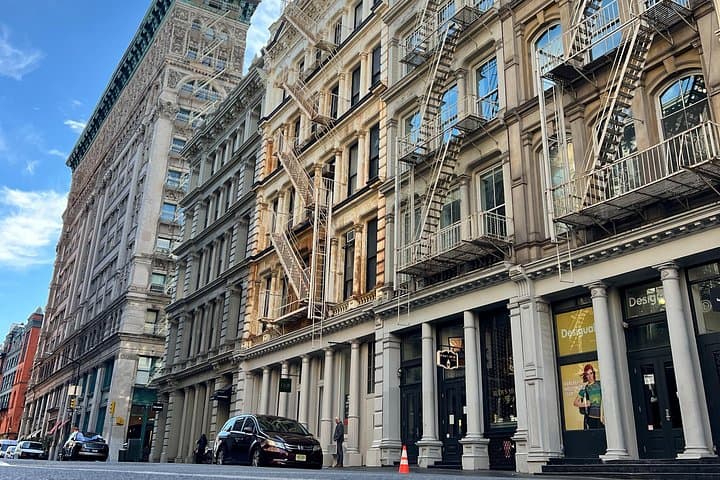
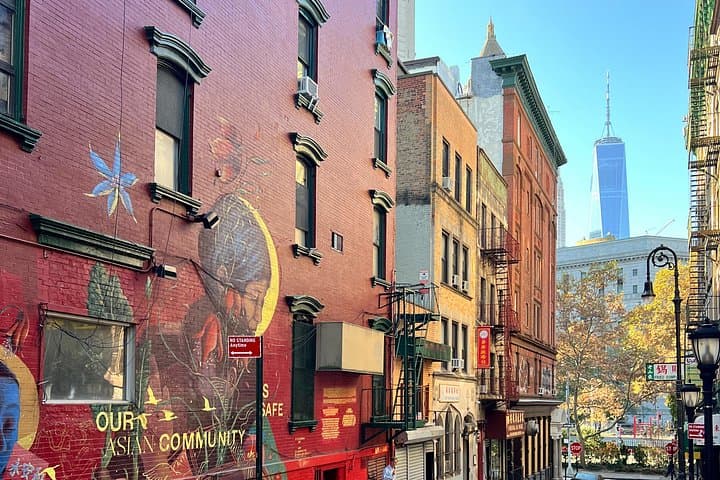
SoHo’s cast-iron district grew during the mid-19th century as industrial lofts; their ornate columns and large windows later became studios and galleries. Little Italy preserves immigrant memory in its narrow streets and long-standing trattorias, while neighboring Chinatown traces waves of migration, commerce, and community resilience that reshaped Lower Manhattan.
While there’s no geology in the park sense, the built environment tells a geological-like story: layered development, adaptive reuse, and the grit of reclaimed neighborhoods. Local insights include early-morning dim sum crowds, late-afternoon fashion-window activity on Broadway, and quieter side streets that reveal original ironwork and tucked-away courtyards.
Practical guidance: the pace is relaxed but expect about 5,000 steps over two hours on mostly flat but uneven sidewalks and occasional cobbles. Bring a refillable water bottle, wear supportive shoes, and time your visit for morning or late afternoon to avoid peak pedestrian congestion. Public transit options are plentiful; meeting point is accessible by multiple subway lines. The tour is private and guided — ideal for travelers who want contextual history and local stories without a food-focus. Keep a transit card handy, a light layer for changing weather, and an openness to alleys where the best stories live.
The private tour lasts about two hours and covers roughly 1.5–2 miles (about 5,000 steps) on mostly flat city sidewalks with some cobblestones.
No — the itinerary focuses on history, architecture, and cultural context; food stops are not included but the guide can point out recommended eateries.
Most streets and sidewalks are accessible, but some cobblestone sections and narrow alleys can be uneven—contact the operator in advance to confirm specific accessibility needs.
Tours are led by a licensed NYC guide with 10+ years experience; confirm language needs when booking as options may vary.
CityShuffles operates guided outdoor trips and adventures with an emphasis on safety, stewardship, and memorable experiences.
The tour begins at the north end of Spring Street Park, where cast-iron facades catch the morning light and the city’s rhythm settles into a steady, conversational pace. Footsteps on cobblestone give way to wider avenues; one block you’re in an artists’ quarter, the next you’re moving through storefronts that have kept family recipes and storefront signs for generations.
The tour begins at the north end of Spring Street Park, where cast-iron facades catch the morning light and the city’s rhythm settles into a steady, conversational pace. Footsteps on cobblestone give way to wider avenues; one block you’re in an artists’ quarter, the next you’re moving through storefronts that have kept family recipes and storefront signs for generations.
SoHo’s cast-iron district grew during the mid-19th century as industrial lofts; their ornate columns and large windows later became studios and galleries. Little Italy preserves immigrant memory in its narrow streets and long-standing trattorias, while neighboring Chinatown traces waves of migration, commerce, and community resilience that reshaped Lower Manhattan.
While there’s no geology in the park sense, the built environment tells a geological-like story: layered development, adaptive reuse, and the grit of reclaimed neighborhoods. Local insights include early-morning dim sum crowds, late-afternoon fashion-window activity on Broadway, and quieter side streets that reveal original ironwork and tucked-away courtyards.
Practical guidance: the pace is relaxed but expect about 5,000 steps over two hours on mostly flat but uneven sidewalks and occasional cobbles. Bring a refillable water bottle, wear supportive shoes, and time your visit for morning or late afternoon to avoid peak pedestrian congestion. Public transit options are plentiful; meeting point is accessible by multiple subway lines. The tour is private and guided — ideal for travelers who want contextual history and local stories without a food-focus. Keep a transit card handy, a light layer for changing weather, and an openness to alleys where the best stories live.