THE ADVENTURE COLLECTIVE® · Independent discovery and booking for outdoor travel

Drive Iceland’s dramatic south coast from Reykjavík to black-sand beaches, thundering waterfalls, and an optional glacier walk on Sólheimajökull. This full-day private tour blends geology, culture, and hands-on ice travel.
Drive Iceland’s dramatic south coast from Reykjavík to black-sand beaches, thundering waterfalls, and an optional glacier walk on Sólheimajökull. This full-day private tour blends geology, culture, and hands-on ice travel.
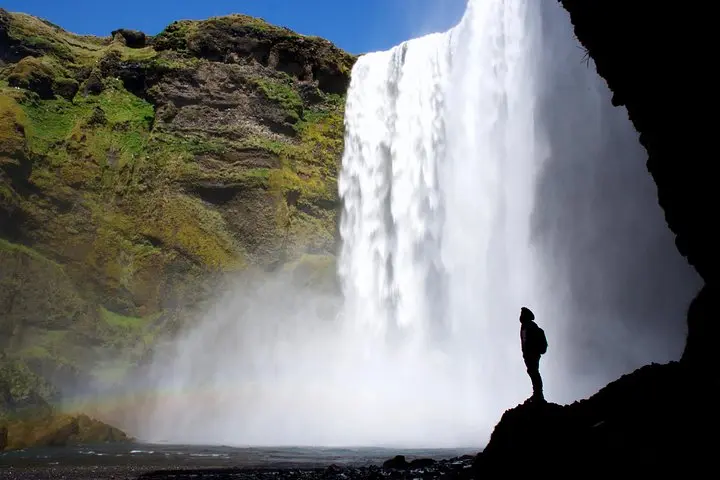
A low light fills the minivan as Reykjavík drops behind you and the south coast opens up: basalt cliffs scarred by lava flows, a ribbon of highway threading past sheep fields, and the sudden thunder of water as Seljalandsfoss announces itself.
Verified experiences and guided adventures in the surrounding area.
Operated by EV Travel · Reykjavík, Capital Region
A low light fills the minivan as Reykjavík drops behind you and the south coast opens up: basalt cliffs scarred by lava flows, a ribbon of highway threading past sheep fields, and the sudden thunder of water as Seljalandsfoss announces itself.
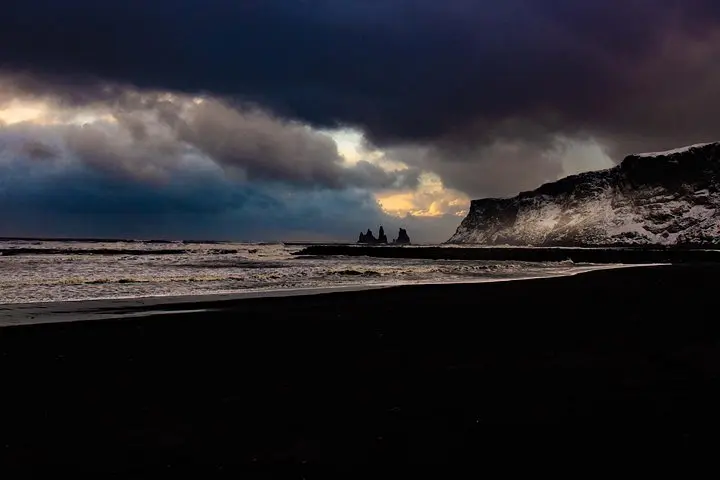
This route follows the old volcanic highways of southern Iceland where glaciers sculpted the valleys and rivers cut channels through successive lava flows. Seljalandsfoss and its tucked-away neighbor Gljúfrabúi show how water carves and reveals rock; Skógafoss falls from cliffs fed by the Eyjafjallajökull catchment, while Reynisfjara’s black sands are ground basalt from ancient eruptions and wave action. Local culture here mixes fishing and sheep farming with a modern tourism economy—stories of trolls at Reynisdrangar and sagas tied to the coastline linger in guide commentary.
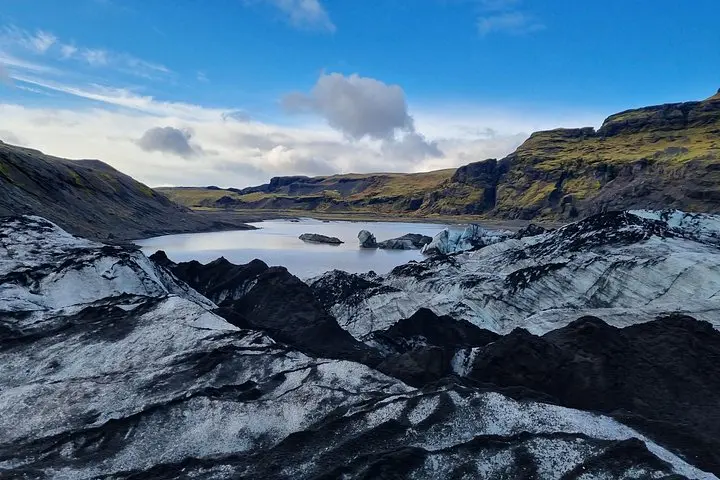
If you choose the optional glacier walk, you'll trade beaches for ice: Sólheimajökull presents blue crevasses, moulins, and sculpted seracs shaped by seasonal melt and volcanic ash layers. Guides issue crampons and helmets and brief you on ice travel and safe footing.
Practical beat: expect a 10–12 hour day with long drives; bring waterproof layers, sturdy boots, and spare dry socks. Weather changes fast—plan photography and short hikes between stops. The tour provides bottled water, snacks, hiking poles, and glacier equipment if booked. Whether you keep to shorelines or step onto the ice, the trip is a compact primer on Iceland’s volcanic-ice interplay and a hands-on way to read this landscape.
The tour runs about 10.5–12 hours with several long transfers; expect multiple 40–120 minute drives between highlights.
Yes — guided glacier walks include equipment and instruction, but participants should be steady on their feet and comfortable on uneven, icy terrain.
Waterproof outer layers, quick-dry clothing, and closed-toe, grippy shoes; avoid walking on the wet black sand near sneaker waves.
Yes — the tour notes stroller access and infant seats are available, though glacier participation is typically limited to older children based on guide safety rules.
EV Travel operates guided outdoor trips and adventures with an emphasis on safety, stewardship, and memorable experiences.
A low light fills the minivan as Reykjavík drops behind you and the south coast opens up: basalt cliffs scarred by lava flows, a ribbon of highway threading past sheep fields, and the sudden thunder of water as Seljalandsfoss announces itself.
A low light fills the minivan as Reykjavík drops behind you and the south coast opens up: basalt cliffs scarred by lava flows, a ribbon of highway threading past sheep fields, and the sudden thunder of water as Seljalandsfoss announces itself.
This route follows the old volcanic highways of southern Iceland where glaciers sculpted the valleys and rivers cut channels through successive lava flows. Seljalandsfoss and its tucked-away neighbor Gljúfrabúi show how water carves and reveals rock; Skógafoss falls from cliffs fed by the Eyjafjallajökull catchment, while Reynisfjara’s black sands are ground basalt from ancient eruptions and wave action. Local culture here mixes fishing and sheep farming with a modern tourism economy—stories of trolls at Reynisdrangar and sagas tied to the coastline linger in guide commentary.
If you choose the optional glacier walk, you'll trade beaches for ice: Sólheimajökull presents blue crevasses, moulins, and sculpted seracs shaped by seasonal melt and volcanic ash layers. Guides issue crampons and helmets and brief you on ice travel and safe footing.
Practical beat: expect a 10–12 hour day with long drives; bring waterproof layers, sturdy boots, and spare dry socks. Weather changes fast—plan photography and short hikes between stops. The tour provides bottled water, snacks, hiking poles, and glacier equipment if booked. Whether you keep to shorelines or step onto the ice, the trip is a compact primer on Iceland’s volcanic-ice interplay and a hands-on way to read this landscape.