THE ADVENTURE COLLECTIVE® · Independent discovery and booking for outdoor travel

A private six-hour boat tour from Pollonia or Platis Gialos that threads Milos’s southern coast: swim at sulfur-cut coves, descend to Tsigrado via wooden ladder and drift through the famed caves of Kleftiko. Perfect for travelers who want secluded beaches and up-close geology in a single day.
A private six-hour boat tour from Pollonia or Platis Gialos that threads Milos’s southern coast: swim at sulfur-cut coves, descend to Tsigrado via wooden ladder and drift through the famed caves of Kleftiko. Perfect for travelers who want secluded beaches and up-close geology in a single day.
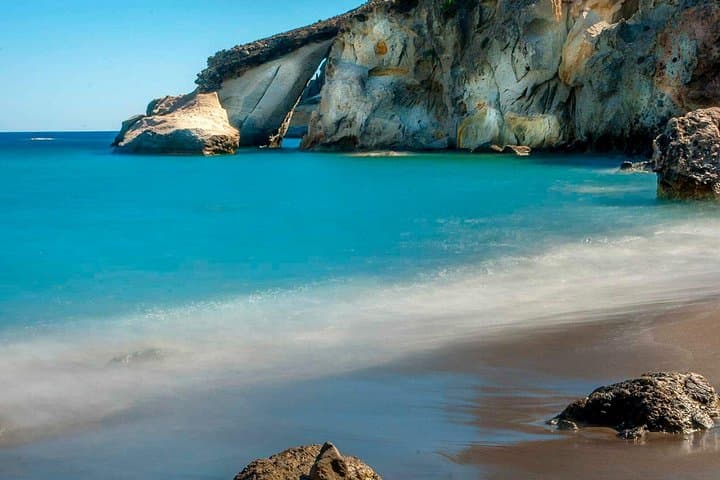
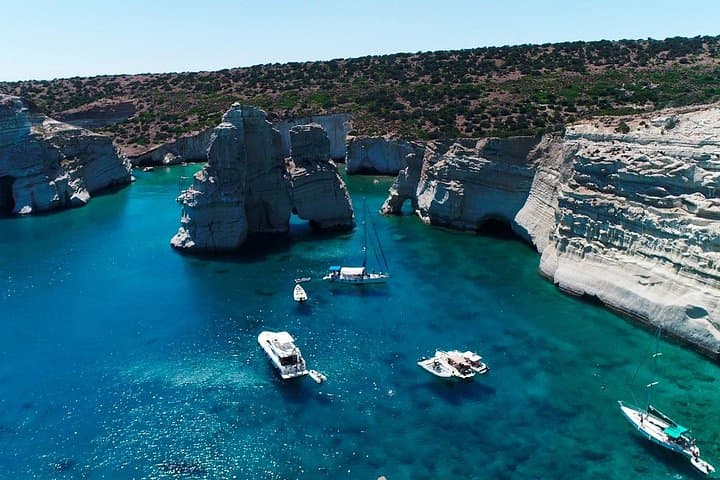
Morning light slices across slate cliffs as a low-slung boat eases away from Pollonia, engines soft, the Aegean daring you to leave the shore. On a six-hour private tour of south Milos, guides thread a route past sea caves, ladder-access beaches and abandoned sulfur mines, pausing to swim, snorkel and explore caverns where light and shadow trade places.
Verified experiences and guided adventures in the surrounding area.
Operated by A La Mer · Adamas, South Aegean
Morning light slices across slate cliffs as a low-slung boat eases away from Pollonia, engines soft, the Aegean daring you to leave the shore. On a six-hour private tour of south Milos, guides thread a route past sea caves, ladder-access beaches and abandoned sulfur mines, pausing to swim, snorkel and explore caverns where light and shadow trade places.
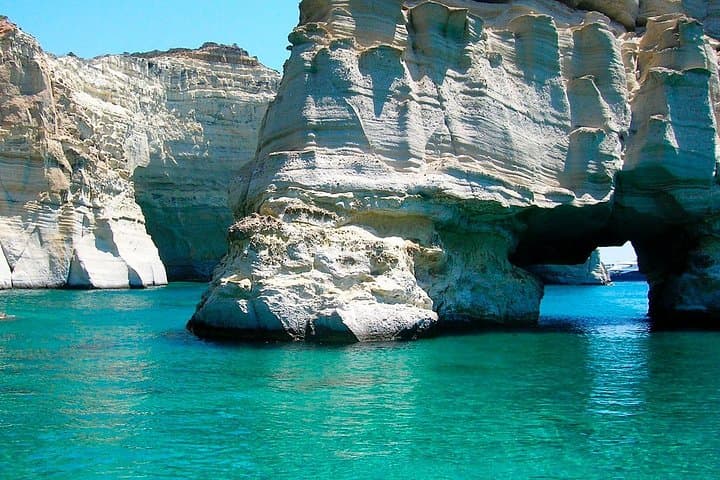
Milos carries layers of history: Neolithic obsidian trade, the discovery of the Venus de Milo, and industrial-era sulfur mines that operated into the mid-20th century. Geology dominates here — volcanic tuff and compacted pumice sculpted by waves into white-gray formations, arches and cave mouths that invite inspection from both surface and snorkel mask.
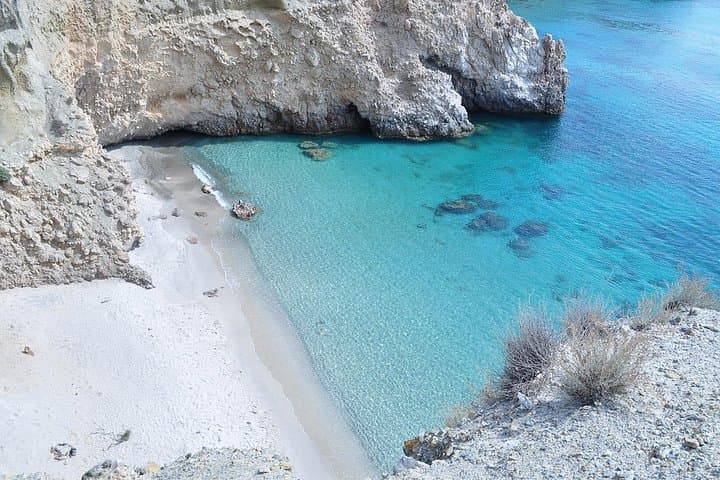
Local life still orients to the sea; small fishing coves and tavernas supply the island’s table and local guides point out features only reachable by boat: the ladder descent at Tsigrado, the sandy remoteness of Gerakas and the shadowed entrances at Kleftiko where boats thread deep into caverns.
Practical guidance: expect a medium-sized private launch, snorkel gear and bottled water provided. Bring reef-safe sunscreen, water shoes for ladder entries, a hat and a light windbreaker — afternoon meltemi winds can shift quickly. Basic swimming ability and comfortable boarding from a low dock are required; the trip is not recommended for pregnant travelers or guests with severe back issues. Morning departures in high season usually deliver calmer seas and clearer visibility. Respect no-anchoring zones, avoid touching fragile rock and marine life, and pack out all trash so these caves stay as wild for next boat.
Yes — snorkel masks and fins are included in the tour, though bringing a personal mask ensures best fit and comfort.
Pickups depart from the dock at Pollonia bay or the Platis Gialos marina; confirm your meeting point with the operator when booking.
Infants must sit on an adult’s lap; the tour is suitable for children who can swim or wear life vests, but discuss ages and needs with your guide.
This tour is not recommended for travelers with spinal injuries or those who are pregnant due to boat movement and ladder entries.
A La Mer operates guided outdoor trips and adventures with an emphasis on safety, stewardship, and memorable experiences.
Morning light slices across slate cliffs as a low-slung boat eases away from Pollonia, engines soft, the Aegean daring you to leave the shore. On a six-hour private tour of south Milos, guides thread a route past sea caves, ladder-access beaches and abandoned sulfur mines, pausing to swim, snorkel and explore caverns where light and shadow trade places.
Morning light slices across slate cliffs as a low-slung boat eases away from Pollonia, engines soft, the Aegean daring you to leave the shore. On a six-hour private tour of south Milos, guides thread a route past sea caves, ladder-access beaches and abandoned sulfur mines, pausing to swim, snorkel and explore caverns where light and shadow trade places.
Milos carries layers of history: Neolithic obsidian trade, the discovery of the Venus de Milo, and industrial-era sulfur mines that operated into the mid-20th century. Geology dominates here — volcanic tuff and compacted pumice sculpted by waves into white-gray formations, arches and cave mouths that invite inspection from both surface and snorkel mask.
Local life still orients to the sea; small fishing coves and tavernas supply the island’s table and local guides point out features only reachable by boat: the ladder descent at Tsigrado, the sandy remoteness of Gerakas and the shadowed entrances at Kleftiko where boats thread deep into caverns.
Practical guidance: expect a medium-sized private launch, snorkel gear and bottled water provided. Bring reef-safe sunscreen, water shoes for ladder entries, a hat and a light windbreaker — afternoon meltemi winds can shift quickly. Basic swimming ability and comfortable boarding from a low dock are required; the trip is not recommended for pregnant travelers or guests with severe back issues. Morning departures in high season usually deliver calmer seas and clearer visibility. Respect no-anchoring zones, avoid touching fragile rock and marine life, and pack out all trash so these caves stay as wild for next boat.