THE ADVENTURE COLLECTIVE® · Independent discovery and booking for outdoor travel

Spend a private day exploring Mauritius’ southwest: a crater stroll at Trou aux Cerfs, the sacred temples of Grand Bassin, scenic views through Black River Gorges, and the surreal seven‑coloured earth and Chamarel Falls. This compact, eight‑hour tour pairs geology, culture and easy walking with hotel pickup and an air‑conditioned vehicle.
Spend a private day exploring Mauritius’ southwest: a crater stroll at Trou aux Cerfs, the sacred temples of Grand Bassin, scenic views through Black River Gorges, and the surreal seven‑coloured earth and Chamarel Falls. This compact, eight‑hour tour pairs geology, culture and easy walking with hotel pickup and an air‑conditioned vehicle.
Morning light spills across the road as the private transfer peels away from the coast and climbs into Mauritius’ central highlands. The first stop is Trou aux Cerfs: a short, easy rim walk around a 600‑metre dormant volcanic crater where the island opens like a map—sugarcane flats giving way to sugar-white beaches on the horizon. The air is cooler here; the driver’s explanation about lava flows and laterite is as practical as the thermos cup you’ll be glad to have.
Verified experiences and guided adventures in the surrounding area.
Operated by Bonjour Mauritius · Chamarel, Rivière Noire
Morning light spills across the road as the private transfer peels away from the coast and climbs into Mauritius’ central highlands. The first stop is Trou aux Cerfs: a short, easy rim walk around a 600‑metre dormant volcanic crater where the island opens like a map—sugarcane flats giving way to sugar-white beaches on the horizon. The air is cooler here; the driver’s explanation about lava flows and laterite is as practical as the thermos cup you’ll be glad to have.
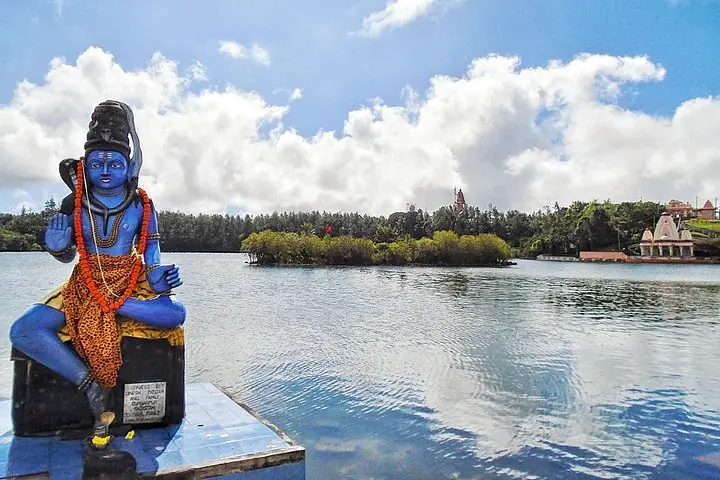
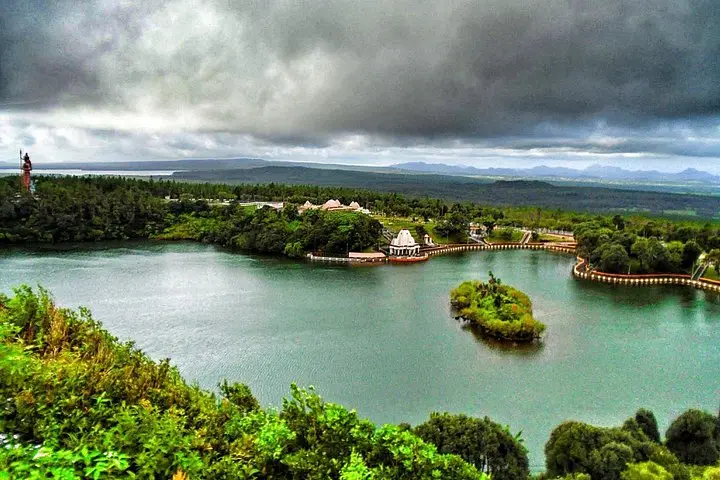
From the crater the route bends south toward Grand Bassin (Ganga Talao), a crater lake that became the island’s primary Hindu pilgrimage site. The massive Shiva statue and temple complex are not only striking photo subjects but a living expression of Mauritius’ cultural mix: Tamil and Bhojpuri prayers, colored flags, and fresh offerings. The tour times around Mahashivaratri (usually Feb–Mar) can alter access, so the operator flags potential restrictions.
The road threads Mare‑aux‑Vacoas—Mauritius’ largest reservoir—then slices into Black River Gorges National Park, a 6,754‑hectare protected area of endemic forests and endemic birds. Expect stop‑and‑look viewpoints: Alexandra Falls and the Plaine Champagne lookout, where green gullies push and pull at your camera lens. Goyaves de chine (local guavas) appear in season on roadside trees; pick a couple, but don’t feed wildlife.
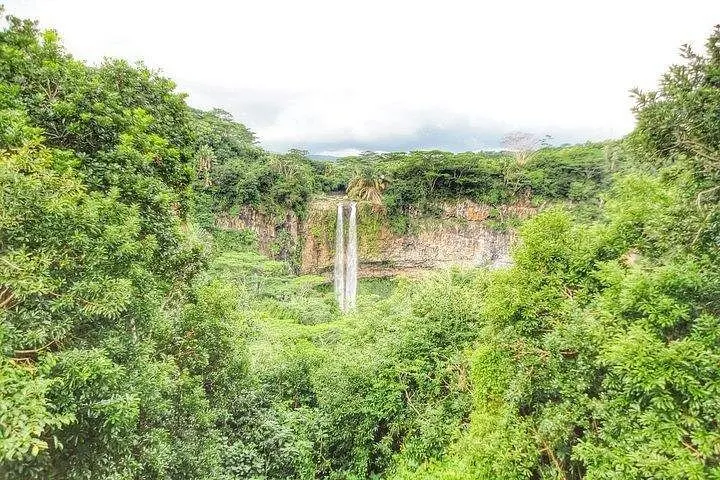
The day culminates in Chamarel. The seven‑coloured dunes are a compact geological oddity—layers of iron and aluminum oxides, baked and sorted by time and rain—an easy boardwalk leads to viewing platforms where the soils ripple in reds, purples, ochres and blues. Nearby, Chamarel Falls plunges roughly 100 metres into a ferned ravine; on overcast or post‑rain days the spray is cinematic. The site also hosts a small tortoise enclosure where Aldabra giants amble under the shade.
Practically: this is a full‑day private tour (about eight hours) with hotel pickup and drop‑off, an air‑conditioned vehicle, and a licensed driver. Footing is generally paved or on short boardwalks; plan for multiple short walks rather than long hikes. Pack sun protection, a light rain layer (afternoon showers occur in summer), and a refillable water bottle. Bring small bills for temple offerings, snacks, and optional entrance fees at Chamarel.
For photographers, golden hour at Trou aux Cerfs or Chamarel’s lookout rewards wide panoramas; waterfalls favor softer light or slight cloud. Culturally curious travelers should respect temple etiquette—cover shoulders and remove shoes where indicated. On balance, the tour is an efficient, low‑stress way to sample Mauritius’ geology, ecology, and living culture in a single day—best taken early to avoid crowds and to catch the roofline of the island in changing light.
The tour runs about eight hours; the driver typically picks up at 9:00 AM from your hotel—confirm exact pickup in advance.
Admission to Chamarel’s seven‑coloured earth and tortoise pens is not included unless specified—bring small cash; your tour listing will note specifics.
Yes—it's family‑friendly; infants can ride in strollers and the walking sections are short, but supervise near lookouts and the waterfall.
Access can be restricted during Mahashivaratri (usually Feb–Mar) because of large pilgrimages—operators will advise alternatives if the site is busy or closed.
This day tour focuses on viewpoints and short walks; visitors who want extended hikes should plan a separate day for park trails with proper gear and permits.
Tipping is discretionary but appreciated; a modest tip for a full‑day private driver is customary if service is good.
Bonjour Mauritius operates guided outdoor trips and adventures with an emphasis on safety, stewardship, and memorable experiences.
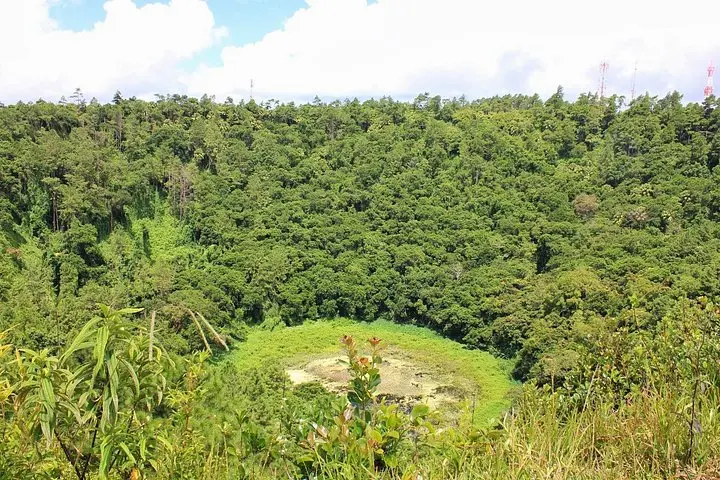
Morning light spills across the road as the private transfer peels away from the coast and climbs into Mauritius’ central highlands. The first stop is Trou aux Cerfs: a short, easy rim walk around a 600‑metre dormant volcanic crater where the island opens like a map—sugarcane flats giving way to sugar-white beaches on the horizon. The air is cooler here; the driver’s explanation about lava flows and laterite is as practical as the thermos cup you’ll be glad to have.
Morning light spills across the road as the private transfer peels away from the coast and climbs into Mauritius’ central highlands. The first stop is Trou aux Cerfs: a short, easy rim walk around a 600‑metre dormant volcanic crater where the island opens like a map—sugarcane flats giving way to sugar-white beaches on the horizon. The air is cooler here; the driver’s explanation about lava flows and laterite is as practical as the thermos cup you’ll be glad to have.
From the crater the route bends south toward Grand Bassin (Ganga Talao), a crater lake that became the island’s primary Hindu pilgrimage site. The massive Shiva statue and temple complex are not only striking photo subjects but a living expression of Mauritius’ cultural mix: Tamil and Bhojpuri prayers, colored flags, and fresh offerings. The tour times around Mahashivaratri (usually Feb–Mar) can alter access, so the operator flags potential restrictions.
The road threads Mare‑aux‑Vacoas—Mauritius’ largest reservoir—then slices into Black River Gorges National Park, a 6,754‑hectare protected area of endemic forests and endemic birds. Expect stop‑and‑look viewpoints: Alexandra Falls and the Plaine Champagne lookout, where green gullies push and pull at your camera lens. Goyaves de chine (local guavas) appear in season on roadside trees; pick a couple, but don’t feed wildlife.
The day culminates in Chamarel. The seven‑coloured dunes are a compact geological oddity—layers of iron and aluminum oxides, baked and sorted by time and rain—an easy boardwalk leads to viewing platforms where the soils ripple in reds, purples, ochres and blues. Nearby, Chamarel Falls plunges roughly 100 metres into a ferned ravine; on overcast or post‑rain days the spray is cinematic. The site also hosts a small tortoise enclosure where Aldabra giants amble under the shade.
Practically: this is a full‑day private tour (about eight hours) with hotel pickup and drop‑off, an air‑conditioned vehicle, and a licensed driver. Footing is generally paved or on short boardwalks; plan for multiple short walks rather than long hikes. Pack sun protection, a light rain layer (afternoon showers occur in summer), and a refillable water bottle. Bring small bills for temple offerings, snacks, and optional entrance fees at Chamarel.
For photographers, golden hour at Trou aux Cerfs or Chamarel’s lookout rewards wide panoramas; waterfalls favor softer light or slight cloud. Culturally curious travelers should respect temple etiquette—cover shoulders and remove shoes where indicated. On balance, the tour is an efficient, low‑stress way to sample Mauritius’ geology, ecology, and living culture in a single day—best taken early to avoid crowds and to catch the roofline of the island in changing light.