THE ADVENTURE COLLECTIVE® · Independent discovery and booking for outdoor travel

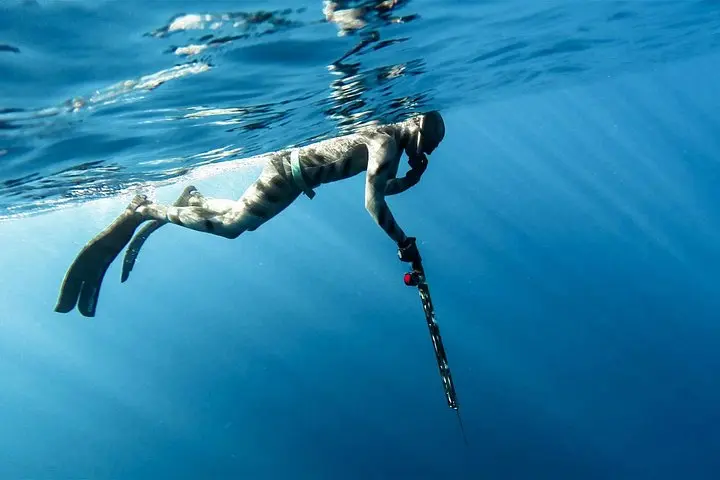
Board a private RIB from Athens and freedive the Saronic Gulf with a certified instructor or an experienced spearfishing buddy. This 4–5 hour private trip blends hands-on training, guided dives and the chance to land fresh Mediterranean fish.
Board a private RIB from Athens and freedive the Saronic Gulf with a certified instructor or an experienced spearfishing buddy. This 4–5 hour private trip blends hands-on training, guided dives and the chance to land fresh Mediterranean fish.
Dawn breaks over the port as you step onto a waiting RIB, salt on the air and the boat breathing beneath you. The captain eases into the Saronic Gulf, and the coastline of Attica slides away: low cliffs, small coves and islands that have fed people since antiquity. The sea here is active—currents shift like a living map, and schools of fish flash under the surface, daring you to read their patterns.
Verified experiences and guided adventures in the surrounding area.
Operated by CRISPY LOCAL MONOPROSOΡΙ Ι.Κ.Ε. · Athens, Attica
Dawn breaks over the port as you step onto a waiting RIB, salt on the air and the boat breathing beneath you. The captain eases into the Saronic Gulf, and the coastline of Attica slides away: low cliffs, small coves and islands that have fed people since antiquity. The sea here is active—currents shift like a living map, and schools of fish flash under the surface, daring you to read their patterns.
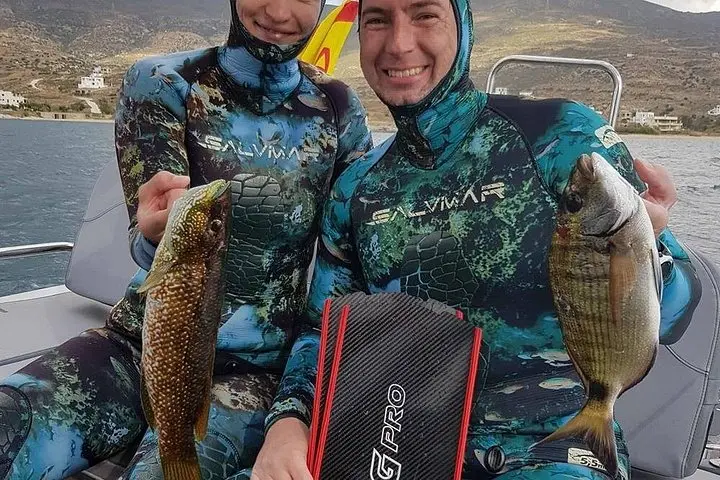
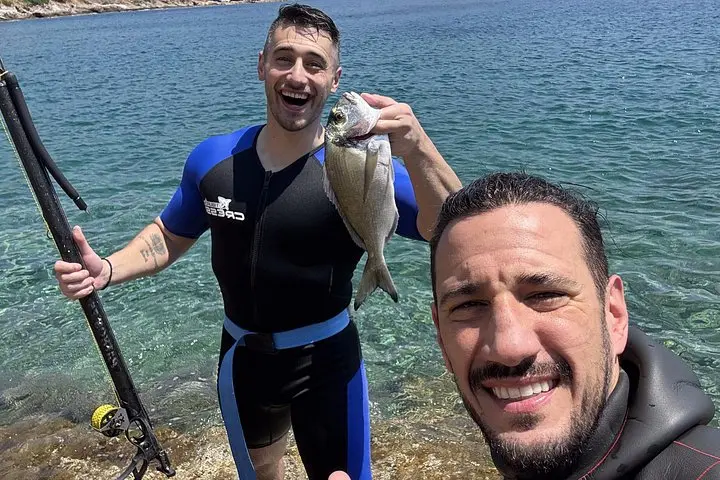
Spearfishing in Greece ties modern sport to an ancient practice: breath-hold hunting recorded in Minoan frescoes and still governed by local custom. Geologically the Saronic basin is a mix of limestone reefs and sandy patches, creating pockets where dentex, sea bream and grouper gather. Culturally, this is small-scale harvest—successful divers often hand their catch to tavernas or take it home to grill.
Expect a safety-first day: a private instructor can run a short classroom on local species, regulations and breath-hold techniques before you enter the water for guided dives. Typical timings include a 30–50 minute transfer from central Athens to the port, two hours of spearfishing on site, and return—about 4–5 hours total.
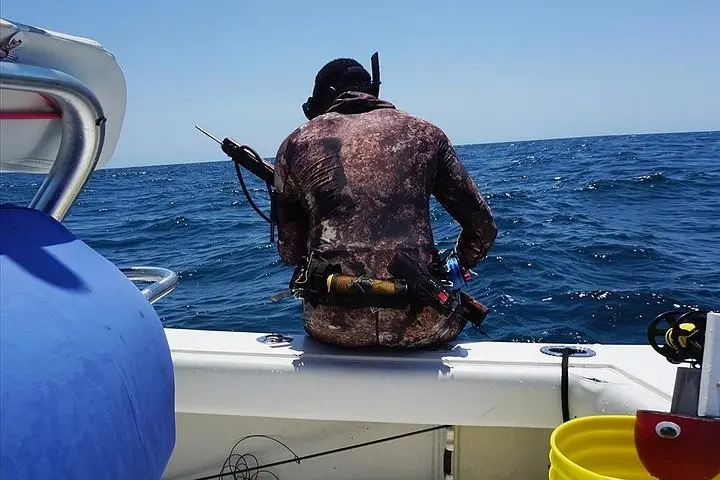
Practical advice: train breath-hold basics beforehand, hydrate, and use a conservative dive profile—never free-dive alone. Wear a 3mm neoprene suit in spring/fall and lighter gear in high summer; the operator supplies snorkeling kit and a speargun, but bring a flagged float, knife and gloves if you own them. Respect catch limits, avoid protected zones, and plan for seasickness if you react to chop. When the engine quiets and you surface with a catch, the sea will feel less like a backdrop and more like a partner in the day’s work.
No—options include a certified instructor who provides both classroom instruction and guided dives; experienced divers can join with a buddy instead.
Yes, the operator supplies spearguns and snorkeling equipment if you don’t bring your own.
Common targets in the Saronic Gulf include sea bream, dentex and occasionally grouper; exact species vary by season and habitat.
Pickup from Athens is included with a 30–50 minute drive to the port where the RIB departs.
CRISPY LOCAL MONOPROSOΡΙ Ι.Κ.Ε. operates guided outdoor trips and adventures with an emphasis on safety, stewardship, and memorable experiences.
Dawn breaks over the port as you step onto a waiting RIB, salt on the air and the boat breathing beneath you. The captain eases into the Saronic Gulf, and the coastline of Attica slides away: low cliffs, small coves and islands that have fed people since antiquity. The sea here is active—currents shift like a living map, and schools of fish flash under the surface, daring you to read their patterns.
Dawn breaks over the port as you step onto a waiting RIB, salt on the air and the boat breathing beneath you. The captain eases into the Saronic Gulf, and the coastline of Attica slides away: low cliffs, small coves and islands that have fed people since antiquity. The sea here is active—currents shift like a living map, and schools of fish flash under the surface, daring you to read their patterns.
Spearfishing in Greece ties modern sport to an ancient practice: breath-hold hunting recorded in Minoan frescoes and still governed by local custom. Geologically the Saronic basin is a mix of limestone reefs and sandy patches, creating pockets where dentex, sea bream and grouper gather. Culturally, this is small-scale harvest—successful divers often hand their catch to tavernas or take it home to grill.
Expect a safety-first day: a private instructor can run a short classroom on local species, regulations and breath-hold techniques before you enter the water for guided dives. Typical timings include a 30–50 minute transfer from central Athens to the port, two hours of spearfishing on site, and return—about 4–5 hours total.
Practical advice: train breath-hold basics beforehand, hydrate, and use a conservative dive profile—never free-dive alone. Wear a 3mm neoprene suit in spring/fall and lighter gear in high summer; the operator supplies snorkeling kit and a speargun, but bring a flagged float, knife and gloves if you own them. Respect catch limits, avoid protected zones, and plan for seasickness if you react to chop. When the engine quiets and you surface with a catch, the sea will feel less like a backdrop and more like a partner in the day’s work.