THE ADVENTURE COLLECTIVE® · Independent discovery and booking for outdoor travel

Skim the Red Sea by private speedboat from Hurghada to watch wild dolphins and snorkel around Abu Monkar Island. This intimate half-day excursion pairs fast transit with shallow coral gardens and quiet island time.
Skim the Red Sea by private speedboat from Hurghada to watch wild dolphins and snorkel around Abu Monkar Island. This intimate half-day excursion pairs fast transit with shallow coral gardens and quiet island time.
The speedboat cuts through glassy Red Sea water at first light, spray drawing transient maps in the air as the coastline of Hurghada slides astern. Dolphins rise and fall like living punctuation—curious, fast, indifferent to spectators—while the crew trims speed to give you a clear view without disturbing their rhythm. Later, Abu Monkar’s shallow turquoise rim appears: a pocket of white sand, coral-studded shallows and the hush that only a low-traffic island can offer.
Verified experiences and guided adventures in the surrounding area.
Operated by Mohamed Rabea · Hurghada, Red Sea Governorate
The speedboat cuts through glassy Red Sea water at first light, spray drawing transient maps in the air as the coastline of Hurghada slides astern. Dolphins rise and fall like living punctuation—curious, fast, indifferent to spectators—while the crew trims speed to give you a clear view without disturbing their rhythm. Later, Abu Monkar’s shallow turquoise rim appears: a pocket of white sand, coral-studded shallows and the hush that only a low-traffic island can offer.
This stretch of the Red Sea is geologically young basalt and limestone fringing a deep rift; coral bommies and drop-offs shelter diverse fish and the occasional sea turtle. Hurghada’s maritime culture has shifted from fishing villages to a hub for dive tourism, but local crews still carry traditional knowledge about seasonal dolphin routes and sheltered snorkeling spots.
Practically, expect a four-hour private outing departing from Hurghada. The trip mixes short, active snorkeling sessions with relaxed island time—bring or borrow a mask and fins, and follow the guide’s briefing to protect fragile corals. Sea conditions can change quickly: morning outings are calmer and better for visibility; afternoons bring thermoclines and more boat traffic.
Useful habits: apply reef-safe sunscreen on shore, secure loose items before speed segments, and listen to the guide when dolphins appear—quiet observation reduces stress on wildlife. For travelers seeking an efficient, high-reward half-day: this is a hands-on Red Sea primer—fast transit, focused wildlife viewing, and two distinct snorkeling environments in one trip.
No—dolphins are wild and sightings depend on season, weather and their natural movements; guides choose known hotspots to maximize chances.
Yes—most operators supply masks, snorkels and fins, but bringing your own mask often improves fit and comfort.
Yes; trips are family-friendly but infants must sit on laps and children should be capable of basic water safety under supervision.
Full refund if cancelled at least 24 hours before departure; check the operator’s policy for last-minute changes and bad-weather decisions.
Mohamed Rabea operates guided outdoor trips and adventures with an emphasis on safety, stewardship, and memorable experiences.
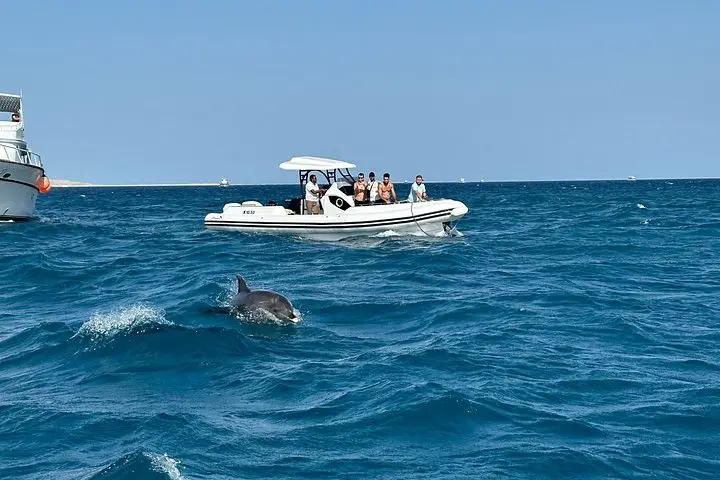
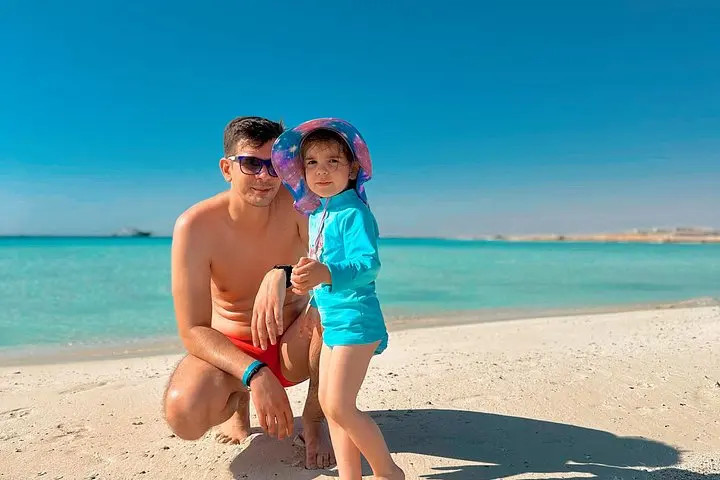
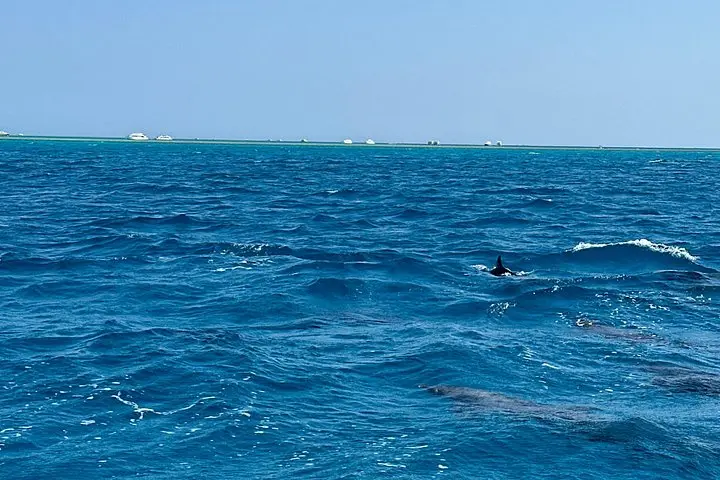
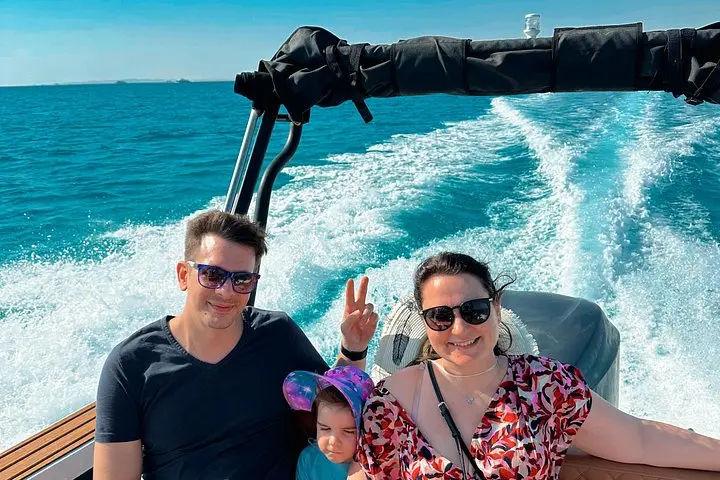
The speedboat cuts through glassy Red Sea water at first light, spray drawing transient maps in the air as the coastline of Hurghada slides astern. Dolphins rise and fall like living punctuation—curious, fast, indifferent to spectators—while the crew trims speed to give you a clear view without disturbing their rhythm. Later, Abu Monkar’s shallow turquoise rim appears: a pocket of white sand, coral-studded shallows and the hush that only a low-traffic island can offer.
The speedboat cuts through glassy Red Sea water at first light, spray drawing transient maps in the air as the coastline of Hurghada slides astern. Dolphins rise and fall like living punctuation—curious, fast, indifferent to spectators—while the crew trims speed to give you a clear view without disturbing their rhythm. Later, Abu Monkar’s shallow turquoise rim appears: a pocket of white sand, coral-studded shallows and the hush that only a low-traffic island can offer.
This stretch of the Red Sea is geologically young basalt and limestone fringing a deep rift; coral bommies and drop-offs shelter diverse fish and the occasional sea turtle. Hurghada’s maritime culture has shifted from fishing villages to a hub for dive tourism, but local crews still carry traditional knowledge about seasonal dolphin routes and sheltered snorkeling spots.
Practically, expect a four-hour private outing departing from Hurghada. The trip mixes short, active snorkeling sessions with relaxed island time—bring or borrow a mask and fins, and follow the guide’s briefing to protect fragile corals. Sea conditions can change quickly: morning outings are calmer and better for visibility; afternoons bring thermoclines and more boat traffic.
Useful habits: apply reef-safe sunscreen on shore, secure loose items before speed segments, and listen to the guide when dolphins appear—quiet observation reduces stress on wildlife. For travelers seeking an efficient, high-reward half-day: this is a hands-on Red Sea primer—fast transit, focused wildlife viewing, and two distinct snorkeling environments in one trip.