THE ADVENTURE COLLECTIVE® · Independent discovery and booking for outdoor travel

Leave the crowds behind on a private speedboat to Dolphin House, where HEPCA-approved guidelines let you snorkel near wild dolphins and pristine reefs. This four-hour outing from Hurghada balances excitement with ethical wildlife practices—ideal for families and ocean lovers.
Leave the crowds behind on a private speedboat to Dolphin House, where HEPCA-approved guidelines let you snorkel near wild dolphins and pristine reefs. This four-hour outing from Hurghada balances excitement with ethical wildlife practices—ideal for families and ocean lovers.
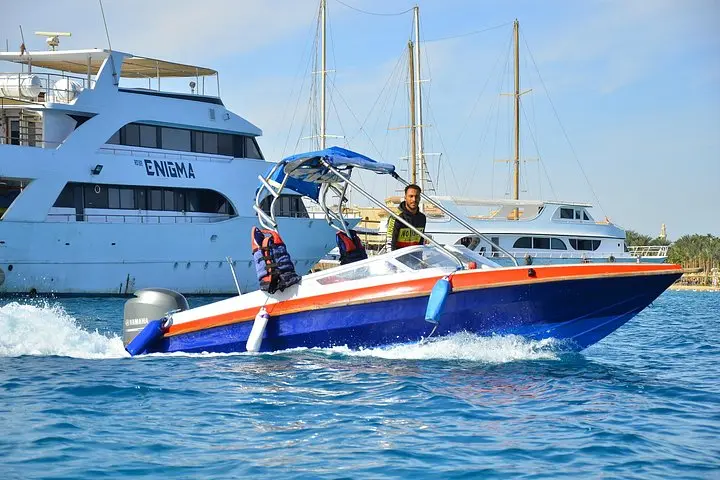
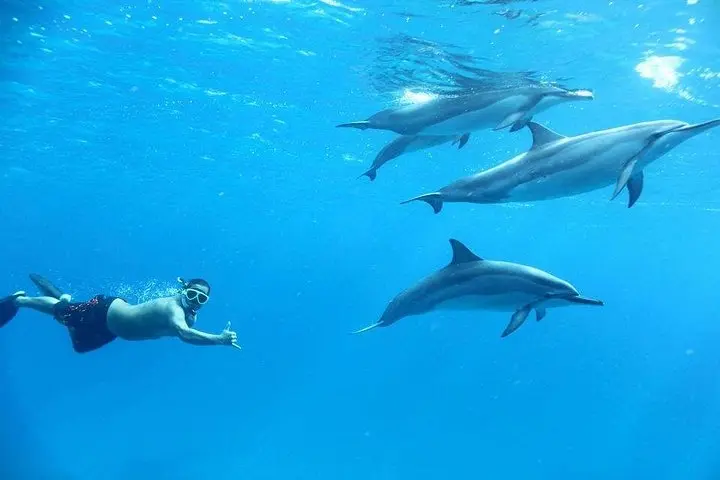
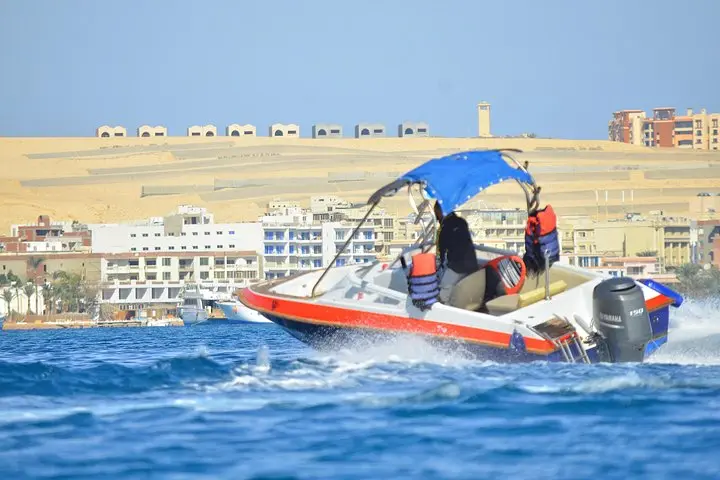
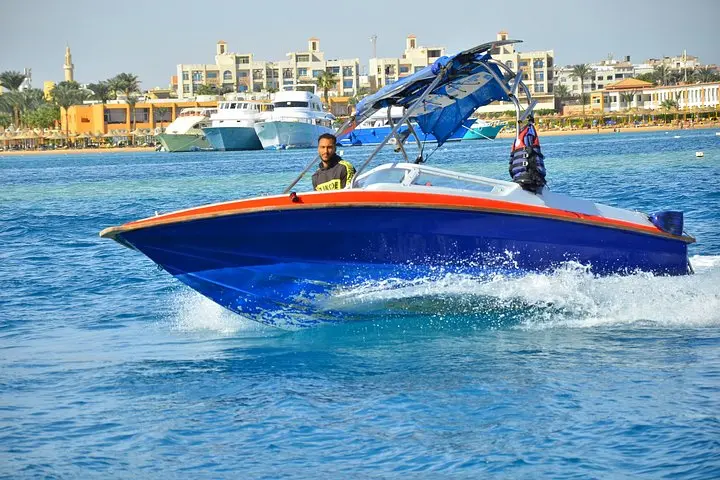
The engine thumps beneath your feet and the shoreline of Hurghada falls away into a wide, sun-glazed horizon. In forty-five minutes the marina's geometry—rows of hotels, a strip of palm trees—shrinks to a ribbon, and the Red Sea opens into blue so clear you can read the shapes of the reef before you dive. At Dolphin House the water seems to wait; dolphins slip through it like practiced silencers, curious but free.
Verified experiences and guided adventures in the surrounding area.
Operated by Your Tours Guide · Hurghada, Red Sea Governorate
The engine thumps beneath your feet and the shoreline of Hurghada falls away into a wide, sun-glazed horizon. In forty-five minutes the marina's geometry—rows of hotels, a strip of palm trees—shrinks to a ribbon, and the Red Sea opens into blue so clear you can read the shapes of the reef before you dive. At Dolphin House the water seems to wait; dolphins slip through it like practiced silencers, curious but free.
Dolphin House, a shallow reef southeast of Hurghada and close to the El Gouna marine corridor, has long drawn small-boat expeditions seeking wild encounters. Local fishermen historically navigated these same channels; today eco-groups like HEPCA regulate visits to prevent crowding and disturbance. Geologically, the Red Sea's reefs are young—raised fault-block margins and offshore fringing reefs built on volcanic and carbonate foundations—so coral gardens here sit on sharp ribs of limestone and basalt, packed with branching corals, brain coral mounds, and coral thickets that host colorful reef fish, rays, and morays.
Culturally the trip threads modern tourism with Bedouin coastal heritage: crews are often local, steeped in knowledge about tide lines, seasonal currents, and which coves shelter turtles. That human knowledge, paired with HEPCA's codes—no chasing or feeding, minimal engine idling near animals—keeps the dolphins wild and the experience genuine.
Practical guide: the tour runs about four hours from hotel pickup, typically a 30–45 minute transfer to the marina + 45 minutes by speedboat to Dolphin House, where you’ll spend roughly two hours snorkeling. The reef swims are shallow and suitable for snorkelers with basic swimming ability; visibility is commonly 15–30 meters in calm conditions. Expect choppy water en route on windier days; the crew will brief you on safe approaches and buddy-system snorkeling.
Pack reef-safe sunscreen, a lightweight long-sleeve rashguard for sun protection and to reduce reef contact, and a waterproof camera with a wide-angle lens. Hydrate before boarding and consider motion-sickness prevention if you’re prone to seasickness—the ride is fast and exposed.
Logistics: private speedboat means a smaller group and flexible pacing—an advantage for ethical dolphin watching. Hotel pickup is available; confirm room number and mobile contact ahead of time. Follow the guide’s instructions during dolphin encounters: maintain distance, limit swim time near the animals, and leave the marine lens focused on observation rather than interaction.
In short, this is a fast, respectful way to meet Red Sea dolphins and explore protected reefs—an encounter balanced between thrill and responsibility.
Approximately 45 minutes from the marina by speedboat, depending on sea conditions.
Dolphins are common at Dolphin House but wild animals are unpredictable; the private format increases chances while following HEPCA protocols.
Yes—snorkeling equipment and a guide are included, along with basic safety briefing.
Yes—families are welcome; infant seats and service animals are accommodated, though children should be comfortable in the water.
Full refund if you cancel at least 24 hours before departure; no refund within 24 hours.
Operators follow HEPCA guidelines: no feeding, controlled approach distances, limited time near dolphins, and trained guides to minimize reef contact.
Your Tours Guide operates guided outdoor trips and adventures with an emphasis on safety, stewardship, and memorable experiences.
The engine thumps beneath your feet and the shoreline of Hurghada falls away into a wide, sun-glazed horizon. In forty-five minutes the marina's geometry—rows of hotels, a strip of palm trees—shrinks to a ribbon, and the Red Sea opens into blue so clear you can read the shapes of the reef before you dive. At Dolphin House the water seems to wait; dolphins slip through it like practiced silencers, curious but free.
The engine thumps beneath your feet and the shoreline of Hurghada falls away into a wide, sun-glazed horizon. In forty-five minutes the marina's geometry—rows of hotels, a strip of palm trees—shrinks to a ribbon, and the Red Sea opens into blue so clear you can read the shapes of the reef before you dive. At Dolphin House the water seems to wait; dolphins slip through it like practiced silencers, curious but free.
Dolphin House, a shallow reef southeast of Hurghada and close to the El Gouna marine corridor, has long drawn small-boat expeditions seeking wild encounters. Local fishermen historically navigated these same channels; today eco-groups like HEPCA regulate visits to prevent crowding and disturbance. Geologically, the Red Sea's reefs are young—raised fault-block margins and offshore fringing reefs built on volcanic and carbonate foundations—so coral gardens here sit on sharp ribs of limestone and basalt, packed with branching corals, brain coral mounds, and coral thickets that host colorful reef fish, rays, and morays.
Culturally the trip threads modern tourism with Bedouin coastal heritage: crews are often local, steeped in knowledge about tide lines, seasonal currents, and which coves shelter turtles. That human knowledge, paired with HEPCA's codes—no chasing or feeding, minimal engine idling near animals—keeps the dolphins wild and the experience genuine.
Practical guide: the tour runs about four hours from hotel pickup, typically a 30–45 minute transfer to the marina + 45 minutes by speedboat to Dolphin House, where you’ll spend roughly two hours snorkeling. The reef swims are shallow and suitable for snorkelers with basic swimming ability; visibility is commonly 15–30 meters in calm conditions. Expect choppy water en route on windier days; the crew will brief you on safe approaches and buddy-system snorkeling.
Pack reef-safe sunscreen, a lightweight long-sleeve rashguard for sun protection and to reduce reef contact, and a waterproof camera with a wide-angle lens. Hydrate before boarding and consider motion-sickness prevention if you’re prone to seasickness—the ride is fast and exposed.
Logistics: private speedboat means a smaller group and flexible pacing—an advantage for ethical dolphin watching. Hotel pickup is available; confirm room number and mobile contact ahead of time. Follow the guide’s instructions during dolphin encounters: maintain distance, limit swim time near the animals, and leave the marine lens focused on observation rather than interaction.
In short, this is a fast, respectful way to meet Red Sea dolphins and explore protected reefs—an encounter balanced between thrill and responsibility.