THE ADVENTURE COLLECTIVE® · Independent discovery and booking for outdoor travel

Cut across Mumbai Harbor by private speedboat to Elephanta Island for a guided visit to the UNESCO rock-cut caves. This brisk outing combines skyline views, possible dolphin sightings, and hands-on history with efficient transfers from the Gateway of India.
Cut across Mumbai Harbor by private speedboat to Elephanta Island for a guided visit to the UNESCO rock-cut caves. This brisk outing combines skyline views, possible dolphin sightings, and hands-on history with efficient transfers from the Gateway of India.
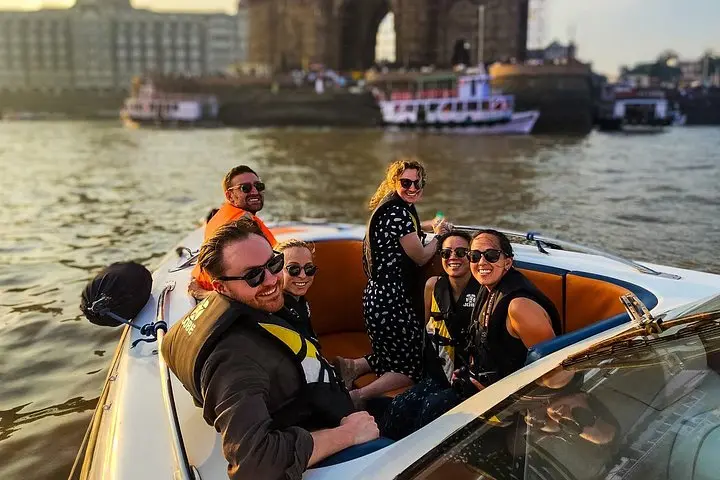
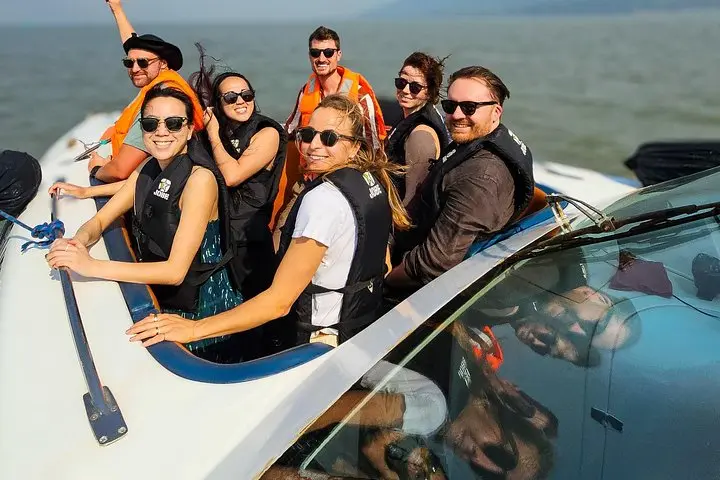
The tide slaps the hull as the speedboat peels away from the Gateway of India, Mumbai's skyline shrinking into a jagged horizon. Sea spray tastes of salt and diesel; gulls wheel, curious. In twenty minutes the city noise blurs into the hush of Elephanta Bay and the island's stout basalt cliffs rise up, gullied faces and green scrub framing ancient rock-cut entrances.
Verified experiences and guided adventures in the surrounding area.
Operated by Oyster Sailing · Mumbai, Maharashtra
The tide slaps the hull as the speedboat peels away from the Gateway of India, Mumbai's skyline shrinking into a jagged horizon. Sea spray tastes of salt and diesel; gulls wheel, curious. In twenty minutes the city noise blurs into the hush of Elephanta Bay and the island's stout basalt cliffs rise up, gullied faces and green scrub framing ancient rock-cut entrances.
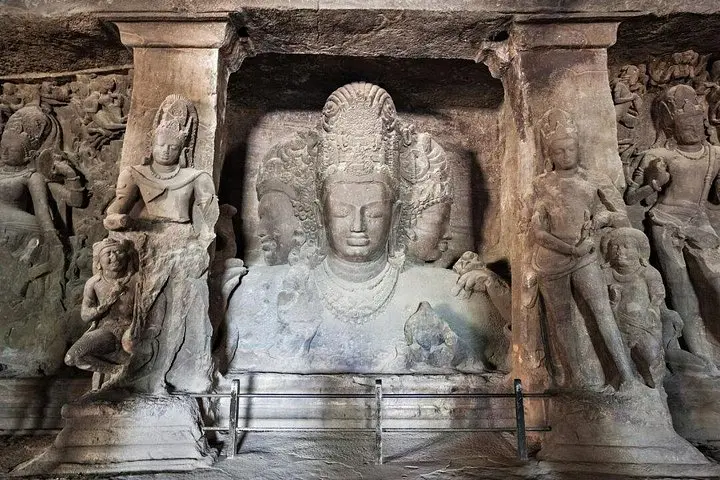
Carved between the 5th and 8th centuries, the Elephanta Caves are a UNESCO site devoted to Shiva. The island is volcanic in origin—hardened lava formed the canvas for large-scale sculpting—and the main cave houses the iconic three-headed Shiva (Trimurti) and rambling relief panels that map religious practice and maritime trade routes of medieval western India. Locals remember the island as Gharapuri, “city of caves,” and seasonal ferry culture remains part of daily life.
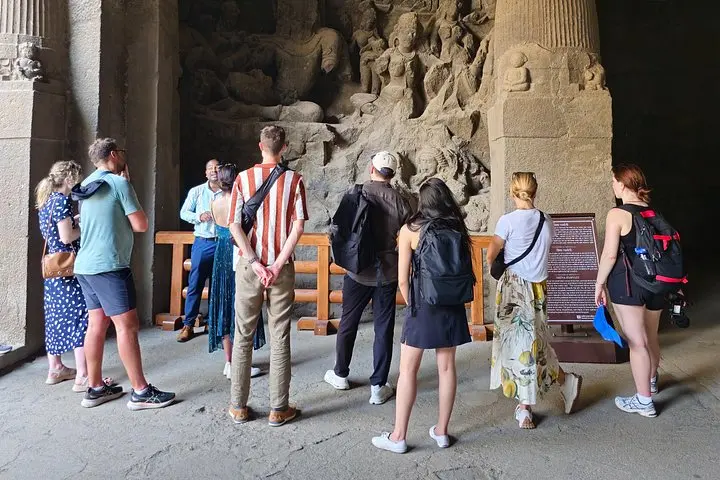
Practically: this private speedboat tour offers direct transfers from Jetty No. 5 at Gateway of India, a guided two-hour visit on the island, and tram access up the hill. Expect uneven stone steps, steep ramps inside caves, and stretches of open sun on the upper terraces. Wear closed shoes with grip, carry water and sunscreen, and plan for 5–6 hours total including transit and waiting time on the island. Photography is allowed in most areas but be respectful at shrines.
Timing matters—mornings are cooler and less crowded, monsoon months can close access. If dolphins appear they’ll flicker alongside the bow like a sudden laugh, a reminder that the Arabian Sea still surprises those who cross it.
The speedboat crossing is approximately 20 minutes one-way from Gateway of India under normal sea conditions.
Children and active older visitors can usually manage the caves, but there are steep steps and uneven surfaces; a tram and handrails are available on parts of the route.
Photography is generally permitted, but avoid flash at sensitive sculptures and be respectful at active shrines; rules can change, so follow your guide's instructions.
Operators may cancel or delay crossings in bad weather for safety; refunds depend on the tour's cancellation policy, and international visitors may have extra entry fees.
Oyster Sailing operates guided outdoor trips and adventures with an emphasis on safety, stewardship, and memorable experiences.
The tide slaps the hull as the speedboat peels away from the Gateway of India, Mumbai's skyline shrinking into a jagged horizon. Sea spray tastes of salt and diesel; gulls wheel, curious. In twenty minutes the city noise blurs into the hush of Elephanta Bay and the island's stout basalt cliffs rise up, gullied faces and green scrub framing ancient rock-cut entrances.
The tide slaps the hull as the speedboat peels away from the Gateway of India, Mumbai's skyline shrinking into a jagged horizon. Sea spray tastes of salt and diesel; gulls wheel, curious. In twenty minutes the city noise blurs into the hush of Elephanta Bay and the island's stout basalt cliffs rise up, gullied faces and green scrub framing ancient rock-cut entrances.
Carved between the 5th and 8th centuries, the Elephanta Caves are a UNESCO site devoted to Shiva. The island is volcanic in origin—hardened lava formed the canvas for large-scale sculpting—and the main cave houses the iconic three-headed Shiva (Trimurti) and rambling relief panels that map religious practice and maritime trade routes of medieval western India. Locals remember the island as Gharapuri, “city of caves,” and seasonal ferry culture remains part of daily life.
Practically: this private speedboat tour offers direct transfers from Jetty No. 5 at Gateway of India, a guided two-hour visit on the island, and tram access up the hill. Expect uneven stone steps, steep ramps inside caves, and stretches of open sun on the upper terraces. Wear closed shoes with grip, carry water and sunscreen, and plan for 5–6 hours total including transit and waiting time on the island. Photography is allowed in most areas but be respectful at shrines.
Timing matters—mornings are cooler and less crowded, monsoon months can close access. If dolphins appear they’ll flicker alongside the bow like a sudden laugh, a reminder that the Arabian Sea still surprises those who cross it.