THE ADVENTURE COLLECTIVE® · Independent discovery and booking for outdoor travel

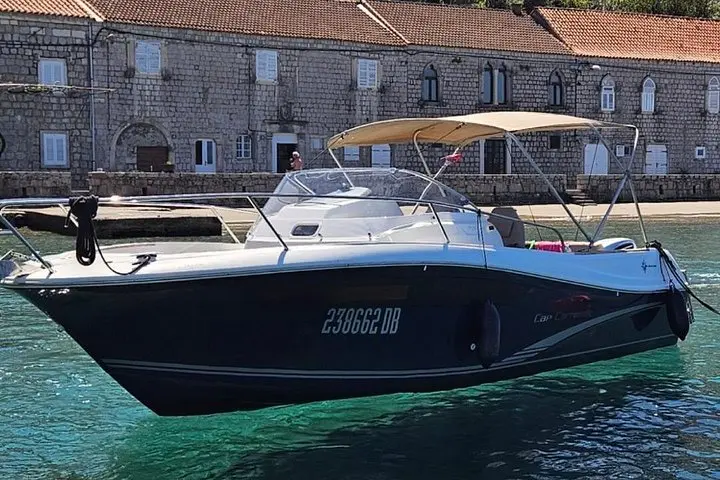
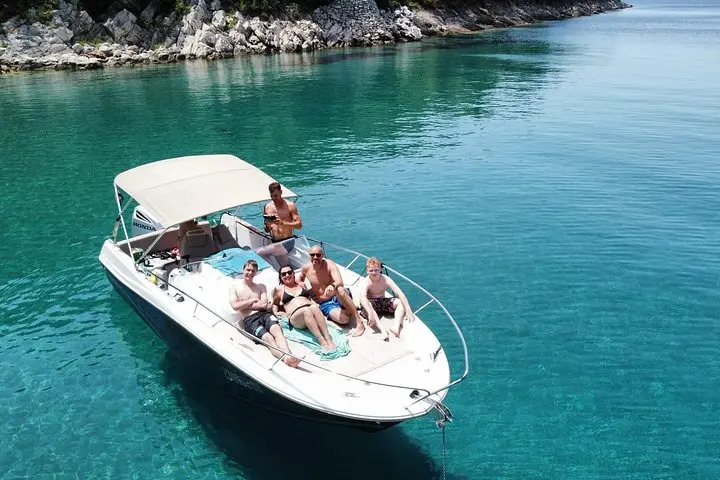
Leave Dubrovnik’s walls behind and cut across the Adriatic to the Elaphiti Islands on a private speedboat. Swim in clear coves, stroll sandy Sunj Beach, and sample local seafood at secluded harbors.
Leave Dubrovnik’s walls behind and cut across the Adriatic to the Elaphiti Islands on a private speedboat. Swim in clear coves, stroll sandy Sunj Beach, and sample local seafood at secluded harbors.
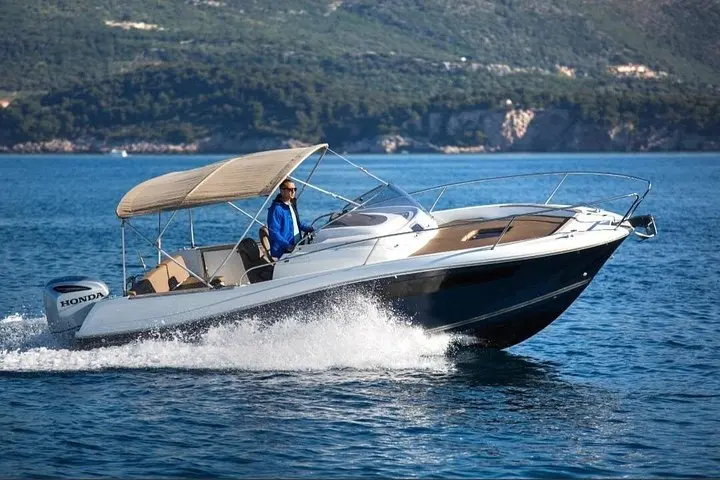
The motor burbles to life at the Dubrovnik quay and the city slips backward — red roofs and city walls shrinking as the Adriatic stretches out. Salt spray hits your face, the boat slices a silver path, and the first green shapes of the Elaphiti Islands rise: low, pine-topped silhouettes with small harbors and bright strips of sand. The sea dares you to dive in; the current only insists you try.
Verified experiences and guided adventures in the surrounding area.
Operated by Luka · Dubrovnik, Dubrovnik-Neretva
The motor burbles to life at the Dubrovnik quay and the city slips backward — red roofs and city walls shrinking as the Adriatic stretches out. Salt spray hits your face, the boat slices a silver path, and the first green shapes of the Elaphiti Islands rise: low, pine-topped silhouettes with small harbors and bright strips of sand. The sea dares you to dive in; the current only insists you try.
These islands have been part of Dubrovnik’s maritime life for centuries — summer retreats and olive groves maintained since the Republic of Ragusa. Geologically they are limestone outcrops sculpted by wind and waves, with coves cut into karst rock and pockets of sandy sediment like Sunj Beach on Lopud. Culture here moves at island pace: fishermen mending nets, stone houses shaded by cypress and citrus, and local tavernas serving grilled fish and olive oil from nearby groves.
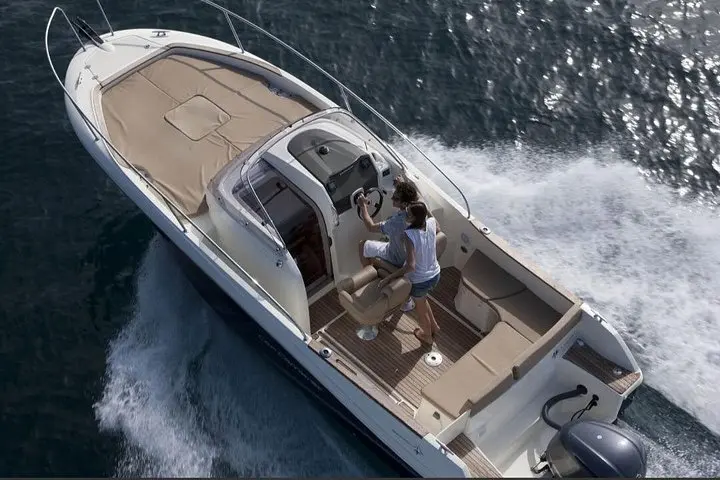
On a private speedboat tour you’ll stop to swim and snorkel in clear water, wander village lanes, and relax over a picnic lunch. Guides point out sheltered coves for calm water, and small harbors where wooden boats rock gently. Expect easy, family-friendly activity with short, frequent stops rather than long hikes.
Practical tips: bring reef-safe sunscreen and water shoes for rocky entries, a light wind layer for open-water stretches, and a waterproof bag for electronics. Plan around summer sea conditions for the calmest waters; mornings often offer the clearest swim visibility. With a bit of planning you get fast transit, private access, and an Adriatic day that balances thrill and ease.
Yes — tours are private and family-friendly; infants typically must sit on laps and operators can accommodate strollers for shore visits.
Operators often cancel for rough sea conditions and provide full refunds if canceled at least 24 hours in advance; check the provider’s bad-weather policy.
Most private speedboat tours stop for snorkeling; some provide masks and snorkels but confirm availability in advance or bring your own for best fit.
Many tours include a picnic lunch and some beverages, but check details for alcoholic drinks and any dietary needs prior to booking.
Luka operates guided outdoor trips and adventures with an emphasis on safety, stewardship, and memorable experiences.
The motor burbles to life at the Dubrovnik quay and the city slips backward — red roofs and city walls shrinking as the Adriatic stretches out. Salt spray hits your face, the boat slices a silver path, and the first green shapes of the Elaphiti Islands rise: low, pine-topped silhouettes with small harbors and bright strips of sand. The sea dares you to dive in; the current only insists you try.
The motor burbles to life at the Dubrovnik quay and the city slips backward — red roofs and city walls shrinking as the Adriatic stretches out. Salt spray hits your face, the boat slices a silver path, and the first green shapes of the Elaphiti Islands rise: low, pine-topped silhouettes with small harbors and bright strips of sand. The sea dares you to dive in; the current only insists you try.
These islands have been part of Dubrovnik’s maritime life for centuries — summer retreats and olive groves maintained since the Republic of Ragusa. Geologically they are limestone outcrops sculpted by wind and waves, with coves cut into karst rock and pockets of sandy sediment like Sunj Beach on Lopud. Culture here moves at island pace: fishermen mending nets, stone houses shaded by cypress and citrus, and local tavernas serving grilled fish and olive oil from nearby groves.
On a private speedboat tour you’ll stop to swim and snorkel in clear water, wander village lanes, and relax over a picnic lunch. Guides point out sheltered coves for calm water, and small harbors where wooden boats rock gently. Expect easy, family-friendly activity with short, frequent stops rather than long hikes.
Practical tips: bring reef-safe sunscreen and water shoes for rocky entries, a light wind layer for open-water stretches, and a waterproof bag for electronics. Plan around summer sea conditions for the calmest waters; mornings often offer the clearest swim visibility. With a bit of planning you get fast transit, private access, and an Adriatic day that balances thrill and ease.