THE ADVENTURE COLLECTIVE® · Independent discovery and booking for outdoor travel

Combine a private walk through historic Stone Town with a hands-on visit to a working spice farm, topped by a local lunch. This seven-hour tour blends cultural history, street markets and sensory taste tests for travelers who want context with their cuisine.
Combine a private walk through historic Stone Town with a hands-on visit to a working spice farm, topped by a local lunch. This seven-hour tour blends cultural history, street markets and sensory taste tests for travelers who want context with their cuisine.
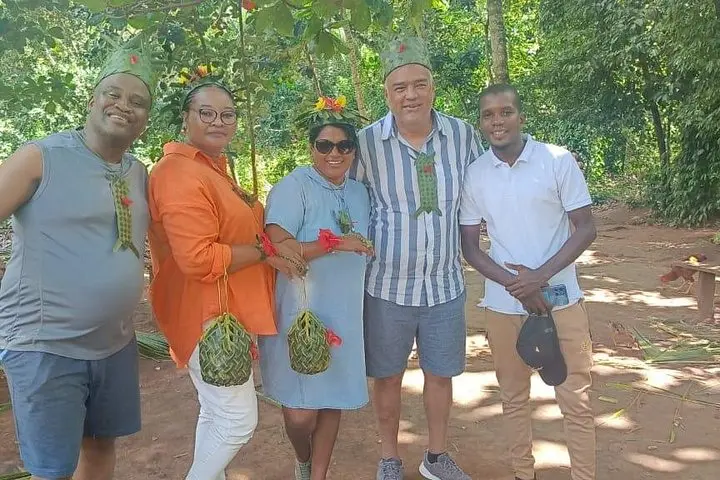
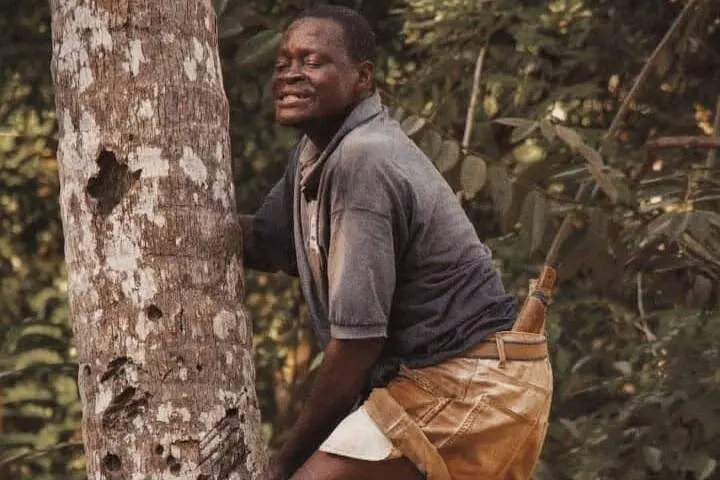
You arrive to the sound of a coastal wind pushing through narrow lanes; the air carries cloves, frying oil and the distant call to prayer. The day opens with a short drive out of Stone Town to a working spice plantation where cinnamon, vanilla and cloves rise from compact plots across roughly three to four hectares. At the farm the guide walks you through rows of spice trees, demonstrating how cardamom pods split, or how vanilla beans cure, while a local harvester climbs a coconut tree and offers freshly cut young coconut.
Verified experiences and guided adventures in the surrounding area.
Operated by Yazan Tours And Travel · Zanzibar City, Zanzibar
You arrive to the sound of a coastal wind pushing through narrow lanes; the air carries cloves, frying oil and the distant call to prayer. The day opens with a short drive out of Stone Town to a working spice plantation where cinnamon, vanilla and cloves rise from compact plots across roughly three to four hectares. At the farm the guide walks you through rows of spice trees, demonstrating how cardamom pods split, or how vanilla beans cure, while a local harvester climbs a coconut tree and offers freshly cut young coconut.
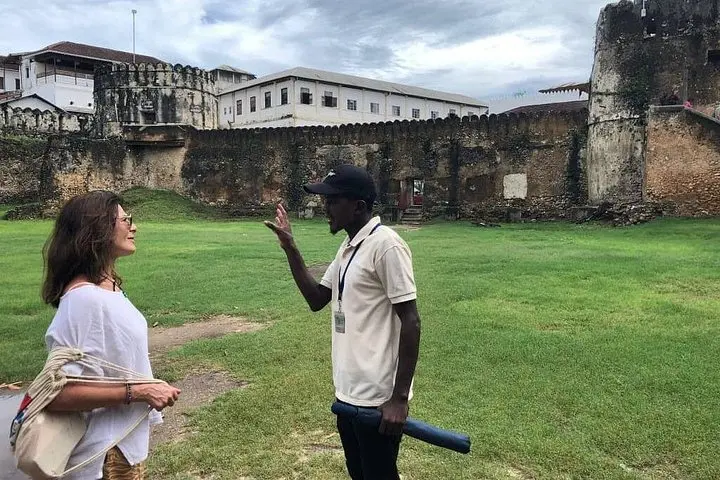
Back in Stone Town, the route threads past Darajani Market, the Forodhani seawalk and the House of Wonders—each building layered with Omani, Persian and European influences from the 18th and 19th centuries. The Old Slave Chamber and the Palace Museum make the island’s difficult chapters visible; the architecture maps trade routes and political shifts that shaped modern Zanzibar.
Practical notes: the full experience runs about seven hours, includes private, air-conditioned transfers, bottled water and a cooked lunch featuring pilau, kachumbari and local vegetables. Expect uneven, sometimes muddy farm tracks and cobbled streets in Stone Town—closed-toe shoes and sun protection are sensible. The pace is flexible: guides will shorten or lengthen walking sections by request.
This combined tour is best for travelers who want cultural context with sensory, hands-on learning about spices. Bring small cash for souvenir stalls, ask about sourcing if you plan to buy spices, and consider a mid-afternoon slot to avoid the hottest hours and enjoy Forodhani’s evening food market when flavors and light sharpen.
Yes—this private tour includes a local lunch featuring dishes such as pilau, cooked bananas and kachumbari.
The experience is approximately seven hours and includes private, air-conditioned transport between the spice farm and Stone Town.
The itinerary states relevant admission is included where required; confirm with your booking if you plan specific museum visits.
Infant seats are available and the pace can be adjusted, but some farm paths and historic sites involve steps and uneven ground—parents should judge based on their child’s mobility.
Yazan Tours And Travel operates guided outdoor trips and adventures with an emphasis on safety, stewardship, and memorable experiences.

You arrive to the sound of a coastal wind pushing through narrow lanes; the air carries cloves, frying oil and the distant call to prayer. The day opens with a short drive out of Stone Town to a working spice plantation where cinnamon, vanilla and cloves rise from compact plots across roughly three to four hectares. At the farm the guide walks you through rows of spice trees, demonstrating how cardamom pods split, or how vanilla beans cure, while a local harvester climbs a coconut tree and offers freshly cut young coconut.
You arrive to the sound of a coastal wind pushing through narrow lanes; the air carries cloves, frying oil and the distant call to prayer. The day opens with a short drive out of Stone Town to a working spice plantation where cinnamon, vanilla and cloves rise from compact plots across roughly three to four hectares. At the farm the guide walks you through rows of spice trees, demonstrating how cardamom pods split, or how vanilla beans cure, while a local harvester climbs a coconut tree and offers freshly cut young coconut.
Back in Stone Town, the route threads past Darajani Market, the Forodhani seawalk and the House of Wonders—each building layered with Omani, Persian and European influences from the 18th and 19th centuries. The Old Slave Chamber and the Palace Museum make the island’s difficult chapters visible; the architecture maps trade routes and political shifts that shaped modern Zanzibar.
Practical notes: the full experience runs about seven hours, includes private, air-conditioned transfers, bottled water and a cooked lunch featuring pilau, kachumbari and local vegetables. Expect uneven, sometimes muddy farm tracks and cobbled streets in Stone Town—closed-toe shoes and sun protection are sensible. The pace is flexible: guides will shorten or lengthen walking sections by request.
This combined tour is best for travelers who want cultural context with sensory, hands-on learning about spices. Bring small cash for souvenir stalls, ask about sourcing if you plan to buy spices, and consider a mid-afternoon slot to avoid the hottest hours and enjoy Forodhani’s evening food market when flavors and light sharpen.