THE ADVENTURE COLLECTIVE® · Independent discovery and booking for outdoor travel

A full-day private tour from Split that stitches together Klis Fortress, UNESCO-rich Trogir, Imotski’s karst lakes and the Cetina Canyon—finished with an authentic, family-style Dalmatian lunch. Expect short walks, dramatic viewpoints, and hands-on local hospitality.
A full-day private tour from Split that stitches together Klis Fortress, UNESCO-rich Trogir, Imotski’s karst lakes and the Cetina Canyon—finished with an authentic, family-style Dalmatian lunch. Expect short walks, dramatic viewpoints, and hands-on local hospitality.
The day begins on a coastal road where the Adriatic presses against limestone cliffs and the air smells faintly of olive oil and salt. A private Mercedes G-Class eases up the pass to Klis Fortress and the city of Split falls away below—a patchwork of orange roofs and the Roman geometry of Diocletian’s Palace. From the ramparts the Cetina River threads inland, daring you toward canyons and karst lakes whose colors change with the sun.
Verified experiences and guided adventures in the surrounding area.
Operated by Private Tours Travel Agency · Split, Split-Dalmatia County
The day begins on a coastal road where the Adriatic presses against limestone cliffs and the air smells faintly of olive oil and salt. A private Mercedes G-Class eases up the pass to Klis Fortress and the city of Split falls away below—a patchwork of orange roofs and the Roman geometry of Diocletian’s Palace. From the ramparts the Cetina River threads inland, daring you toward canyons and karst lakes whose colors change with the sun.
This is a working day in Dalmatia: not a single destination but a sequence of impressions. Klis has been a strategic choke point since Byzantium; its stone keeps once blocked Ottoman advances. Trogir—on the UNESCO list—keeps medieval stonework so intact that walking its alleys feels like slow-motion time travel. Further inland, Imotski’s Red and Blue Lakes are classic karst phenomena: collapsed sinkholes that reveal groundwater and strata, their sheer rims dropping hundreds of meters. Geology here is blunt and visible—limestone cut by rivers and centuries of human passage.
Culture arrives in simple acts: a family in a Zagora village laying out home-cured ham, a grandmother showing how to press olives, or fishermen on the Dalmatian coast mending nets. The lunch that follows is the point of the tour—the kind found in small konobas rather than guidebooks—fresh bread, slow-cooked lamb or fish, and rakija served like a nod to hospitality itself.
Practicalities are straightforward. Expect a full day—roughly 6–8 hours—including multiple short walks and viewpoints; some paths are paved, others are rocky rim trails. Bring footwear with grip for uneven karst edges, and a light jacket for wind on the ridgelines above Cetina. Swimming at Blue Lake depends on seasonal water levels, so plan flexibility.
Local insights sharpen the experience: ask your guide about Radmanove Mlinice by the Cetina—mills converted into restaurants—and the quieter rim trails above Blue Lake for a less crowded perspective. Respect private property; many viewpoints pass through working farmland. Hydrate on the road, keep sunscreen handy, and time the Klis visit for morning light to avoid midday crowds.
This itinerary works well from a base in Split (or nearby Trogir) and suits travelers who want history, geology, and a culinary window into Dalmatian rural life without long hikes. It’s a single-day mosaic—a coastal city, fortresses, sinkholes, canyon views, and a home-cooked lunch—that shows how this strip of Croatia layers landscape and people into a concentrated, accessible adventure.
The tour lasts about 6–8 hours with several short stops (20–40 minutes each) for viewpoints, lakes, and a sit-down lunch; walking is intermittent and light.
Yes—hosts typically provide vegetable and cheese-based dishes by request; notify the operator at booking for specific dietary needs.
Sometimes—Blue Lake’s water level is seasonal; guides will advise on access and safety on the day of your tour.
Yes—private pickup from Split-area hotels is generally included; confirm your exact pickup point when you book.
This tour focuses on viewpoints and outdoor stops; museum admissions, if desired, are usually not included—ask when booking to clarify.
Yes—walking demands are light and the tour notes indicate it’s suitable for all fitness levels; small children should be accompanied by an adult.
Private Tours Travel Agency operates guided outdoor trips and adventures with an emphasis on safety, stewardship, and memorable experiences.
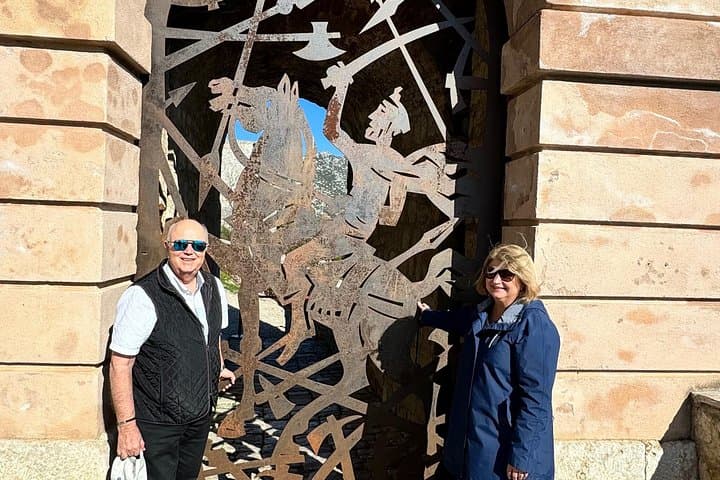
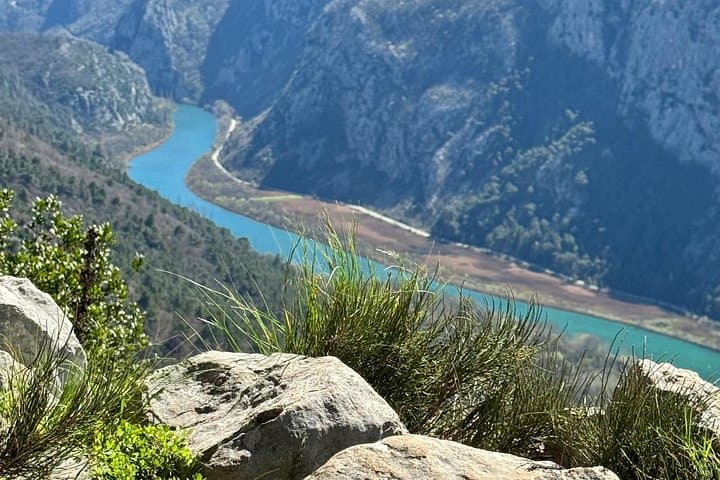

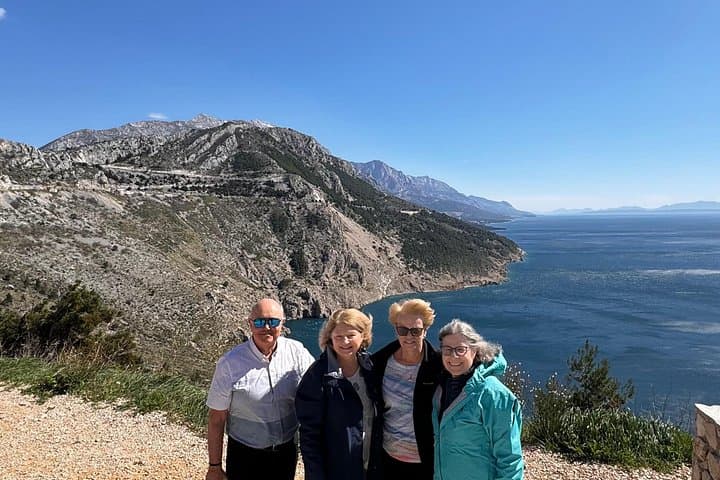
The day begins on a coastal road where the Adriatic presses against limestone cliffs and the air smells faintly of olive oil and salt. A private Mercedes G-Class eases up the pass to Klis Fortress and the city of Split falls away below—a patchwork of orange roofs and the Roman geometry of Diocletian’s Palace. From the ramparts the Cetina River threads inland, daring you toward canyons and karst lakes whose colors change with the sun.
The day begins on a coastal road where the Adriatic presses against limestone cliffs and the air smells faintly of olive oil and salt. A private Mercedes G-Class eases up the pass to Klis Fortress and the city of Split falls away below—a patchwork of orange roofs and the Roman geometry of Diocletian’s Palace. From the ramparts the Cetina River threads inland, daring you toward canyons and karst lakes whose colors change with the sun.
This is a working day in Dalmatia: not a single destination but a sequence of impressions. Klis has been a strategic choke point since Byzantium; its stone keeps once blocked Ottoman advances. Trogir—on the UNESCO list—keeps medieval stonework so intact that walking its alleys feels like slow-motion time travel. Further inland, Imotski’s Red and Blue Lakes are classic karst phenomena: collapsed sinkholes that reveal groundwater and strata, their sheer rims dropping hundreds of meters. Geology here is blunt and visible—limestone cut by rivers and centuries of human passage.
Culture arrives in simple acts: a family in a Zagora village laying out home-cured ham, a grandmother showing how to press olives, or fishermen on the Dalmatian coast mending nets. The lunch that follows is the point of the tour—the kind found in small konobas rather than guidebooks—fresh bread, slow-cooked lamb or fish, and rakija served like a nod to hospitality itself.
Practicalities are straightforward. Expect a full day—roughly 6–8 hours—including multiple short walks and viewpoints; some paths are paved, others are rocky rim trails. Bring footwear with grip for uneven karst edges, and a light jacket for wind on the ridgelines above Cetina. Swimming at Blue Lake depends on seasonal water levels, so plan flexibility.
Local insights sharpen the experience: ask your guide about Radmanove Mlinice by the Cetina—mills converted into restaurants—and the quieter rim trails above Blue Lake for a less crowded perspective. Respect private property; many viewpoints pass through working farmland. Hydrate on the road, keep sunscreen handy, and time the Klis visit for morning light to avoid midday crowds.
This itinerary works well from a base in Split (or nearby Trogir) and suits travelers who want history, geology, and a culinary window into Dalmatian rural life without long hikes. It’s a single-day mosaic—a coastal city, fortresses, sinkholes, canyon views, and a home-cooked lunch—that shows how this strip of Croatia layers landscape and people into a concentrated, accessible adventure.