THE ADVENTURE COLLECTIVE® · Independent discovery and booking for outdoor travel

Walk Stone Town's coral-stone alleys, visit a spice farm, and taste Swahili dishes on a private eight-hour tour. Expect historical sites, market bustle, and hands-on spice tastings with an expert local guide.
Walk Stone Town's coral-stone alleys, visit a spice farm, and taste Swahili dishes on a private eight-hour tour. Expect historical sites, market bustle, and hands-on spice tastings with an expert local guide.
You step off the air-conditioned van into a narrow Stone Town alley where sun slices between coral-stone buildings and the scent of cloves and roasting fish pushes at your sleeves.
Verified experiences and guided adventures in the surrounding area.
Operated by Zanzibar holiday · Stone Town, Zanzibar
You step off the air-conditioned van into a narrow Stone Town alley where sun slices between coral-stone buildings and the scent of cloves and roasting fish pushes at your sleeves.
Stone Town's streets move with purpose: stalls, carved doors, and a stack of layered histories—from Omani sultans and Portuguese forts to the grim footprint of the East African slave trade. The town sits on coral rag limestone, a shoreline geology that shaped its compact streets and timber-framed houses built for cross-ventilation. Your guide will point out the Sultan's Palace façade, the Old Fort, and the modest house linked to Freddie Mercury; each stop traces cultural threads of Swahili trade, Islamic influence, and colonial architecture.
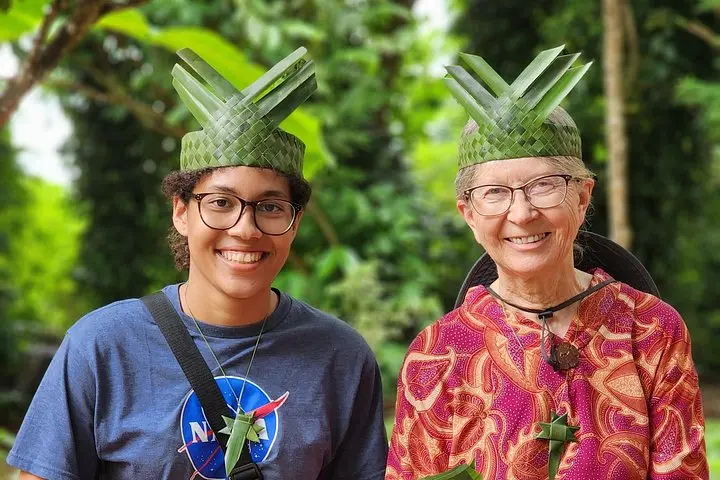
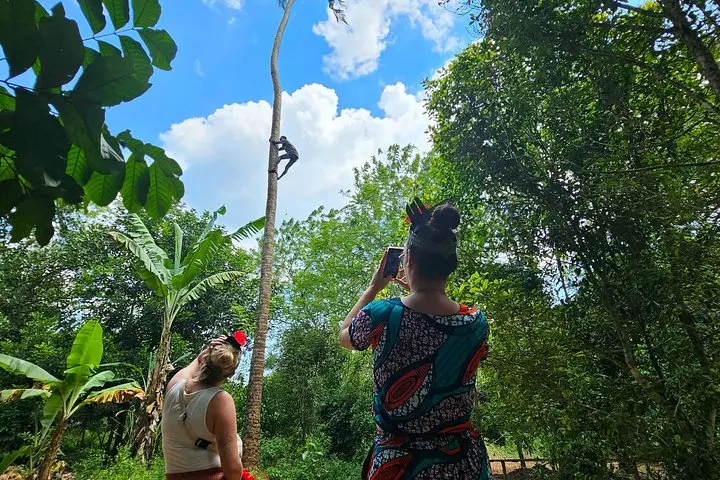
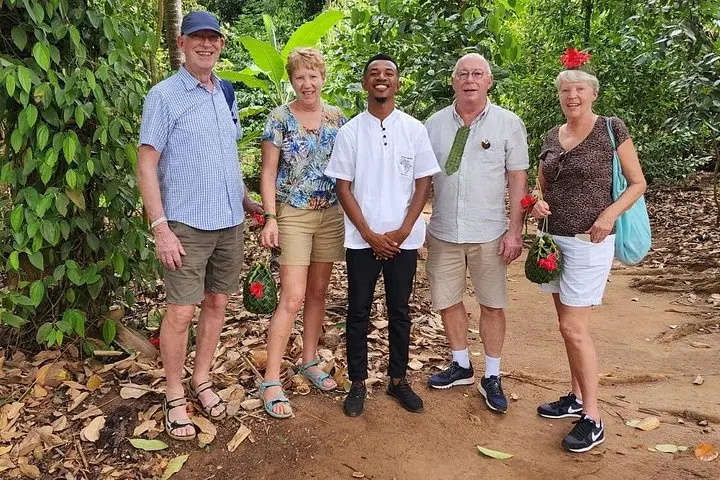
Beyond the town, the spice farm exposes a living pantry: vanilla vines climbing mango trees, clove trunks puncturing the canopy, and cassia peels bright as rust. Tasting sessions—raw coconut, fresh tamarind, green peppercorns—translate botany into flavor; a short talk explains cultivation and local uses in Swahili cooking.
Practicals: this private, 8-hour loop includes hotel pickup, bottled water, and a Swahili lunch (pilau, coconut curry, and fresh fruit). Expect 2–3 hours of walking on uneven pavements and market crowds; comfortable shoes and sun protection matter more than fitness. Carry small bills for souvenirs and photo permissions, and plan your visit outside midday heat or during high season (June–Oct) for cooler breezes. The itinerary balances historical context with sensory stops—ideal for travelers who want a single-day, low-effort deep dive into Zanzibar's culture and flavors.
Yes—transport and many surfaces are wheelchair accessible, but some historic sites and market alleys can be uneven; check specific pickup/drop-off needs when booking.
Yes—bottled water and a Swahili lunch (pilau, curries, salads and fruit) are included; dietary restrictions can be accommodated with advance notice.
Expect light walking around Stone Town and the spice farm—roughly 2–3 hours total on mostly flat but cobbled surfaces.
Yes—both the farm and Darajani Market offer spices, handicrafts, and souvenirs; bargaining is common and cash is preferred.
Zanzibar holiday operates guided outdoor trips and adventures with an emphasis on safety, stewardship, and memorable experiences.

You step off the air-conditioned van into a narrow Stone Town alley where sun slices between coral-stone buildings and the scent of cloves and roasting fish pushes at your sleeves.
You step off the air-conditioned van into a narrow Stone Town alley where sun slices between coral-stone buildings and the scent of cloves and roasting fish pushes at your sleeves.
Stone Town's streets move with purpose: stalls, carved doors, and a stack of layered histories—from Omani sultans and Portuguese forts to the grim footprint of the East African slave trade. The town sits on coral rag limestone, a shoreline geology that shaped its compact streets and timber-framed houses built for cross-ventilation. Your guide will point out the Sultan's Palace façade, the Old Fort, and the modest house linked to Freddie Mercury; each stop traces cultural threads of Swahili trade, Islamic influence, and colonial architecture.
Beyond the town, the spice farm exposes a living pantry: vanilla vines climbing mango trees, clove trunks puncturing the canopy, and cassia peels bright as rust. Tasting sessions—raw coconut, fresh tamarind, green peppercorns—translate botany into flavor; a short talk explains cultivation and local uses in Swahili cooking.
Practicals: this private, 8-hour loop includes hotel pickup, bottled water, and a Swahili lunch (pilau, coconut curry, and fresh fruit). Expect 2–3 hours of walking on uneven pavements and market crowds; comfortable shoes and sun protection matter more than fitness. Carry small bills for souvenirs and photo permissions, and plan your visit outside midday heat or during high season (June–Oct) for cooler breezes. The itinerary balances historical context with sensory stops—ideal for travelers who want a single-day, low-effort deep dive into Zanzibar's culture and flavors.