THE ADVENTURE COLLECTIVE® · Independent discovery and booking for outdoor travel

A private transfer from London or Southampton takes you across chalk downland to Stonehenge, with an option to stop in medieval Winchester. Expect a 2–3 hour outing with at least one hour at the monument and an on-site exhibition that frames 5,000 years of human activity.
A private transfer from London or Southampton takes you across chalk downland to Stonehenge, with an option to stop in medieval Winchester. Expect a 2–3 hour outing with at least one hour at the monument and an on-site exhibition that frames 5,000 years of human activity.
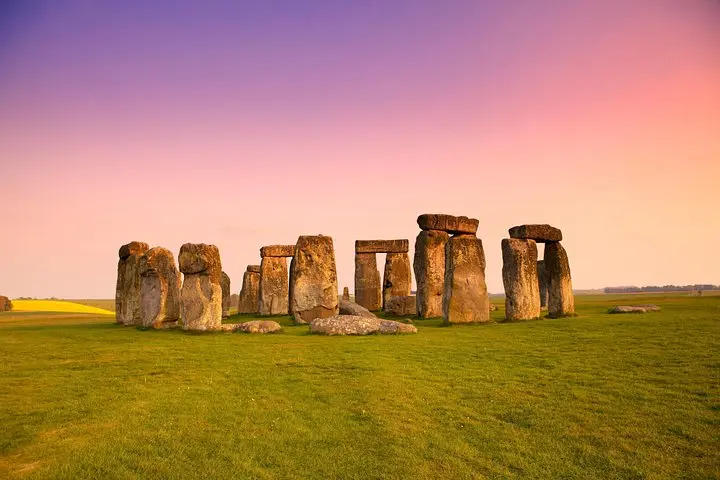
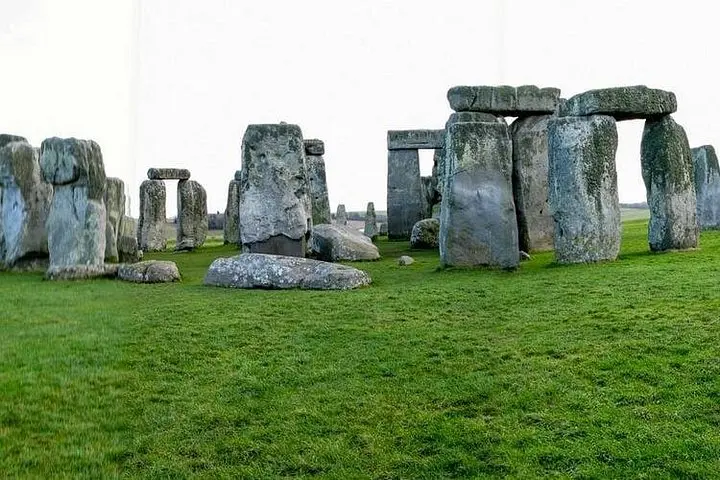
You pull away from the city and the road opens onto chalk downland: broad, rolling fields where wind scours the grass and the stones first appear like ancient crewmen on the horizon daring you closer.
Verified experiences and guided adventures in the surrounding area.
Operated by Cab My Ride · Salisbury, Wiltshire
You pull away from the city and the road opens onto chalk downland: broad, rolling fields where wind scours the grass and the stones first appear like ancient crewmen on the horizon daring you closer.
Stonehenge sits on Salisbury Plain, a 5,000-year-old ring of sarsen and bluestone whose construction still invites questions—who moved the stones, and why align them to the solstices? The monument’s geology is local chalk and harder sarsen boulders, while the bluestones trace their origins to Wales. Nearby Durrington Walls and Old Sarum tell the broader human story: seasonal gatherings, milling communities and medieval fortifications layered across millennia. Winchester adds a different chapter—medieval power, a great cathedral and a city mill that speak to later English heritage.
Practical side: this private tour runs 2–3 hours and includes door-to-door transport in an air-conditioned vehicle with refreshments on board; admission to Stonehenge’s exhibition and inner circle is not included. Expect a minimum one-hour visit at Stonehenge and the option to stop in Winchester if you choose—allow extra time for cathedral entry fees. Paths around the visitor centre are compacted and largely flat, but the stones themselves sit on exposed turf that can be muddy.
Plan for changeable weather—wind can bite on the plain—wear sturdy shoes, bring layered outerwear and allow time for photography at the visitor centre’s displays. If you want more time inside the exhibition or a longer city stop, confirm when booking; private transfers make timing flexible but book early for solstice windows. Stick to marked paths to protect fragile archaeology and follow English Heritage guidance.
No. Admission to Stonehenge and the on-site exhibition is not included—book tickets through English Heritage in advance.
Yes. The itinerary allows a stop in Winchester, but cathedral entry fees and extra time must be arranged when booking.
The tour vehicle and the Stonehenge visitor centre are wheelchair accessible; however, the immediate area around the stones is uneven—check with the operator for specific assistance needs.
The standard visit time is at least one hour at the monument and visitor centre; private bookings can request more time subject to scheduling.
Cab My Ride operates guided outdoor trips and adventures with an emphasis on safety, stewardship, and memorable experiences.


You pull away from the city and the road opens onto chalk downland: broad, rolling fields where wind scours the grass and the stones first appear like ancient crewmen on the horizon daring you closer.
You pull away from the city and the road opens onto chalk downland: broad, rolling fields where wind scours the grass and the stones first appear like ancient crewmen on the horizon daring you closer.
Stonehenge sits on Salisbury Plain, a 5,000-year-old ring of sarsen and bluestone whose construction still invites questions—who moved the stones, and why align them to the solstices? The monument’s geology is local chalk and harder sarsen boulders, while the bluestones trace their origins to Wales. Nearby Durrington Walls and Old Sarum tell the broader human story: seasonal gatherings, milling communities and medieval fortifications layered across millennia. Winchester adds a different chapter—medieval power, a great cathedral and a city mill that speak to later English heritage.
Practical side: this private tour runs 2–3 hours and includes door-to-door transport in an air-conditioned vehicle with refreshments on board; admission to Stonehenge’s exhibition and inner circle is not included. Expect a minimum one-hour visit at Stonehenge and the option to stop in Winchester if you choose—allow extra time for cathedral entry fees. Paths around the visitor centre are compacted and largely flat, but the stones themselves sit on exposed turf that can be muddy.
Plan for changeable weather—wind can bite on the plain—wear sturdy shoes, bring layered outerwear and allow time for photography at the visitor centre’s displays. If you want more time inside the exhibition or a longer city stop, confirm when booking; private transfers make timing flexible but book early for solstice windows. Stick to marked paths to protect fragile archaeology and follow English Heritage guidance.