THE ADVENTURE COLLECTIVE® · Independent discovery and booking for outdoor travel

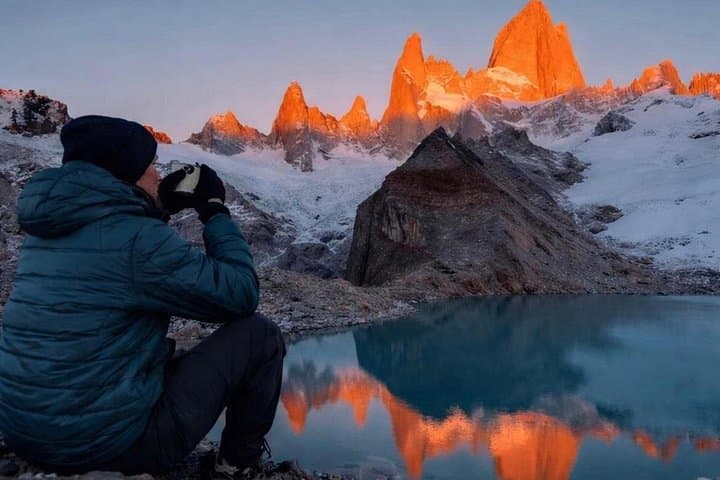
Leave town under a starry sky and hike through Patagonian steppe to watch the first light strike Mount Fitz Roy. This guided night hike delivers a dramatic sunrise at Laguna de los Tres with expert route management and a hot drink at the top.
Leave town under a starry sky and hike through Patagonian steppe to watch the first light strike Mount Fitz Roy. This guided night hike delivers a dramatic sunrise at Laguna de los Tres with expert route management and a hot drink at the top.
Under a rigid dome of stars the group slips out of town, headlamps thinning the night as the trail climbs toward Fitz Roy.
Verified experiences and guided adventures in the surrounding area.
Operated by Patagonia Executive Travel · El Chaltén, Santa Cruz
Under a rigid dome of stars the group slips out of town, headlamps thinning the night as the trail climbs toward Fitz Roy.
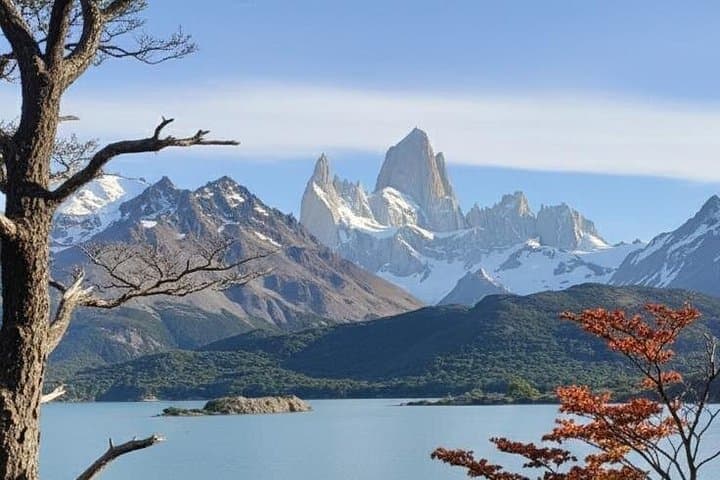
The route follows classic paths used by local guides for decades, aiming for the Laguna de los Tres viewpoint where the first light chisels the granite spires into relief. Geologically, Fitz Roy is a tower of hard granodiorite carved by glaciers; the valley below still bears moraines and braided streams that push hikers forward with a steady, audible urgency.
El Chaltén grew around mountaineering and shepherding; its name comes from the Tehuelche word chaltén, "smoking mountain," a nod to clouds that crown the peak. Guided night hikes here honor that cultural history and the national park protections that preserve fragile steppe and lenga forests.
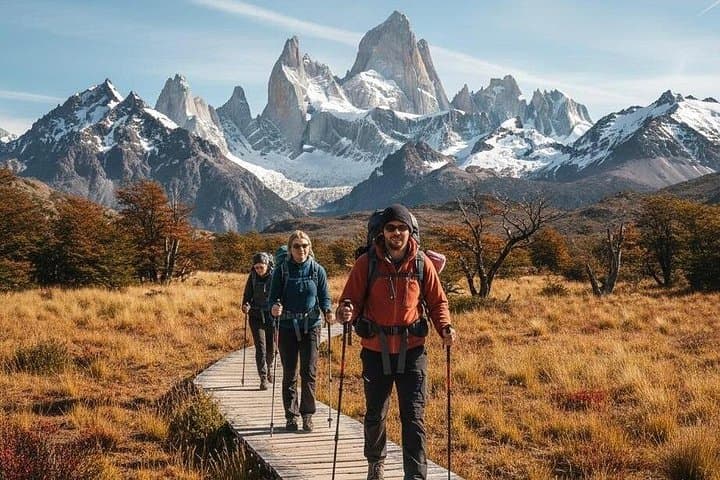
Practically, expect rocky switchbacks, sections of loose scree, and exposed ridgelines; the roundtrip from town to Laguna de los Tres is roughly 18–22 km with about 700–800 m of elevation gain, done slowly to arrive with daylight. Guides provide hot drinks and route management; participants should carry layered clothing, waterproof shells, and a reliable headlamp.
Timing and weather are decisive: Patagonia’s wind and sudden storms can turn a clear night into a whiteout. Plan for wind, test your gear before departure, and prioritize a guide who reads mountain weather.
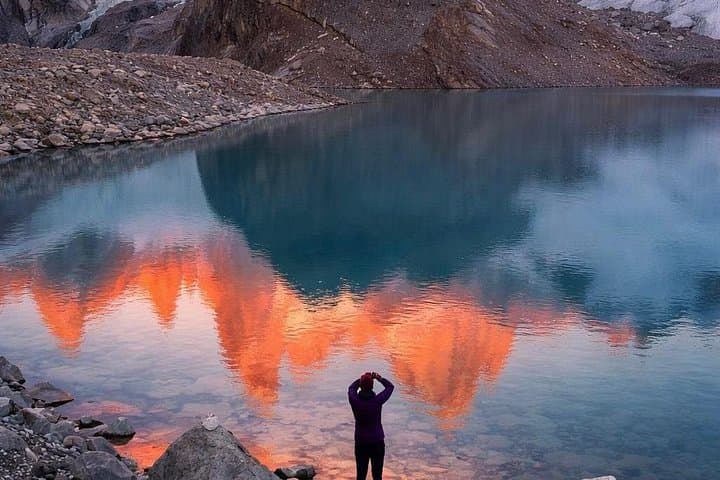
The reward is immediate and quiet: sunlight prying the blues and pinks from rock, condors wheel above, and the valley exhales—an elemental, tactile sunrise that feels earned and exacting.
Typical outings run 10–14 hours door-to-door; guides usually depart late night to arrive before sunrise—confirm pickup time when booking.
The hike is guided but challenging due to night travel, distance, and elevation gain; participants should have prior day-hiking experience and good fitness.
Most private sunrise hikes include a professional guide, hot drinks at the viewpoint, and bottled water; logistics like pickup from El Chaltén or El Calafate vary by operator.
Weather changes rapidly—high winds, fog, or storms can force cancellation; operators often cancel in unsafe conditions and advise appropriate clothing and gear.
Patagonia Executive Travel operates guided outdoor trips and adventures with an emphasis on safety, stewardship, and memorable experiences.
Under a rigid dome of stars the group slips out of town, headlamps thinning the night as the trail climbs toward Fitz Roy.
Under a rigid dome of stars the group slips out of town, headlamps thinning the night as the trail climbs toward Fitz Roy.
The route follows classic paths used by local guides for decades, aiming for the Laguna de los Tres viewpoint where the first light chisels the granite spires into relief. Geologically, Fitz Roy is a tower of hard granodiorite carved by glaciers; the valley below still bears moraines and braided streams that push hikers forward with a steady, audible urgency.
El Chaltén grew around mountaineering and shepherding; its name comes from the Tehuelche word chaltén, "smoking mountain," a nod to clouds that crown the peak. Guided night hikes here honor that cultural history and the national park protections that preserve fragile steppe and lenga forests.
Practically, expect rocky switchbacks, sections of loose scree, and exposed ridgelines; the roundtrip from town to Laguna de los Tres is roughly 18–22 km with about 700–800 m of elevation gain, done slowly to arrive with daylight. Guides provide hot drinks and route management; participants should carry layered clothing, waterproof shells, and a reliable headlamp.
Timing and weather are decisive: Patagonia’s wind and sudden storms can turn a clear night into a whiteout. Plan for wind, test your gear before departure, and prioritize a guide who reads mountain weather.
The reward is immediate and quiet: sunlight prying the blues and pinks from rock, condors wheel above, and the valley exhales—an elemental, tactile sunrise that feels earned and exacting.