THE ADVENTURE COLLECTIVE® · Independent discovery and booking for outdoor travel

Watch sunrise or sunset light spill across Angkor Wat from a private, guided vehicle with flexible pacing and multilingual guides. This luxury option pairs early access to major temples with hotel pickup, bottled water, and personalized routing to avoid the crowds.
Watch sunrise or sunset light spill across Angkor Wat from a private, guided vehicle with flexible pacing and multilingual guides. This luxury option pairs early access to major temples with hotel pickup, bottled water, and personalized routing to avoid the crowds.
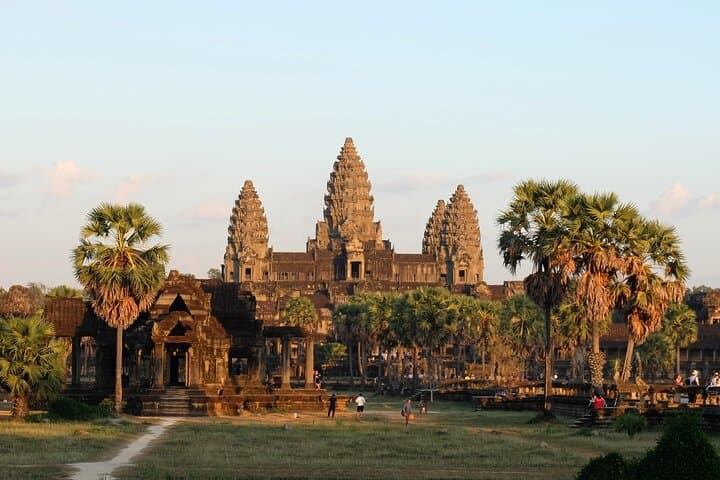
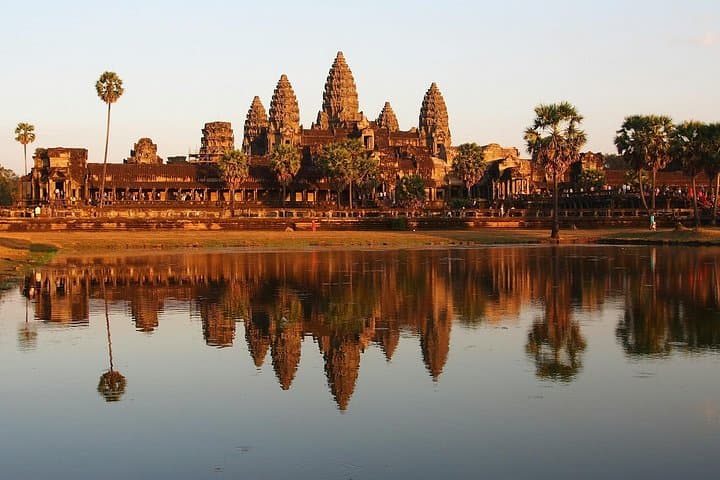
Dawn breaks over the lotus-shaped silhouette of Angkor Wat and the world tilts toward gold. The reflecting pools hold the sky like a mirror while the first light outlines the temple towers — a private guide steers your group through the cooling crowd and into carved galleries that creak with centuries of stories.
Verified experiences and guided adventures in the surrounding area.
Operated by Wadi Rum Fire Camp · Siem Reap, Siem Reap Province
Dawn breaks over the lotus-shaped silhouette of Angkor Wat and the world tilts toward gold. The reflecting pools hold the sky like a mirror while the first light outlines the temple towers — a private guide steers your group through the cooling crowd and into carved galleries that creak with centuries of stories.
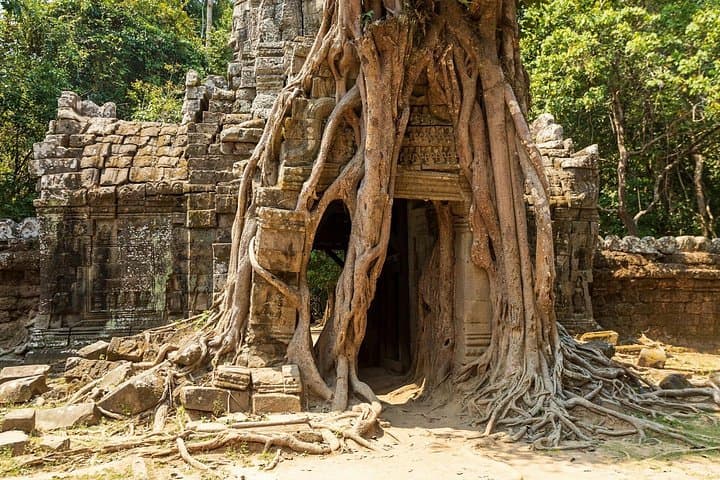
Angkor Wat was begun in the early 12th century by King Suryavarman II and occupies roughly 162.6 hectares within the larger Angkor Archaeological Park. The masonry is sandstone; the bas-reliefs recount myth and statecraft, and the site sits atop an engineered landscape of barays (large reservoirs) that controlled water and agriculture for the Khmer Empire. The surrounding laterite and flooded plains shape the approach: broad causeways, moats, and forested corridors where fig and silk-cotton trees press their roots into stone.
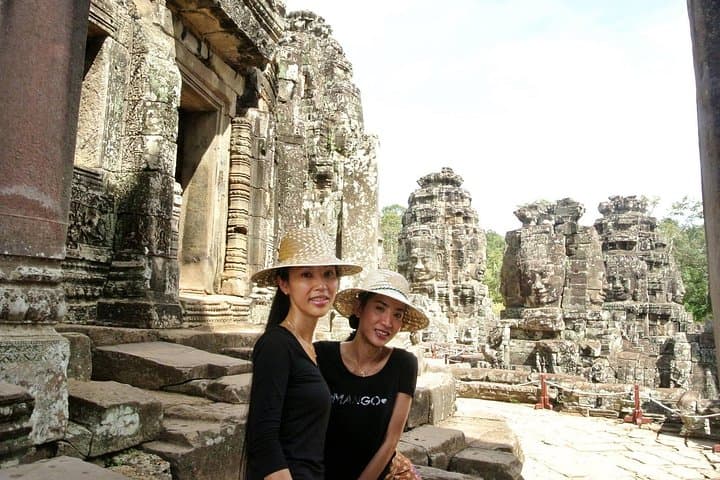
A private sunrise or sunset tour lets travelers move at their own pace — photography at the causeway, close views of apsara carvings, and quieter passage through Ta Prohm's root-engulfed chambers or the hipped terraces of Bayon.
Practical guidance: Angkor requires a park pass (buy in Siem Reap), dress modestly (shoulders and knees covered), and expect significant walking on uneven stone and steps. Start before sunrise to beat the crowds, carry water and sun protection, and wear grippy shoes. Private transfers typically include hotel pickup, an air-conditioned van, bottled water, and a multilingual guide; temple admission is separate. Plan for early starts, slow pacing through major sites, and an awareness of preservation rules — leave nothing behind and keep to designated paths.
No — Angkor Archaeological Park passes are purchased separately at the official ticket center in Siem Reap; the private tour typically does not include the park pass.
Yes — private guides can sequence sites and use less-trafficked routes, especially when starting at sunrise or visiting later in the day.
Yes — touching carvings, climbing on non-designated structures, and removing artifacts are prohibited; guides will point out restricted areas to protect the monuments.
Generally yes — the tour is suitable for most ages, but parents should watch young children around steps, pools, and root-covered ruins.
Wadi Rum Fire Camp operates guided outdoor trips and adventures with an emphasis on safety, stewardship, and memorable experiences.
Dawn breaks over the lotus-shaped silhouette of Angkor Wat and the world tilts toward gold. The reflecting pools hold the sky like a mirror while the first light outlines the temple towers — a private guide steers your group through the cooling crowd and into carved galleries that creak with centuries of stories.
Dawn breaks over the lotus-shaped silhouette of Angkor Wat and the world tilts toward gold. The reflecting pools hold the sky like a mirror while the first light outlines the temple towers — a private guide steers your group through the cooling crowd and into carved galleries that creak with centuries of stories.
Angkor Wat was begun in the early 12th century by King Suryavarman II and occupies roughly 162.6 hectares within the larger Angkor Archaeological Park. The masonry is sandstone; the bas-reliefs recount myth and statecraft, and the site sits atop an engineered landscape of barays (large reservoirs) that controlled water and agriculture for the Khmer Empire. The surrounding laterite and flooded plains shape the approach: broad causeways, moats, and forested corridors where fig and silk-cotton trees press their roots into stone.
A private sunrise or sunset tour lets travelers move at their own pace — photography at the causeway, close views of apsara carvings, and quieter passage through Ta Prohm's root-engulfed chambers or the hipped terraces of Bayon.
Practical guidance: Angkor requires a park pass (buy in Siem Reap), dress modestly (shoulders and knees covered), and expect significant walking on uneven stone and steps. Start before sunrise to beat the crowds, carry water and sun protection, and wear grippy shoes. Private transfers typically include hotel pickup, an air-conditioned van, bottled water, and a multilingual guide; temple admission is separate. Plan for early starts, slow pacing through major sites, and an awareness of preservation rules — leave nothing behind and keep to designated paths.