THE ADVENTURE COLLECTIVE® · Independent discovery and booking for outdoor travel

Catch the world’s most famous temple as dawn peels light across moat and stone. This private sunrise tour pairs early access with an expert Khmer guide, visiting Angkor Wat, Ta Prohm, Bayon and quieter ruins for a full cultural day.
Catch the world’s most famous temple as dawn peels light across moat and stone. This private sunrise tour pairs early access with an expert Khmer guide, visiting Angkor Wat, Ta Prohm, Bayon and quieter ruins for a full cultural day.
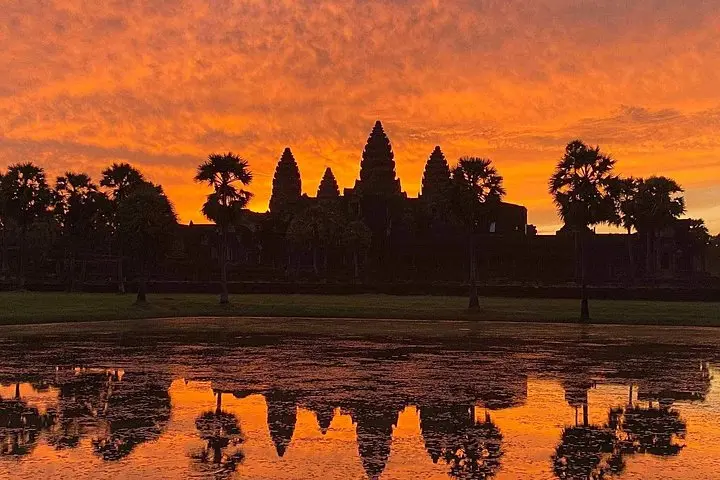
You leave Siem Reap in the pre-dawn cool and the road narrows as the first light picks out the silhouette of Angkor Wat. The moat catches that pale glow, and for a few minutes the temple refuses to be anything but monumental—stone turning slowly from charcoal to gold as the sun climbs.
Verified experiences and guided adventures in the surrounding area.
Operated by Angkor Wat Shared Tours · Siem Reap, Siem Reap Province
You leave Siem Reap in the pre-dawn cool and the road narrows as the first light picks out the silhouette of Angkor Wat. The moat catches that pale glow, and for a few minutes the temple refuses to be anything but monumental—stone turning slowly from charcoal to gold as the sun climbs.
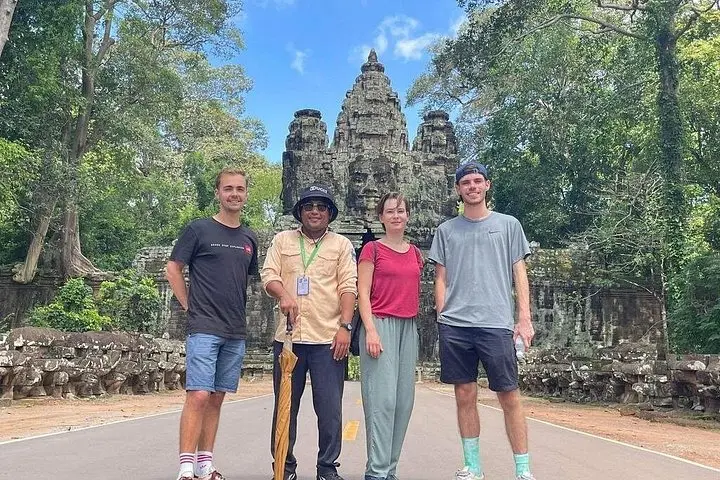
The site belongs to a landscape shaped by human ambition and seasonal water management: the 12th‑century Angkor Wat sits within a city that was supported by a complex system of reservoirs and canals. Your Khmer guide threads history and local stories between visits—Angkor Thom’s gate guardians still stare down the modern traffic, while Ta Prohm’s tree roots lay claim to the ruins like patient gardeners. Ta Keo’s unfinished terraces give a raw, architectural drama; Banteay Kdei offers quieter corners where silk‑cotton roots weave through brick.
Expect flat walking on packed laterite and uneven temple steps—stairs at Ta Keo and Bayon can be steep. Wear modest, quick‑dry clothing (shoulders and knees covered), bring a hat and sun protection, and keep a light rain jacket in the wet months. An Angkor Pass is required and can be purchased at the ticket center before sunrise if needed; your driver usually stops for this.
Practical rhythm: arrive early for the classic western causeway sunrise, then move clockwise to avoid crowds—guide pacing makes the 8–9 hour day manageable. Hydration, steady footwear, and patience for narrow corridors will let you focus on the carvings, the jungle that reclaims stone, and the slow presence of a landscape that still speaks of empire.
Yes—an Angkor Pass is required for entry; most visitors buy it at the official ticket center near the park entrance or arrange with the driver to stop before sunrise.
Pickup is typically around 4:30am to reach the Angkor Wat causeway before sunrise—the light and cooler temperatures make early starts worth it.
The tour is family‑friendly but involves walking and stairs; discuss mobility needs with the operator so they can adjust the pace or focus on more accessible sites.
Entrance (Angkor Pass) is not included in many listings; bottled water and hotel transfers usually are—confirm with the operator about fees and meals.
Angkor Wat Shared Tours operates guided outdoor trips and adventures with an emphasis on safety, stewardship, and memorable experiences.


You leave Siem Reap in the pre-dawn cool and the road narrows as the first light picks out the silhouette of Angkor Wat. The moat catches that pale glow, and for a few minutes the temple refuses to be anything but monumental—stone turning slowly from charcoal to gold as the sun climbs.
You leave Siem Reap in the pre-dawn cool and the road narrows as the first light picks out the silhouette of Angkor Wat. The moat catches that pale glow, and for a few minutes the temple refuses to be anything but monumental—stone turning slowly from charcoal to gold as the sun climbs.
The site belongs to a landscape shaped by human ambition and seasonal water management: the 12th‑century Angkor Wat sits within a city that was supported by a complex system of reservoirs and canals. Your Khmer guide threads history and local stories between visits—Angkor Thom’s gate guardians still stare down the modern traffic, while Ta Prohm’s tree roots lay claim to the ruins like patient gardeners. Ta Keo’s unfinished terraces give a raw, architectural drama; Banteay Kdei offers quieter corners where silk‑cotton roots weave through brick.
Expect flat walking on packed laterite and uneven temple steps—stairs at Ta Keo and Bayon can be steep. Wear modest, quick‑dry clothing (shoulders and knees covered), bring a hat and sun protection, and keep a light rain jacket in the wet months. An Angkor Pass is required and can be purchased at the ticket center before sunrise if needed; your driver usually stops for this.
Practical rhythm: arrive early for the classic western causeway sunrise, then move clockwise to avoid crowds—guide pacing makes the 8–9 hour day manageable. Hydration, steady footwear, and patience for narrow corridors will let you focus on the carvings, the jungle that reclaims stone, and the slow presence of a landscape that still speaks of empire.