THE ADVENTURE COLLECTIVE® · Independent discovery and booking for outdoor travel

A full-day private car tour from Delhi that pairs sunrise or sunset views of the Taj Mahal with guided visits to Agra Fort and the Baby Taj. Ideal for travelers who want a focused cultural day trip with hotel pickup and streamlined logistics.
A full-day private car tour from Delhi that pairs sunrise or sunset views of the Taj Mahal with guided visits to Agra Fort and the Baby Taj. Ideal for travelers who want a focused cultural day trip with hotel pickup and streamlined logistics.
A pre-dawn drive out of Delhi unfurls into farmland and yellow mustard fields; the highway narrows, the city noise thins, and the first silhouette of the Taj Mahal appears against the pale sky. Visitors on a private car day trip arrive with time and flexibility to watch the monument shift from cool marble blue to sunlit ivory.
Verified experiences and guided adventures in the surrounding area.
Operated by Same Day Agra Tours · Agra, Uttar Pradesh
A pre-dawn drive out of Delhi unfurls into farmland and yellow mustard fields; the highway narrows, the city noise thins, and the first silhouette of the Taj Mahal appears against the pale sky. Visitors on a private car day trip arrive with time and flexibility to watch the monument shift from cool marble blue to sunlit ivory.
The Taj Mahal, completed in the mid-17th century by Shah Jahan as a mausoleum for Mumtaz Mahal, sits opposite the winding Yamuna. Nearby Agra Fort—an earlier Mughal citadel—shows red sandstone layers of imperial expansion and military design. The tomb known as Itmad-ud-Daula, often called the Baby Taj, highlights micro-mosaic inlay work and the region’s long tradition of marble craft sourced largely from Makrana quarries.
This private outing combines cultural context with practical routing: a driver navigates the 3–4 hour highway each way, a local guide leads through security and explains architectural motifs, and brief stops at viewpoints like Mehtab Bagh give alternate river-facing photo angles. Expect paved walkways, stone steps, and crowded peak hours; conservation measures limit vehicle access near the gate and enforce bag checks.
Plan for early starts to avoid heat and queues, wear sturdy shoes for uneven courtyard stones, and keep water and sun protection on hand. Respect dress norms for religious sites, use designated photo zones, and carry small change for toilets and tips. With a private car and guide, the day balances brisk travel with the deliberate pace needed to read the stones, the river, and the history that shaped Agra.
Typical driving time is 3–4 hours each way depending on traffic, making this a long but manageable day trip if you start early.
Ticket inclusion depends on booking option—confirm at reservation; many private tours offer an option to include monument entry fees.
Photography is allowed in most outdoor areas but restricted in some indoor sections; tripods and flash may be limited—follow onsite signage and guide instructions.
The tour is mostly accessible by car with some wheelchair-accessible areas, but there are stone steps and uneven surfaces; check with the operator about specific mobility accommodations.
Same Day Agra Tours operates guided outdoor trips and adventures with an emphasis on safety, stewardship, and memorable experiences.


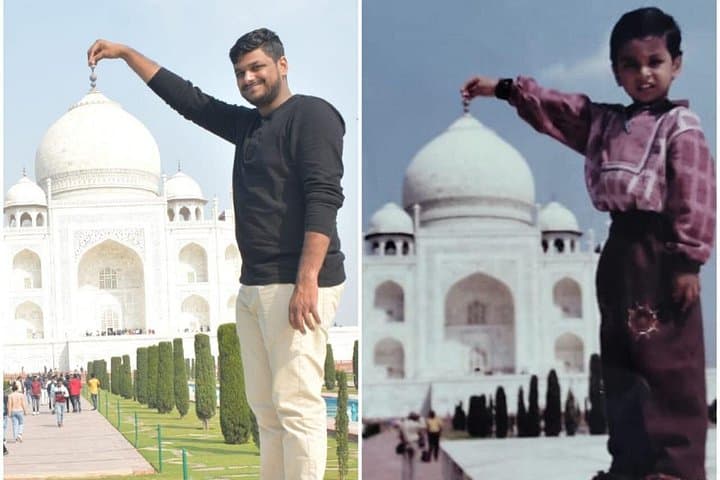

A pre-dawn drive out of Delhi unfurls into farmland and yellow mustard fields; the highway narrows, the city noise thins, and the first silhouette of the Taj Mahal appears against the pale sky. Visitors on a private car day trip arrive with time and flexibility to watch the monument shift from cool marble blue to sunlit ivory.
A pre-dawn drive out of Delhi unfurls into farmland and yellow mustard fields; the highway narrows, the city noise thins, and the first silhouette of the Taj Mahal appears against the pale sky. Visitors on a private car day trip arrive with time and flexibility to watch the monument shift from cool marble blue to sunlit ivory.
The Taj Mahal, completed in the mid-17th century by Shah Jahan as a mausoleum for Mumtaz Mahal, sits opposite the winding Yamuna. Nearby Agra Fort—an earlier Mughal citadel—shows red sandstone layers of imperial expansion and military design. The tomb known as Itmad-ud-Daula, often called the Baby Taj, highlights micro-mosaic inlay work and the region’s long tradition of marble craft sourced largely from Makrana quarries.
This private outing combines cultural context with practical routing: a driver navigates the 3–4 hour highway each way, a local guide leads through security and explains architectural motifs, and brief stops at viewpoints like Mehtab Bagh give alternate river-facing photo angles. Expect paved walkways, stone steps, and crowded peak hours; conservation measures limit vehicle access near the gate and enforce bag checks.
Plan for early starts to avoid heat and queues, wear sturdy shoes for uneven courtyard stones, and keep water and sun protection on hand. Respect dress norms for religious sites, use designated photo zones, and carry small change for toilets and tips. With a private car and guide, the day balances brisk travel with the deliberate pace needed to read the stones, the river, and the history that shaped Agra.