THE ADVENTURE COLLECTIVE® · Independent discovery and booking for outdoor travel

A private day trip from Delhi that pairs the Taj Mahal’s immaculate marble with the red‑sandstone grandeur of Agra Fort. This guided tour balances historical depth with practical logistics—perfect for first‑time visitors who want focused context and smooth transport.
A private day trip from Delhi that pairs the Taj Mahal’s immaculate marble with the red‑sandstone grandeur of Agra Fort. This guided tour balances historical depth with practical logistics—perfect for first‑time visitors who want focused context and smooth transport.
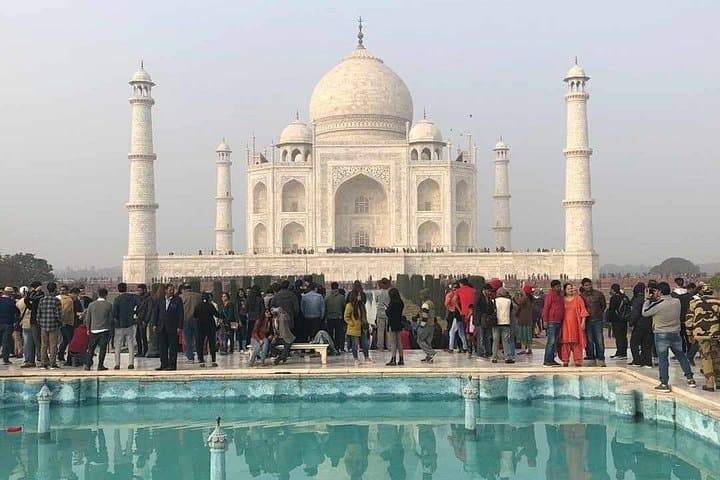
You step out of the air‑conditioned car onto the white marble forecourt and the sunlight seems to test every carved surface—bright, deliberate, and unblinking. The Yamuna slips by like a dark ribbon behind the mausoleum, daring you to measure the distance between grief and grandeur.
Verified experiences and guided adventures in the surrounding area.
Operated by Khera Tour & Travels · Agra, Uttar Pradesh
You step out of the air‑conditioned car onto the white marble forecourt and the sunlight seems to test every carved surface—bright, deliberate, and unblinking. The Yamuna slips by like a dark ribbon behind the mausoleum, daring you to measure the distance between grief and grandeur.
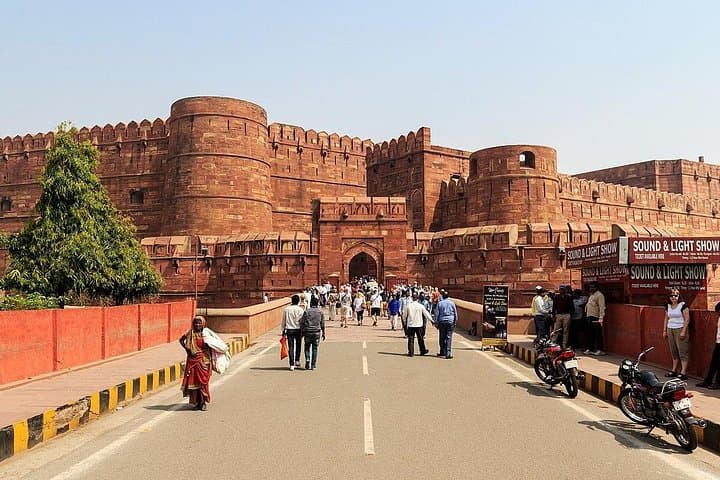
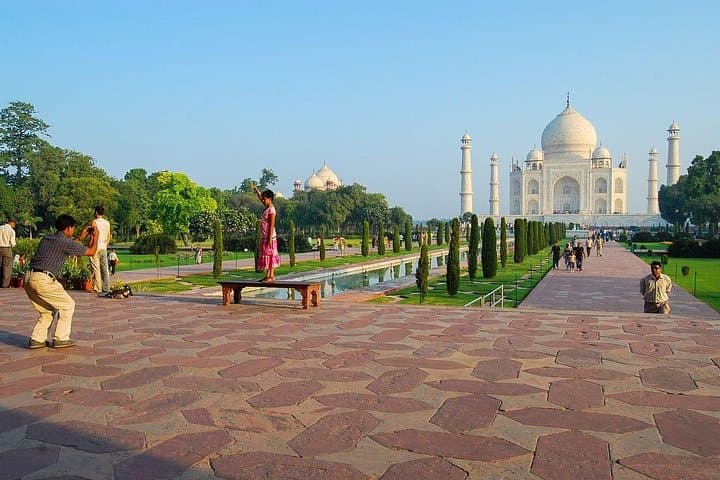
Constructed beginning in 1632 by Shah Jahan, the Taj Mahal crowns a 17‑hectare complex that includes a mosque, guesthouse and formal gardens; each element reflects Mughal geometry and an obsession with symmetry. Across the city, Agra Fort opens as a fortified palace of red sandstone where emperors once moved between courts and battlements. The geology here is simple: alluvial plains of the Yamuna support clay and loam soils while the region’s monuments rely on transported Makrana marble and red sandstone—materials that require ongoing conservation in the face of pollution and river changes.
Culturally, the sites remain active parts of local life: vendors, caretakers and guide‑families have woven centuries of storytelling into the visits. Your private guide will translate Mughal court politics into tangible scenes—imperial marches, palace intrigue, and the trade networks that funded such monuments.
Practical guidance: expect security checks and shoe covers at the Taj; wear comfortable walking shoes and sun protection, carry a refillable bottle, and plan arrival for early morning or late afternoon to avoid crowds and harsh light. If you choose the all‑inclusive option, entrance fees are handled for you; otherwise buy tickets in advance. With a private guide and an air‑conditioned car, the day is paced, informative and suited to travelers of most fitness levels.
If you choose the all‑inclusive upgrade the guide will handle entrance fees; otherwise buy tickets online or pay on arrival subject to availability.
Road time varies with traffic but typically 3–4 hours each way; expect the full excursion to take about 7–8 hours including sightseeing.
The Taj is closed on Fridays for prayer; plan your day trip on other weekdays or weekends accordingly.
Pickup/dropoff and bottled water are commonly included; meal stops depend on the operator and can be arranged on request.
Khera Tour & Travels operates guided outdoor trips and adventures with an emphasis on safety, stewardship, and memorable experiences.
You step out of the air‑conditioned car onto the white marble forecourt and the sunlight seems to test every carved surface—bright, deliberate, and unblinking. The Yamuna slips by like a dark ribbon behind the mausoleum, daring you to measure the distance between grief and grandeur.
You step out of the air‑conditioned car onto the white marble forecourt and the sunlight seems to test every carved surface—bright, deliberate, and unblinking. The Yamuna slips by like a dark ribbon behind the mausoleum, daring you to measure the distance between grief and grandeur.
Constructed beginning in 1632 by Shah Jahan, the Taj Mahal crowns a 17‑hectare complex that includes a mosque, guesthouse and formal gardens; each element reflects Mughal geometry and an obsession with symmetry. Across the city, Agra Fort opens as a fortified palace of red sandstone where emperors once moved between courts and battlements. The geology here is simple: alluvial plains of the Yamuna support clay and loam soils while the region’s monuments rely on transported Makrana marble and red sandstone—materials that require ongoing conservation in the face of pollution and river changes.
Culturally, the sites remain active parts of local life: vendors, caretakers and guide‑families have woven centuries of storytelling into the visits. Your private guide will translate Mughal court politics into tangible scenes—imperial marches, palace intrigue, and the trade networks that funded such monuments.
Practical guidance: expect security checks and shoe covers at the Taj; wear comfortable walking shoes and sun protection, carry a refillable bottle, and plan arrival for early morning or late afternoon to avoid crowds and harsh light. If you choose the all‑inclusive option, entrance fees are handled for you; otherwise buy tickets in advance. With a private guide and an air‑conditioned car, the day is paced, informative and suited to travelers of most fitness levels.