THE ADVENTURE COLLECTIVE® · Independent discovery and booking for outdoor travel

A private, air-conditioned day trip from Delhi puts you at the Taj Mahal and Agra Fort with time to explore at your own pace. Expect a 10–12 hour outing with guided visits, hotel pickup/drop-off, and practical tips for timing, tickets, and staying comfortable.
A private, air-conditioned day trip from Delhi puts you at the Taj Mahal and Agra Fort with time to explore at your own pace. Expect a 10–12 hour outing with guided visits, hotel pickup/drop-off, and practical tips for timing, tickets, and staying comfortable.
You wake before dawn, the car’s climate control humming as Delhi’s lights thin and the Yamuna Expressway unfurls ahead—flat fields punctuated by water tanks and refinery stacks. Three hours later, the white silhouette of the Taj Mahal appears over the trees, its marble minarets catching the first pale light and cutting a clear, almost architectural line against the sky.
Verified experiences and guided adventures in the surrounding area.
Operated by Joyful Holidays · Agra, Uttar Pradesh
You wake before dawn, the car’s climate control humming as Delhi’s lights thin and the Yamuna Expressway unfurls ahead—flat fields punctuated by water tanks and refinery stacks. Three hours later, the white silhouette of the Taj Mahal appears over the trees, its marble minarets catching the first pale light and cutting a clear, almost architectural line against the sky.
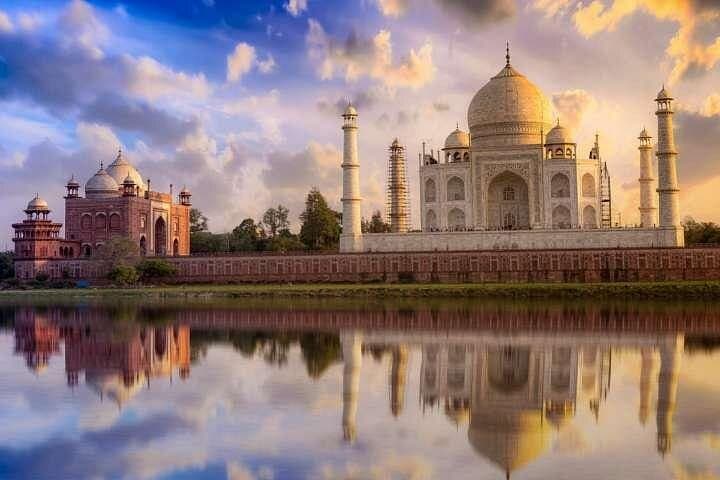
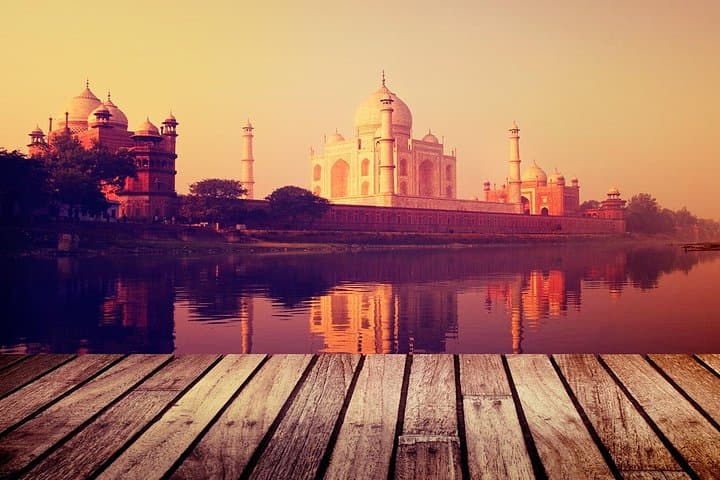
Built in the 17th century by Shah Jahan, the Taj Mahal is both mausoleum and message: Makrana marble, carved pietra dura inlay, and strict axial symmetry shaped a monument to Mughal aesthetic and political power. Geologically, the structure owes its luminosity to high-quality marble from Rajasthan; the site’s relationship with the Yamuna River was strategic, providing the reflective pool that amplifies the tomb’s presence.
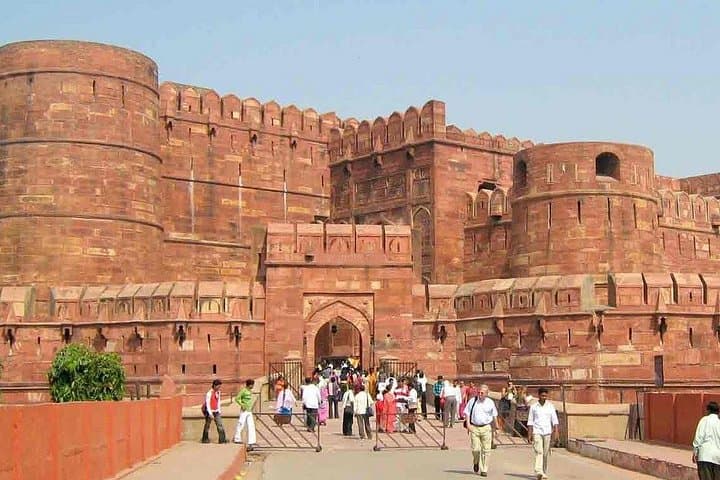
Agra’s culture still revolves around crafts and cuisine—stone inlay workshops, hammered brass, and petha sweets sold near the fort—while the Agra Fort and the quieter Itmad-ud-Daulah (the “Baby Taj”) put the Taj in historical context.
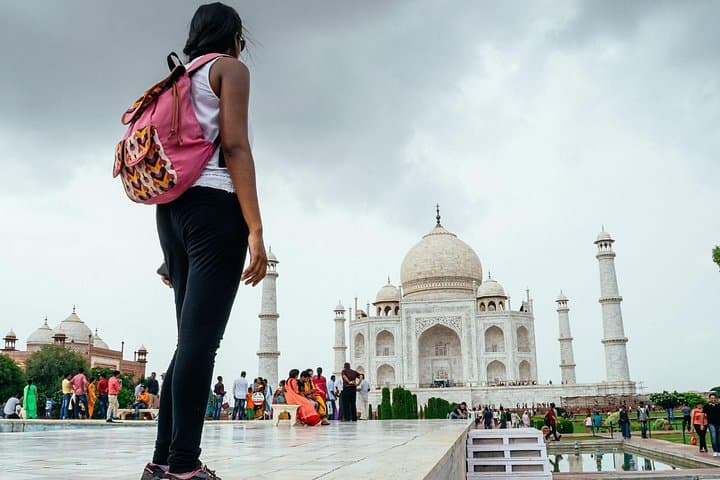
Practical guidance: plan a sunrise visit to avoid midday crowds and heat, and allow 10–12 hours for the round trip from Delhi. The inner mausoleum has controlled access and may require separate timing; shoes must be removed or shoe covers used. Bring a government ID for ticketing, stay hydrated (packaged water is typically provided on private tours), and wear closed-toe walking shoes for cobbled pathways.
A private car tour offers pace control and shade on the long drive—use that comfort to time your photography for soft light and to soak in the architecture with fewer people in frame.
This depends on your booking option; check whether your tour lists ‘entrance fees included’—some all-inclusive packages cover monument tickets, others do not.
Yes, the inner chamber is accessible but entry is regulated and may involve timed queues or a separate ticket; confirm with your guide on the day.
The Yamuna Expressway shortens the drive to roughly 3–3.5 hours each way under normal traffic conditions—plan for a full-day schedule.
Photography is allowed at most external areas; the inner mausoleum has restrictions (no large tripods, and flash/close-up rules can apply), so follow onsite signage and guide instructions.
Joyful Holidays operates guided outdoor trips and adventures with an emphasis on safety, stewardship, and memorable experiences.
You wake before dawn, the car’s climate control humming as Delhi’s lights thin and the Yamuna Expressway unfurls ahead—flat fields punctuated by water tanks and refinery stacks. Three hours later, the white silhouette of the Taj Mahal appears over the trees, its marble minarets catching the first pale light and cutting a clear, almost architectural line against the sky.
You wake before dawn, the car’s climate control humming as Delhi’s lights thin and the Yamuna Expressway unfurls ahead—flat fields punctuated by water tanks and refinery stacks. Three hours later, the white silhouette of the Taj Mahal appears over the trees, its marble minarets catching the first pale light and cutting a clear, almost architectural line against the sky.
Built in the 17th century by Shah Jahan, the Taj Mahal is both mausoleum and message: Makrana marble, carved pietra dura inlay, and strict axial symmetry shaped a monument to Mughal aesthetic and political power. Geologically, the structure owes its luminosity to high-quality marble from Rajasthan; the site’s relationship with the Yamuna River was strategic, providing the reflective pool that amplifies the tomb’s presence.
Agra’s culture still revolves around crafts and cuisine—stone inlay workshops, hammered brass, and petha sweets sold near the fort—while the Agra Fort and the quieter Itmad-ud-Daulah (the “Baby Taj”) put the Taj in historical context.
Practical guidance: plan a sunrise visit to avoid midday crowds and heat, and allow 10–12 hours for the round trip from Delhi. The inner mausoleum has controlled access and may require separate timing; shoes must be removed or shoe covers used. Bring a government ID for ticketing, stay hydrated (packaged water is typically provided on private tours), and wear closed-toe walking shoes for cobbled pathways.
A private car tour offers pace control and shade on the long drive—use that comfort to time your photography for soft light and to soak in the architecture with fewer people in frame.