THE ADVENTURE COLLECTIVE® · Independent discovery and booking for outdoor travel

Step onto the slopes of a working Sri Lankan tea estate for a private, hands-on plucking session and a guided tour of the factory where Ceylon tea is made. Learn technique, taste fresh brews, and return to Nuwara Eliya within a half day.
Step onto the slopes of a working Sri Lankan tea estate for a private, hands-on plucking session and a guided tour of the factory where Ceylon tea is made. Learn technique, taste fresh brews, and return to Nuwara Eliya within a half day.
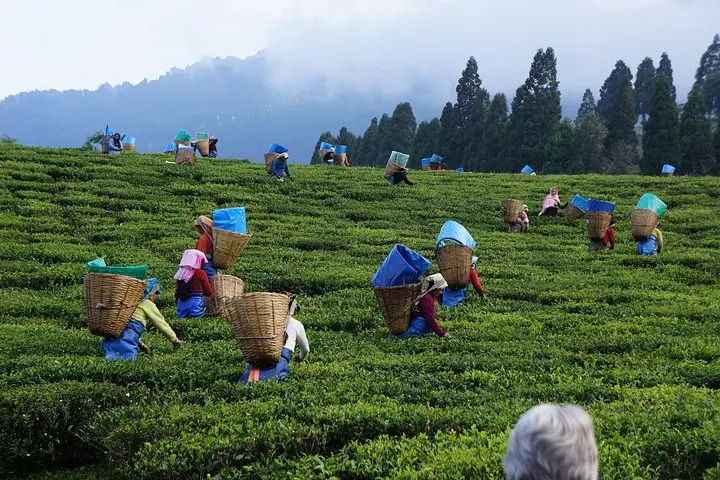
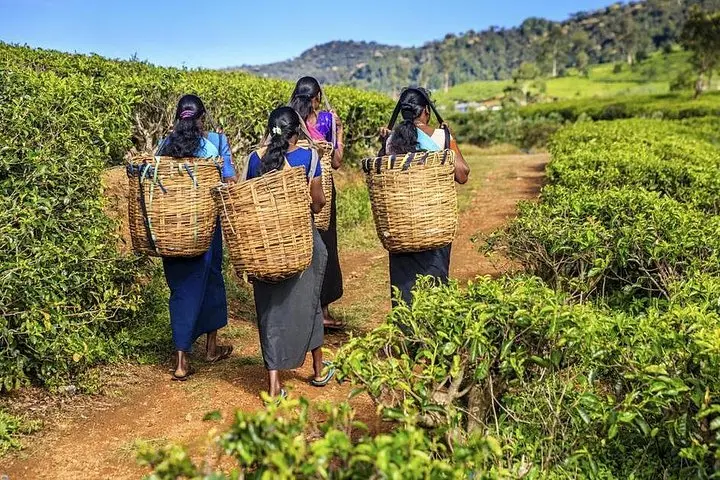
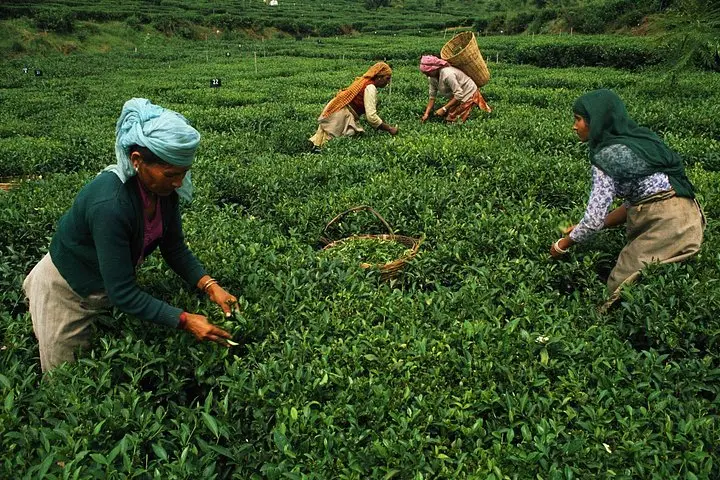
Dawn in the Sri Lankan highlands arrives like a slow exhale: cool air lifts from stepped tea rows and the estate workers move with practiced rhythm, shears in hand. On this private half-day tour from Nuwara Eliya you join that rhythm—walking the dew-slick slopes, learning to select the tender two leaves and a bud, then following those leaves into the steaming economy of the factory.
Verified experiences and guided adventures in the surrounding area.
Operated by Beyond Escapes · Nuwara Eliya, Central Province
Dawn in the Sri Lankan highlands arrives like a slow exhale: cool air lifts from stepped tea rows and the estate workers move with practiced rhythm, shears in hand. On this private half-day tour from Nuwara Eliya you join that rhythm—walking the dew-slick slopes, learning to select the tender two leaves and a bud, then following those leaves into the steaming economy of the factory.
Tea here is geology and history in a cup. British planters converted broken forests into contour-planted estates after the 19th-century coffee blight; the mineral-rich red-brown soils and elevation (roughly 1,800–2,100 m in the Nuwara Eliya region) make Ceylon tea bright and brisk. Beyond technique, the visit reveals local culture: small lines of worker cottages, tea-shop banter, and the cadence of plucking that still schedules rural life.
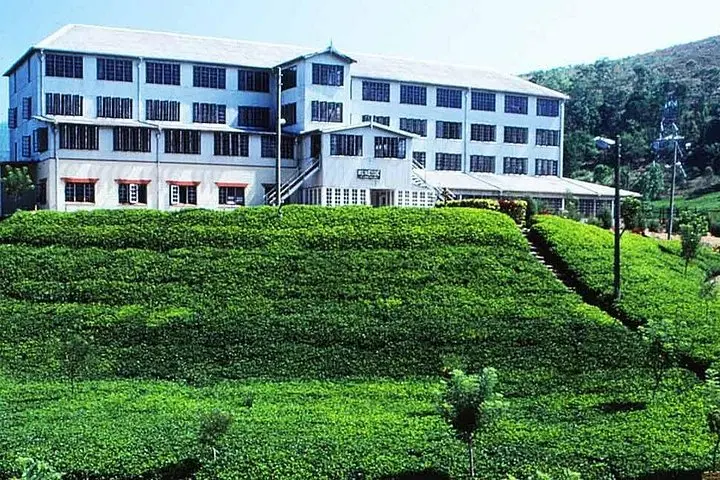
The factory tour breaks production into clear stages—wither, roll, oxidize, dry—and usually ends with a tasting of fresh Ceylon brews. Practicalities matter: expect muddy paths, short steep sections through fields, and close quarters in the processing rooms. Wear closed-toe shoes, bring a light rain layer, and plan for early pickup and mid-morning return.
This is a tactile, low-impact adventure—hands-on for a short stretch, interpretive for the rest. It’s ideal for travelers who want context with their cup: the land that grows the tea, the people who pick it, and the machines that turn leaf into the world’s most exported brew.
Yes—pickup and drop-off in Nuwara Eliya hotels is included in the tour price.
Children can take part but must be supervised; child rates apply only when sharing with two paying adults.
Yes—the guided factory visit includes a tasting of freshly processed Ceylon tea.
The tour is rated easy, but it involves uneven and sloped terrain in the plantation; accessibility inside the factory may be limited.
Beyond Escapes operates guided outdoor trips and adventures with an emphasis on safety, stewardship, and memorable experiences.
Dawn in the Sri Lankan highlands arrives like a slow exhale: cool air lifts from stepped tea rows and the estate workers move with practiced rhythm, shears in hand. On this private half-day tour from Nuwara Eliya you join that rhythm—walking the dew-slick slopes, learning to select the tender two leaves and a bud, then following those leaves into the steaming economy of the factory.
Dawn in the Sri Lankan highlands arrives like a slow exhale: cool air lifts from stepped tea rows and the estate workers move with practiced rhythm, shears in hand. On this private half-day tour from Nuwara Eliya you join that rhythm—walking the dew-slick slopes, learning to select the tender two leaves and a bud, then following those leaves into the steaming economy of the factory.
Tea here is geology and history in a cup. British planters converted broken forests into contour-planted estates after the 19th-century coffee blight; the mineral-rich red-brown soils and elevation (roughly 1,800–2,100 m in the Nuwara Eliya region) make Ceylon tea bright and brisk. Beyond technique, the visit reveals local culture: small lines of worker cottages, tea-shop banter, and the cadence of plucking that still schedules rural life.
The factory tour breaks production into clear stages—wither, roll, oxidize, dry—and usually ends with a tasting of fresh Ceylon brews. Practicalities matter: expect muddy paths, short steep sections through fields, and close quarters in the processing rooms. Wear closed-toe shoes, bring a light rain layer, and plan for early pickup and mid-morning return.
This is a tactile, low-impact adventure—hands-on for a short stretch, interpretive for the rest. It’s ideal for travelers who want context with their cup: the land that grows the tea, the people who pick it, and the machines that turn leaf into the world’s most exported brew.