THE ADVENTURE COLLECTIVE® · Independent discovery and booking for outdoor travel

Move at your own pace through the political heart of modern China and the imperial core that preceded it. This private, ticketed tour pairs skip-the-line convenience with a guide who explains architecture, ritual and the practicalities of visiting Beijing’s most visited sites.
Move at your own pace through the political heart of modern China and the imperial core that preceded it. This private, ticketed tour pairs skip-the-line convenience with a guide who explains architecture, ritual and the practicalities of visiting Beijing’s most visited sites.
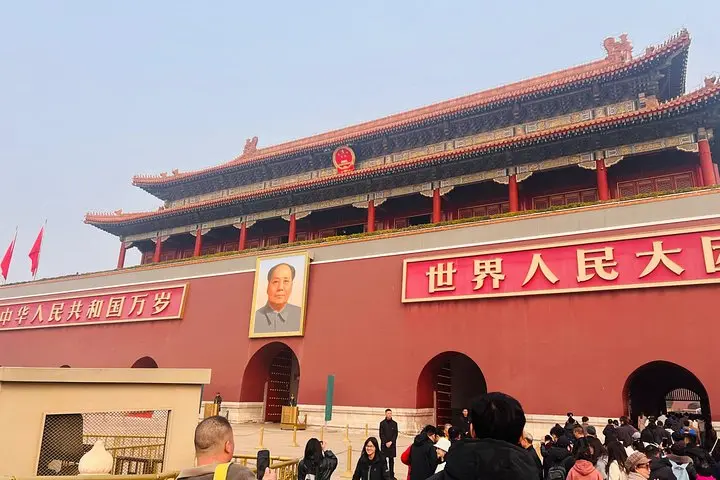
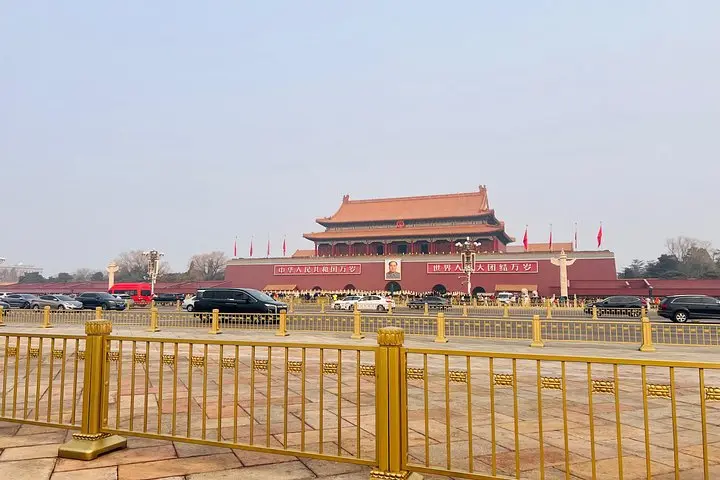
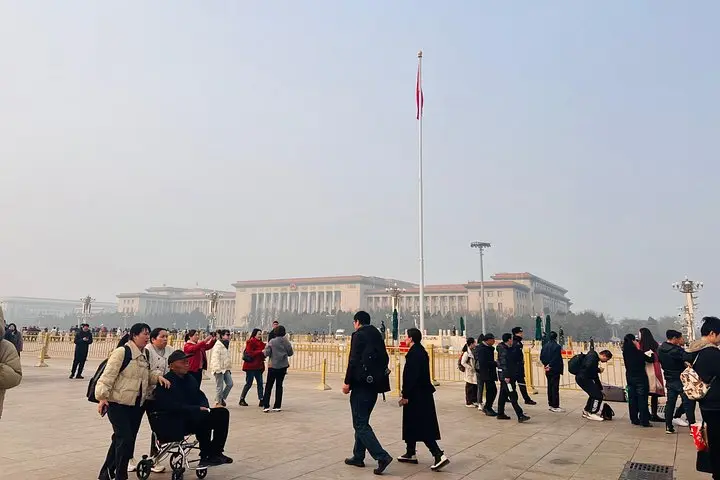
You step out of your hotel lobby and the city’s axis pulls you forward: wide paving opens into Tiananmen Square, its low winter light catching the pale stone and the raised silhouette of the Monument to the People’s Heroes. The square feels deliberate — a public room that measures power in meters and memory.
Verified experiences and guided adventures in the surrounding area.
Operated by China Fun Tours · Beijing, Beijing
You step out of your hotel lobby and the city’s axis pulls you forward: wide paving opens into Tiananmen Square, its low winter light catching the pale stone and the raised silhouette of the Monument to the People’s Heroes. The square feels deliberate — a public room that measures power in meters and memory.
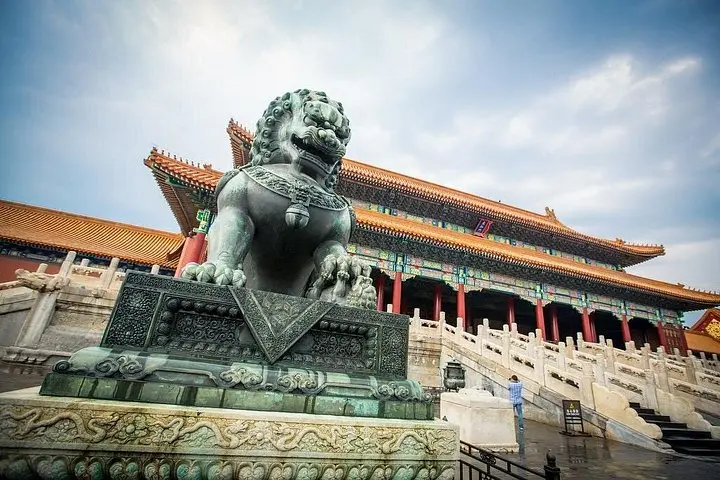
A short walk leads to the Meridian Gate and into the Forbidden City, a walled compound built under the Yongle Emperor in the early 15th century. Over 900 buildings cluster on brick courtyards and raised marble platforms; the Hall of Supreme Harmony presides like a strict host while the quieter Imperial Garden offers shaded pavilions and clipped trees. The layout follows Beijing’s north–south central axis, a geometric idea carved into the flat North China Plain rather than hewn from dramatic geology.
Culturally this tour threads imperial ritual, Confucian order and modern state symbolism — from the emperor’s throne to the distant flags over Tiananmen. Guides put buildings in context: palace protocol, the lives of servants and the palace’s role through Ming and Qing dynasties into the 20th century.
Practicalities matter: book at least eight days ahead for guaranteed palace tickets; expect security screening and bag checks. The private format lets you linger at courtyards, step off the busiest routes and finish at the north gate for Jingshan Park views. Wear sturdy walking shoes for stone steps, carry water and your passport for admission, and plan for 3–4 hours to move at an unhurried pace. Early morning slots reduce crowds and give the red walls soft light for photos.
Yes—your passport is required for ticketing and identity checks when visiting the Forbidden City.
The tour notes wheelchair accessibility, but some palace areas have stone steps—check with the operator in advance for specific route adjustments.
Book at least eight days ahead to secure official Forbidden City tickets; booking closer may require queuing at ticket offices.
Photography is generally allowed in outdoor courtyards but restricted in certain exhibitions and treasure halls—follow posted signs and guide instructions.
China Fun Tours operates guided outdoor trips and adventures with an emphasis on safety, stewardship, and memorable experiences.
You step out of your hotel lobby and the city’s axis pulls you forward: wide paving opens into Tiananmen Square, its low winter light catching the pale stone and the raised silhouette of the Monument to the People’s Heroes. The square feels deliberate — a public room that measures power in meters and memory.
You step out of your hotel lobby and the city’s axis pulls you forward: wide paving opens into Tiananmen Square, its low winter light catching the pale stone and the raised silhouette of the Monument to the People’s Heroes. The square feels deliberate — a public room that measures power in meters and memory.
A short walk leads to the Meridian Gate and into the Forbidden City, a walled compound built under the Yongle Emperor in the early 15th century. Over 900 buildings cluster on brick courtyards and raised marble platforms; the Hall of Supreme Harmony presides like a strict host while the quieter Imperial Garden offers shaded pavilions and clipped trees. The layout follows Beijing’s north–south central axis, a geometric idea carved into the flat North China Plain rather than hewn from dramatic geology.
Culturally this tour threads imperial ritual, Confucian order and modern state symbolism — from the emperor’s throne to the distant flags over Tiananmen. Guides put buildings in context: palace protocol, the lives of servants and the palace’s role through Ming and Qing dynasties into the 20th century.
Practicalities matter: book at least eight days ahead for guaranteed palace tickets; expect security screening and bag checks. The private format lets you linger at courtyards, step off the busiest routes and finish at the north gate for Jingshan Park views. Wear sturdy walking shoes for stone steps, carry water and your passport for admission, and plan for 3–4 hours to move at an unhurried pace. Early morning slots reduce crowds and give the red walls soft light for photos.