THE ADVENTURE COLLECTIVE® · Independent discovery and booking for outdoor travel

Tailor-made for fans and curious travelers alike, this private walking tour threads Akihabara, Sotokanda, and Nakano Broadway with a local who reads the otaku map. Expect insider shopping tips, themed cafés, and adaptable pacing based on your fandoms.
Tailor-made for fans and curious travelers alike, this private walking tour threads Akihabara, Sotokanda, and Nakano Broadway with a local who reads the otaku map. Expect insider shopping tips, themed cafés, and adaptable pacing based on your fandoms.
The morning light in Akihabara hits the glass and steel like a wake-up call; neon signs leer and beckon as the city’s rhythm quickens. You meet your host on foot, a local who knows which side streets keep the best secondhand figurines and where the latest gachapon lines form. The walk is compact but electric, moving from multi-level hobby stores to tucked-away cafés where themed menus lean into fandoms you can taste.
Verified experiences and guided adventures in the surrounding area.
Operated by City Unscripted · Tokyo, Tokyo
The morning light in Akihabara hits the glass and steel like a wake-up call; neon signs leer and beckon as the city’s rhythm quickens. You meet your host on foot, a local who knows which side streets keep the best secondhand figurines and where the latest gachapon lines form. The walk is compact but electric, moving from multi-level hobby stores to tucked-away cafés where themed menus lean into fandoms you can taste.
Tokyo’s otaku scene grew from post-war electronics bazaars into a global culture hub by the 1980s and 1990s, when manga, console gaming, and anime moved from niche to mainstream. Geologically flat and densely urban, these neighborhoods—Akihabara, Sotokanda, Nakano—are defined less by terrain than by vertical exploration: narrow alleys, basement shops, and multi-story malls stacked with collectibles.
Culturally the day blends commerce and community; shopkeepers, collectors, and cosplayers offer insight into fan practices and etiquette. A local host decodes price expectations, points out rare finds, and helps navigate language gaps.
Practical guidance: wear supportive shoes for several hours of standing and stair-climbing; bring a charged phone and IC transit card for short JR or subway hops; carry cash for small stalls; set expectations in the pre-tour questionnaire so your host tailors the route. Photography rules vary—ask before shooting in small shops. Start mid-morning to avoid peak commuter crushes and leave time at Nakano Broadway to hunt vintage manga or negotiate a special piece. With a guide steering logistics, you can focus on the thrill of discovery and the precise joy of finding the thing you didn’t know you’d been hunting.
Yes—the tour lists wheelchair and stroller accessibility, but accessibility can vary between shops; discuss needs with your host ahead of time.
Hosts can meet you on foot at centrally located accommodations; confirm the pickup point when booking your preferred start time.
No—this private experience covers guiding only; admissions, transport fares, and personal purchases are extra and can be discussed with your host.
Yes—the host uses a pre-tour questionnaire to tailor the route and focus on specific anime, gaming, or collectible interests.
City Unscripted operates guided outdoor trips and adventures with an emphasis on safety, stewardship, and memorable experiences.
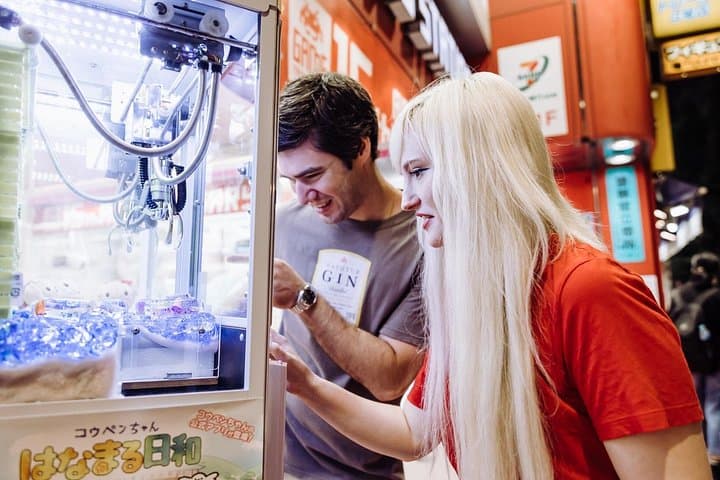
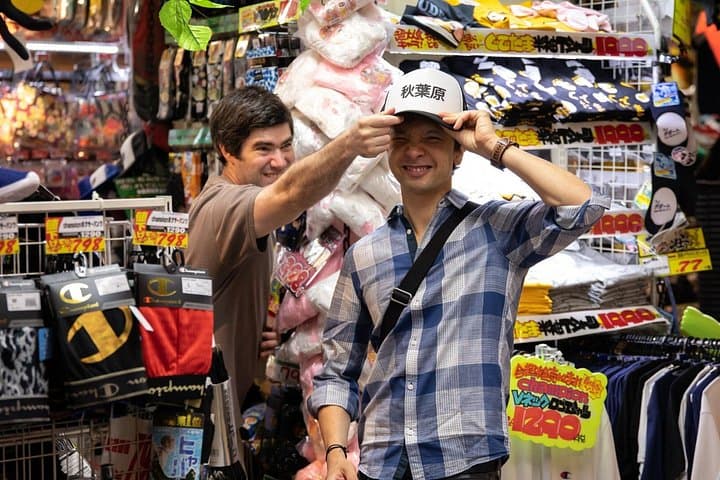
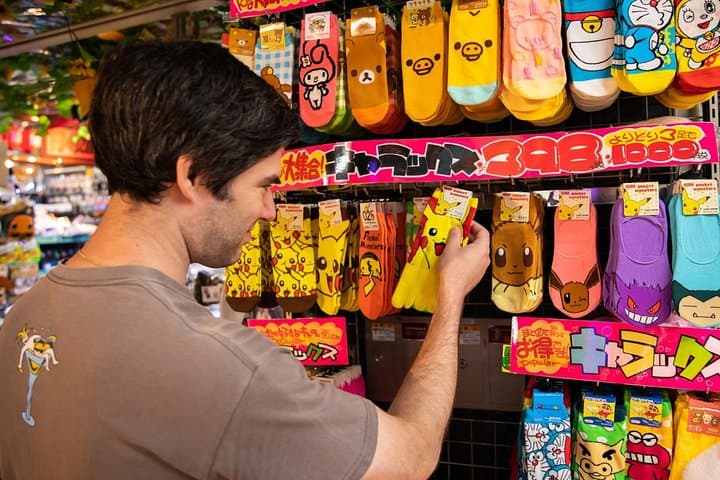

The morning light in Akihabara hits the glass and steel like a wake-up call; neon signs leer and beckon as the city’s rhythm quickens. You meet your host on foot, a local who knows which side streets keep the best secondhand figurines and where the latest gachapon lines form. The walk is compact but electric, moving from multi-level hobby stores to tucked-away cafés where themed menus lean into fandoms you can taste.
The morning light in Akihabara hits the glass and steel like a wake-up call; neon signs leer and beckon as the city’s rhythm quickens. You meet your host on foot, a local who knows which side streets keep the best secondhand figurines and where the latest gachapon lines form. The walk is compact but electric, moving from multi-level hobby stores to tucked-away cafés where themed menus lean into fandoms you can taste.
Tokyo’s otaku scene grew from post-war electronics bazaars into a global culture hub by the 1980s and 1990s, when manga, console gaming, and anime moved from niche to mainstream. Geologically flat and densely urban, these neighborhoods—Akihabara, Sotokanda, Nakano—are defined less by terrain than by vertical exploration: narrow alleys, basement shops, and multi-story malls stacked with collectibles.
Culturally the day blends commerce and community; shopkeepers, collectors, and cosplayers offer insight into fan practices and etiquette. A local host decodes price expectations, points out rare finds, and helps navigate language gaps.
Practical guidance: wear supportive shoes for several hours of standing and stair-climbing; bring a charged phone and IC transit card for short JR or subway hops; carry cash for small stalls; set expectations in the pre-tour questionnaire so your host tailors the route. Photography rules vary—ask before shooting in small shops. Start mid-morning to avoid peak commuter crushes and leave time at Nakano Broadway to hunt vintage manga or negotiate a special piece. With a guide steering logistics, you can focus on the thrill of discovery and the precise joy of finding the thing you didn’t know you’d been hunting.