THE ADVENTURE COLLECTIVE® · Independent discovery and booking for outdoor travel

Move from Tsukiji's clamour to the hush of Meiji Shrine with a private guide who threads Tokyo's history and neighborhoods into a focused two-hour walk. Ideal for first-time visitors who want context, local flavor, and shortcuts through the city's busiest spots.
Move from Tsukiji's clamour to the hush of Meiji Shrine with a private guide who threads Tokyo's history and neighborhoods into a focused two-hour walk. Ideal for first-time visitors who want context, local flavor, and shortcuts through the city's busiest spots.
Stand beneath the great red lantern of Senso-ji and let the city's pace rearrange itself: street vendors calling, neon rising above narrow lanes, and guides steering you through a map that feels alive.
Verified experiences and guided adventures in the surrounding area.
Operated by Guydeez · Tokyo, Tokyo
Stand beneath the great red lantern of Senso-ji and let the city's pace rearrange itself: street vendors calling, neon rising above narrow lanes, and guides steering you through a map that feels alive.
On a two-hour private walking tour, a local guide stitches Tsukiji Outer Market's clamour to the hush of Meiji Shrine and the electric alleys of Akihabara, offering context as you move between cooks' knives, torii gates, and glass observation decks.
Tokyo's story is layered — built on an alluvial plain shaped by the old Edo River and nearby volcanic terraces. Neighborhoods reflect waves of history: Tokugawa-era commerce in Asakusa, Meiji-era modernization around Meiji Shrine, and postwar reinvention in Ginza and Roppongi. A guide adds cultural color: temple rituals at Senso-ji, the etiquette of market bargaining, and why Ueno Park became a public museum quarter in the 19th century.
Expect rhythms of ritual and efficiency: quiet bows at shrines, precise market trade, and seamless transit navigation. The Sumida River will push you toward waterfront views; narrow side streets reveal small shrines and specialty shops that larger tours miss.
Practical guidance: wear supportive shoes for pavement and occasional stairs, carry a portable charger for photos and transit apps, and bring small change or a Suica card for convenience. Start early to avoid crowds at markets and temples; if rain threatens, a compact umbrella keeps the plan intact. This private, customizable two-hour route is compact but dense—expect cultural layers, culinary samples, and a local's perspective on a city that keeps moving forward.
Yes. The listing notes wheelchair-accessible routes and transportation; check pickup and specific stop accessibility with the operator when booking.
Yes. The tour is private and customizable—guides can adjust stops to prioritize markets, temples, or neighborhoods based on your interests.
Admissions are not included by default; the guide can provide logistics and recommendations but tickets for observation decks are separate purchases.
Language options vary by operator—many guides speak English and Japanese; confirm available languages when you book.
Guydeez operates guided outdoor trips and adventures with an emphasis on safety, stewardship, and memorable experiences.
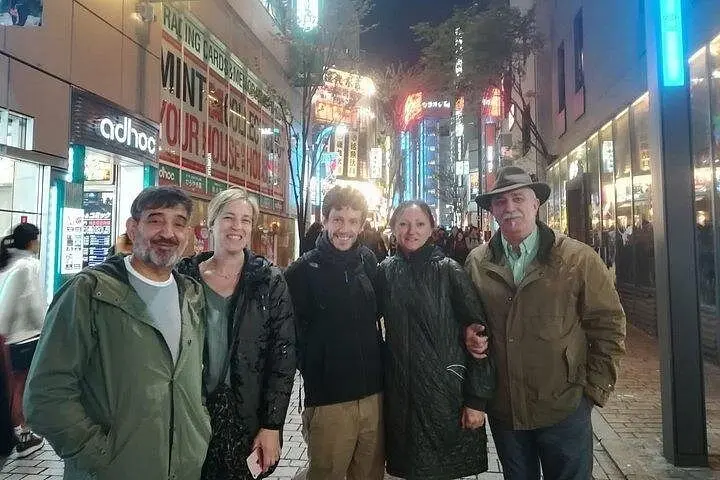
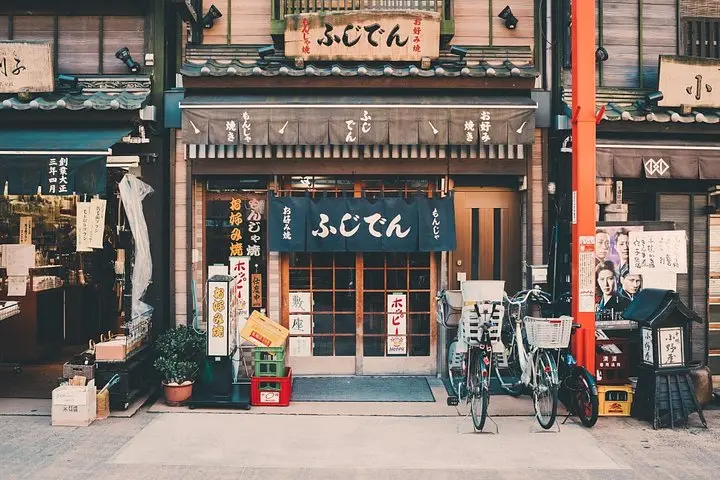
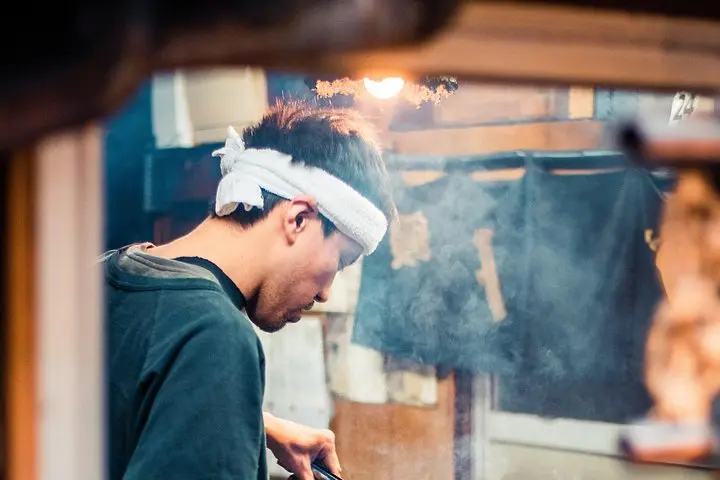
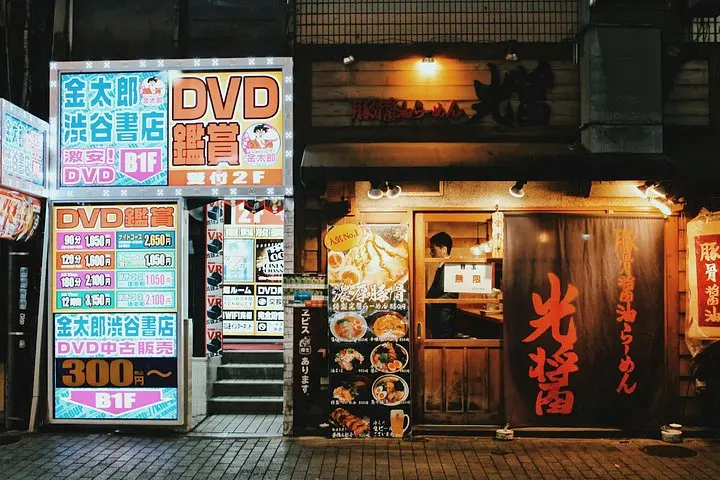
Stand beneath the great red lantern of Senso-ji and let the city's pace rearrange itself: street vendors calling, neon rising above narrow lanes, and guides steering you through a map that feels alive.
Stand beneath the great red lantern of Senso-ji and let the city's pace rearrange itself: street vendors calling, neon rising above narrow lanes, and guides steering you through a map that feels alive.
On a two-hour private walking tour, a local guide stitches Tsukiji Outer Market's clamour to the hush of Meiji Shrine and the electric alleys of Akihabara, offering context as you move between cooks' knives, torii gates, and glass observation decks.
Tokyo's story is layered — built on an alluvial plain shaped by the old Edo River and nearby volcanic terraces. Neighborhoods reflect waves of history: Tokugawa-era commerce in Asakusa, Meiji-era modernization around Meiji Shrine, and postwar reinvention in Ginza and Roppongi. A guide adds cultural color: temple rituals at Senso-ji, the etiquette of market bargaining, and why Ueno Park became a public museum quarter in the 19th century.
Expect rhythms of ritual and efficiency: quiet bows at shrines, precise market trade, and seamless transit navigation. The Sumida River will push you toward waterfront views; narrow side streets reveal small shrines and specialty shops that larger tours miss.
Practical guidance: wear supportive shoes for pavement and occasional stairs, carry a portable charger for photos and transit apps, and bring small change or a Suica card for convenience. Start early to avoid crowds at markets and temples; if rain threatens, a compact umbrella keeps the plan intact. This private, customizable two-hour route is compact but dense—expect cultural layers, culinary samples, and a local's perspective on a city that keeps moving forward.