THE ADVENTURE COLLECTIVE® · Independent discovery and booking for outdoor travel

A full‑day private excursion from Rome to Padua that places you inside one of Italy’s most architecturally complex basilicas. Expect a guided, accessible visit with business‑class rail, private chauffeur service, and time to explore Padua’s historic squares.
A full‑day private excursion from Rome to Padua that places you inside one of Italy’s most architecturally complex basilicas. Expect a guided, accessible visit with business‑class rail, private chauffeur service, and time to explore Padua’s historic squares.
You step off a comfortable business‑class train and the air of northern Italy changes: cooler, peppered with the scent of bakeries and wet stone. In Padua the Basilica of St. Anthony rises with a mix of Romanesque mass and Venetian flourishes — a building that asks to be walked around slowly, its domes and portals revealing different faces from every angle.
Verified experiences and guided adventures in the surrounding area.
Operated by Rome Italy Explora · Padua, Veneto
You step off a comfortable business‑class train and the air of northern Italy changes: cooler, peppered with the scent of bakeries and wet stone. In Padua the Basilica of St. Anthony rises with a mix of Romanesque mass and Venetian flourishes — a building that asks to be walked around slowly, its domes and portals revealing different faces from every angle.
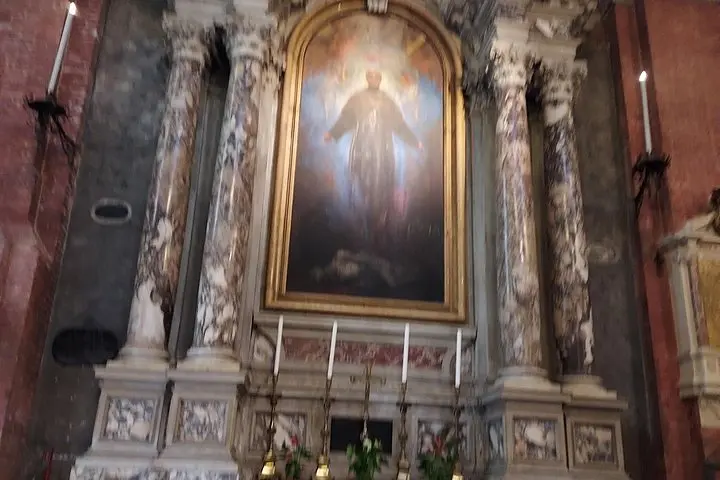
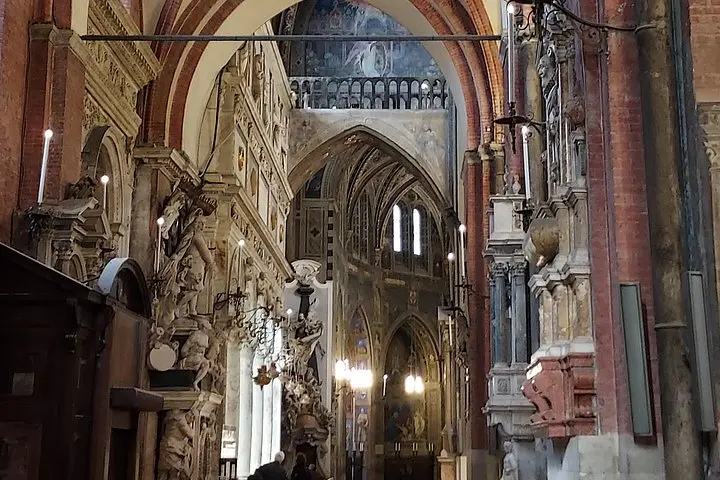
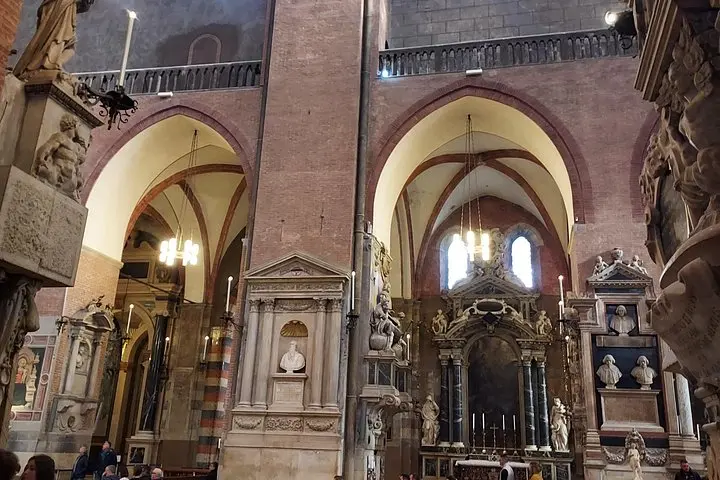
Built across the thirteenth and fourteenth centuries, the basilica holds layers of history: relics attributed to St. Anthony, carved altars by Donatello, and chapels that chart the city’s devotional life. Geology and craft meet here — local Istrian stone and Venetian marble give the facades weight while interior frescoes and gilded altars record changing tastes across centuries.
Padua itself is a university city with a pragmatic cultural pulse; the nearby botanical garden is one of Europe’s oldest, and markets crowd Piazza delle Erbe with seasonal produce. Local guides point out details the casual visitor misses: mason’s marks, donor coats of arms, and the way light moves through the nave in late afternoon.
Practical guidance: the private day trip from Rome is a long day (about 10–11 hours) including business‑class rail and private chauffeur transfer; wear comfortable shoes and modest clothing (knees and shoulders covered). The tour is wheelchair accessible but verify pickup logistics in advance. Bring water, a compact camera, and time to linger in Prato della Valle afterward — the square invites a slower pace. With planning, this private excursion turns an architectural visit into a clear, organized encounter with Padua’s living history.
The itinerary runs about 10–11 hours door to door, including business‑class train travel, guided time in the basilica, and private transfers.
Yes — the Basilica of St. Anthony and the provided transportation options are accessible, but confirm pickup details and any assistance needs when booking.
Admission to the basilica is included in the private guided visit; verify whether optional sites like the Scrovegni Chapel require separate timed tickets.
Knees and shoulders must be covered to enter church spaces; visitors wearing shorts or sleeveless tops should bring a wrap.
Rome Italy Explora operates guided outdoor trips and adventures with an emphasis on safety, stewardship, and memorable experiences.
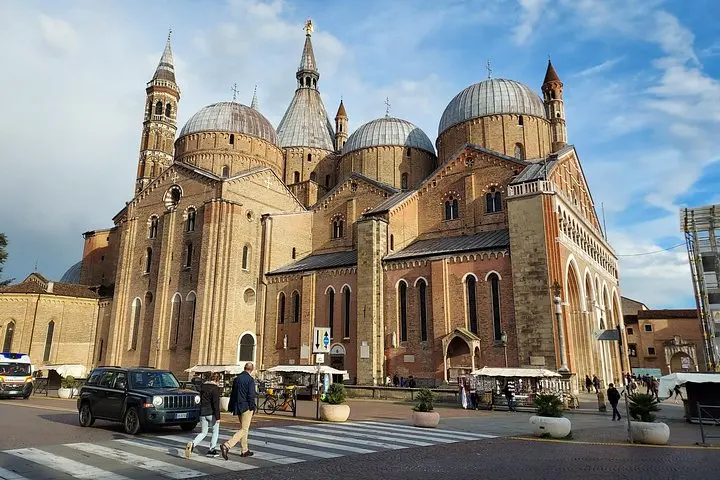
You step off a comfortable business‑class train and the air of northern Italy changes: cooler, peppered with the scent of bakeries and wet stone. In Padua the Basilica of St. Anthony rises with a mix of Romanesque mass and Venetian flourishes — a building that asks to be walked around slowly, its domes and portals revealing different faces from every angle.
You step off a comfortable business‑class train and the air of northern Italy changes: cooler, peppered with the scent of bakeries and wet stone. In Padua the Basilica of St. Anthony rises with a mix of Romanesque mass and Venetian flourishes — a building that asks to be walked around slowly, its domes and portals revealing different faces from every angle.
Built across the thirteenth and fourteenth centuries, the basilica holds layers of history: relics attributed to St. Anthony, carved altars by Donatello, and chapels that chart the city’s devotional life. Geology and craft meet here — local Istrian stone and Venetian marble give the facades weight while interior frescoes and gilded altars record changing tastes across centuries.
Padua itself is a university city with a pragmatic cultural pulse; the nearby botanical garden is one of Europe’s oldest, and markets crowd Piazza delle Erbe with seasonal produce. Local guides point out details the casual visitor misses: mason’s marks, donor coats of arms, and the way light moves through the nave in late afternoon.
Practical guidance: the private day trip from Rome is a long day (about 10–11 hours) including business‑class rail and private chauffeur transfer; wear comfortable shoes and modest clothing (knees and shoulders covered). The tour is wheelchair accessible but verify pickup logistics in advance. Bring water, a compact camera, and time to linger in Prato della Valle afterward — the square invites a slower pace. With planning, this private excursion turns an architectural visit into a clear, organized encounter with Padua’s living history.