THE ADVENTURE COLLECTIVE® · Independent discovery and booking for outdoor travel

Descend from Tirana into the Erzeni Canyon for a private half‑day that pairs a guided limestone hike with a cool exploration of the Cave of Pellumbas. Expect karst formations, prehistoric traces, and sweeping canyon viewpoints—plus practical logistics for hikers.
Descend from Tirana into the Erzeni Canyon for a private half‑day that pairs a guided limestone hike with a cool exploration of the Cave of Pellumbas. Expect karst formations, prehistoric traces, and sweeping canyon viewpoints—plus practical logistics for hikers.
You step out of the air‑conditioned van into a dry, sun‑heated fold of limestone and the canyon closes behind you like an exhale. Shrubland and pine cling to steep walls; a gullies’ wind seems to dare you forward. The trail drops toward a narrow ribbon of the Erzeni river and, in minutes, the mouth of the Cave of Pellumbas yawns above the scrub—a high, dim throat of stone promising cool air and ancient echoes.
Verified experiences and guided adventures in the surrounding area.
Operated by TE STELA TOURS · Pellumbas, Tirana County
You step out of the air‑conditioned van into a dry, sun‑heated fold of limestone and the canyon closes behind you like an exhale. Shrubland and pine cling to steep walls; a gullies’ wind seems to dare you forward. The trail drops toward a narrow ribbon of the Erzeni river and, in minutes, the mouth of the Cave of Pellumbas yawns above the scrub—a high, dim throat of stone promising cool air and ancient echoes.
The cave has a compact theatricality: low passages that funnel into chambers hung with stalactites and columns, microforms of karst relief that the guide will point out—dripstone curtains, popcorn calcite, and fragile soda straws. Archaeologists have recovered evidence of human use stretching back into prehistory—stone tools and traces of former hearths—so the rock feels partly architectural, partly archive. Above, the canyon records a different story: the Erzeni has been chiseling these ridges for millennia, leaving terraces and benches that make for quick viewpoints and sudden, wide panoramas of the surrounding hills.
Geology here is blunt and patient. The limestone gives, water carves, and caves form where solution follows fracture. Culturally, Pellumbas sits alongside small villages where subsistence farming and seasonal shepherding still shape the day; you may pass shepherds and dry stone walls on the approach, and the guides often point out local plants used for tea and forage.
The private tour offers a clean, practical way to experience the canyon and cave in one half‑day: pickup in Tirana, a scenic drive of roughly 30–45 minutes, then a 3–4 hour guided hike and cave visit, with bottled water and transport included. Expect uneven, often rocky terrain and short steep pitches—hiking boots and a steady step are worthwhile. The cave interior is cool and damp; the light is low—your guide will time the visit to avoid crowds.
Practical tips: bring layers (it’s cooler underground), a headlamp or phone light, and extra water beyond what’s provided if you sweat easily. The route is broadly accessible to fit hikers but is not suitable for travelers with significant spinal, heart, or pregnancy restrictions. Timing matters—spring and autumn bring color and comfortable hiking temperatures, summer is hot on the approach but refreshing inside the cave, and winter can be muddy and slick.
By the end you’ll understand why locals once used this hollow as shelter and ritual place: the cave compels a kind of attention. The day trades big alpine effort for intimate geology and a sharply framed taste of Albania’s inland landscapes—up close, tactile, and quietly relentless.
Expect about 5–6 hours total: 30–45 minutes drive each way and roughly 3–4 hours for the hike and cave visit.
Children who are steady hikers and comfortable in low light can join, but caregivers should note uneven ground and tight passages; consider age and mobility.
Basic facilities are available near pickup points and sometimes at the trailhead, but not inside the cave—plan accordingly.
Parts of the cave have low ceilings and narrow passages; if you have severe claustrophobia, inform the guide—alternatively enjoy the canyon viewpoints.
The hike is moderate with short steep sections and rocky terrain; guides recommend a reasonable fitness level and good footwear.
Entrance and transport are typically included in the booking, but small local purchases and guides’ tips are commonly paid in cash.
TE STELA TOURS operates guided outdoor trips and adventures with an emphasis on safety, stewardship, and memorable experiences.

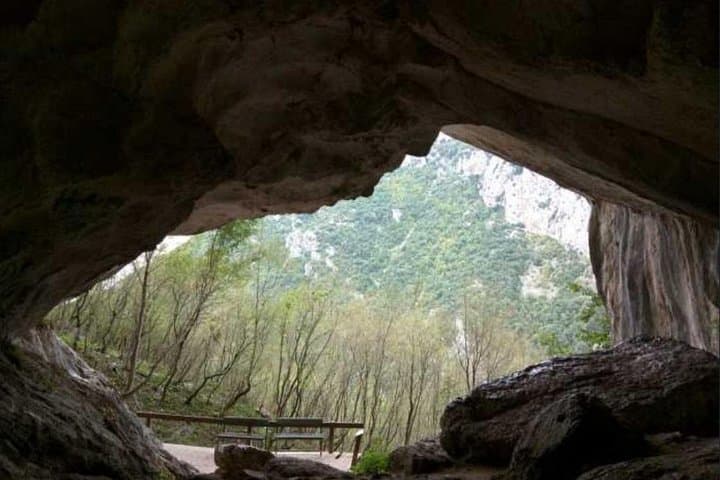


You step out of the air‑conditioned van into a dry, sun‑heated fold of limestone and the canyon closes behind you like an exhale. Shrubland and pine cling to steep walls; a gullies’ wind seems to dare you forward. The trail drops toward a narrow ribbon of the Erzeni river and, in minutes, the mouth of the Cave of Pellumbas yawns above the scrub—a high, dim throat of stone promising cool air and ancient echoes.
You step out of the air‑conditioned van into a dry, sun‑heated fold of limestone and the canyon closes behind you like an exhale. Shrubland and pine cling to steep walls; a gullies’ wind seems to dare you forward. The trail drops toward a narrow ribbon of the Erzeni river and, in minutes, the mouth of the Cave of Pellumbas yawns above the scrub—a high, dim throat of stone promising cool air and ancient echoes.
The cave has a compact theatricality: low passages that funnel into chambers hung with stalactites and columns, microforms of karst relief that the guide will point out—dripstone curtains, popcorn calcite, and fragile soda straws. Archaeologists have recovered evidence of human use stretching back into prehistory—stone tools and traces of former hearths—so the rock feels partly architectural, partly archive. Above, the canyon records a different story: the Erzeni has been chiseling these ridges for millennia, leaving terraces and benches that make for quick viewpoints and sudden, wide panoramas of the surrounding hills.
Geology here is blunt and patient. The limestone gives, water carves, and caves form where solution follows fracture. Culturally, Pellumbas sits alongside small villages where subsistence farming and seasonal shepherding still shape the day; you may pass shepherds and dry stone walls on the approach, and the guides often point out local plants used for tea and forage.
The private tour offers a clean, practical way to experience the canyon and cave in one half‑day: pickup in Tirana, a scenic drive of roughly 30–45 minutes, then a 3–4 hour guided hike and cave visit, with bottled water and transport included. Expect uneven, often rocky terrain and short steep pitches—hiking boots and a steady step are worthwhile. The cave interior is cool and damp; the light is low—your guide will time the visit to avoid crowds.
Practical tips: bring layers (it’s cooler underground), a headlamp or phone light, and extra water beyond what’s provided if you sweat easily. The route is broadly accessible to fit hikers but is not suitable for travelers with significant spinal, heart, or pregnancy restrictions. Timing matters—spring and autumn bring color and comfortable hiking temperatures, summer is hot on the approach but refreshing inside the cave, and winter can be muddy and slick.
By the end you’ll understand why locals once used this hollow as shelter and ritual place: the cave compels a kind of attention. The day trades big alpine effort for intimate geology and a sharply framed taste of Albania’s inland landscapes—up close, tactile, and quietly relentless.