THE ADVENTURE COLLECTIVE® · Independent discovery and booking for outdoor travel

A private day trip from Williamsburg to Monticello combines Jefferson’s architectural ambition with the hard history of the plantation. Expect guided house and slavery tours, garden terraces, and a gravesite visit—plan ahead for timed tickets and a full day of travel and touring.
A private day trip from Williamsburg to Monticello combines Jefferson’s architectural ambition with the hard history of the plantation. Expect guided house and slavery tours, garden terraces, and a gravesite visit—plan ahead for timed tickets and a full day of travel and touring.
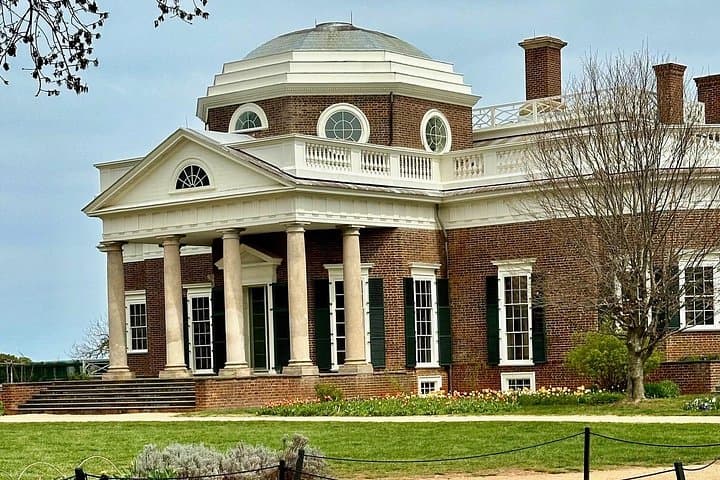
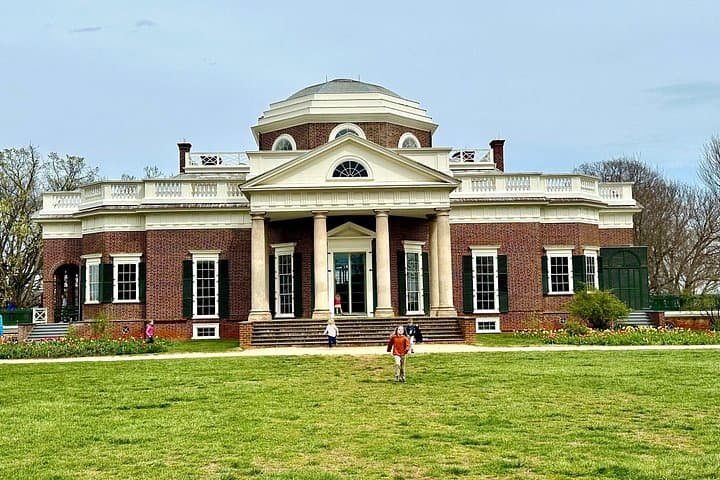
You step into a car in Williamsburg and the low ridges of Virginia roll past the window, the Piedmont hills holding long views that open as you near Monticello. The house sits high on a wooded slope above the Rivanna River, its terraces and gardens visible before the driveway winds up to the visitor center.
Verified experiences and guided adventures in the surrounding area.
Operated by Best Williamsburg Tours · Charlottesville, Virginia
You step into a car in Williamsburg and the low ridges of Virginia roll past the window, the Piedmont hills holding long views that open as you near Monticello. The house sits high on a wooded slope above the Rivanna River, its terraces and gardens visible before the driveway winds up to the visitor center.
Monticello is both architecture and argument: Jefferson’s neoclassical house and carefully designed landscape speak to Enlightenment ideals, while the plantation’s history forces a reckoning with the enslaved people—more than six hundred—who lived and labored there. Guided tours typically divide time between the house, the grounds and the dedicated slavery interpretive tours that center families like the Hemmings and Fossett.
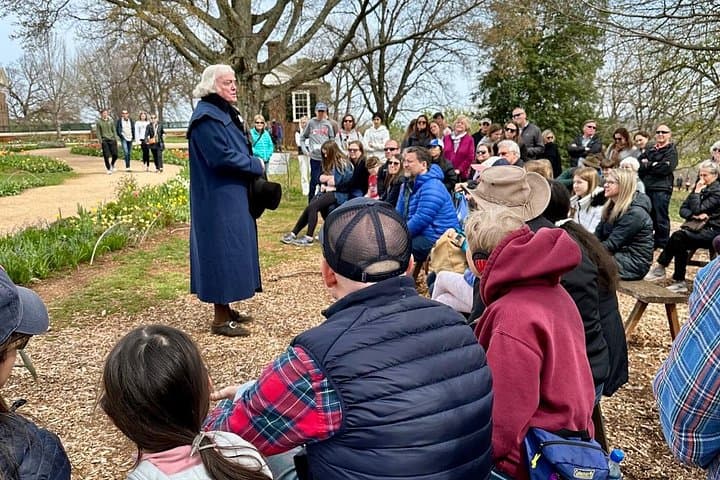
Geologically the site sits on rolling clay soils of central Virginia; the rise gives the house its long vistas and allowed Jefferson to design layered gardens and agricultural plots. Culturally, the property is a focal point for debates about memory and interpretation; presentations and costumed portrayals occasionally add theatrical context.
Practicalities matter: this private transfer from Williamsburg covers about four hours of round-trip driving with roughly 3–3.5 hours on-site for scheduled tours, presentations and a gravesite visit. Monticello requires timed tickets for most house tours, and specialty tours (Behind the Scenes) sell out quickly.
Bring sturdy shoes for gravel paths and some stairs, plan for an hour for lunch nearby if desired, and allow time for emotionally heavy but essential interpretation. Purchase Monticello tickets in advance, arrive early for grounds exploration, and expect an immersive, historically complex day that balances architectural wonder with difficult truths.
No. The tour provides transportation and guiding but Monticello timed tickets must be purchased separately—plan ahead to secure house or specialty tour spots.
The total experience runs about 8–9 hours: roughly four hours round-trip driving, about 3–3.5 hours on-site for tours and presentations, plus time for lunch.
Slavery tours present sensitive and often difficult material; parents should review Monticello's content guidance and decide based on a child’s maturity.
Monticello provides accessible options and ramps in some areas, but historic interiors have stairs—contact Monticello visitor services for specific accommodations and timed-entry details.
Best Williamsburg Tours operates guided outdoor trips and adventures with an emphasis on safety, stewardship, and memorable experiences.
You step into a car in Williamsburg and the low ridges of Virginia roll past the window, the Piedmont hills holding long views that open as you near Monticello. The house sits high on a wooded slope above the Rivanna River, its terraces and gardens visible before the driveway winds up to the visitor center.
You step into a car in Williamsburg and the low ridges of Virginia roll past the window, the Piedmont hills holding long views that open as you near Monticello. The house sits high on a wooded slope above the Rivanna River, its terraces and gardens visible before the driveway winds up to the visitor center.
Monticello is both architecture and argument: Jefferson’s neoclassical house and carefully designed landscape speak to Enlightenment ideals, while the plantation’s history forces a reckoning with the enslaved people—more than six hundred—who lived and labored there. Guided tours typically divide time between the house, the grounds and the dedicated slavery interpretive tours that center families like the Hemmings and Fossett.
Geologically the site sits on rolling clay soils of central Virginia; the rise gives the house its long vistas and allowed Jefferson to design layered gardens and agricultural plots. Culturally, the property is a focal point for debates about memory and interpretation; presentations and costumed portrayals occasionally add theatrical context.
Practicalities matter: this private transfer from Williamsburg covers about four hours of round-trip driving with roughly 3–3.5 hours on-site for scheduled tours, presentations and a gravesite visit. Monticello requires timed tickets for most house tours, and specialty tours (Behind the Scenes) sell out quickly.
Bring sturdy shoes for gravel paths and some stairs, plan for an hour for lunch nearby if desired, and allow time for emotionally heavy but essential interpretation. Purchase Monticello tickets in advance, arrive early for grounds exploration, and expect an immersive, historically complex day that balances architectural wonder with difficult truths.