THE ADVENTURE COLLECTIVE® · Independent discovery and booking for outdoor travel

Spend a private day around Lake Ceresio to walk villa-lined promenades, ride century-old funiculars to ridge-top viewpoints, and taste Ticino Merlot. This customizable tour blends easy walking with local history, dramatic lake scenery, and cross-border quirks between Switzerland and Italy.
Spend a private day around Lake Ceresio to walk villa-lined promenades, ride century-old funiculars to ridge-top viewpoints, and taste Ticino Merlot. This customizable tour blends easy walking with local history, dramatic lake scenery, and cross-border quirks between Switzerland and Italy.
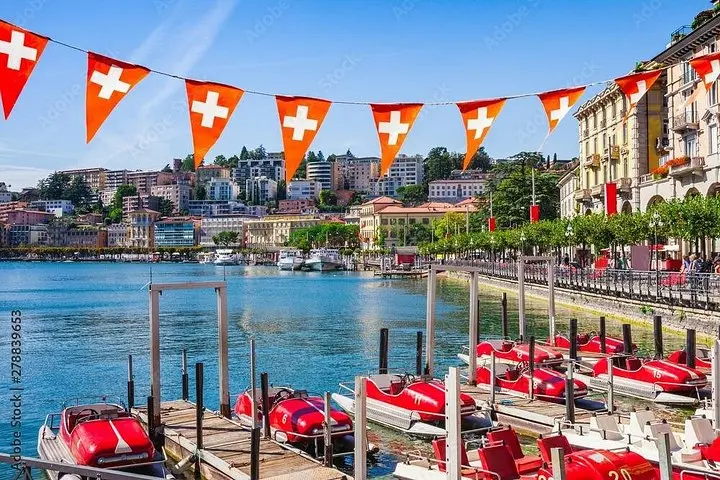
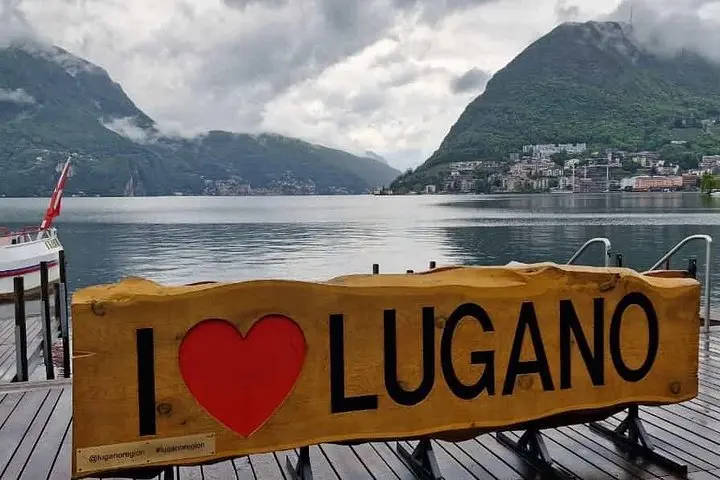
The morning light on Lake Ceresio arrives slow and exact: a cool, glassy surface that throws the serrated profile of the Lugano Alps into a mirrored, upside-down world. On a private tour, the hour belongs to you and the driver — to the slow focus of stately villas sliding past, to the bell-tower silhouettes of town squares, to the funicular cables that tug visitors up to wind-brushed ridgelines. This is Insubria, a borderland where Italian warmth and Swiss precision sit cheek-by-jowl, and the day is a careful, curated exploration of both.
Verified experiences and guided adventures in the surrounding area.
Operated by Morandi Tour · Lugano, Ticino
The morning light on Lake Ceresio arrives slow and exact: a cool, glassy surface that throws the serrated profile of the Lugano Alps into a mirrored, upside-down world. On a private tour, the hour belongs to you and the driver — to the slow focus of stately villas sliding past, to the bell-tower silhouettes of town squares, to the funicular cables that tug visitors up to wind-brushed ridgelines. This is Insubria, a borderland where Italian warmth and Swiss precision sit cheek-by-jowl, and the day is a careful, curated exploration of both.
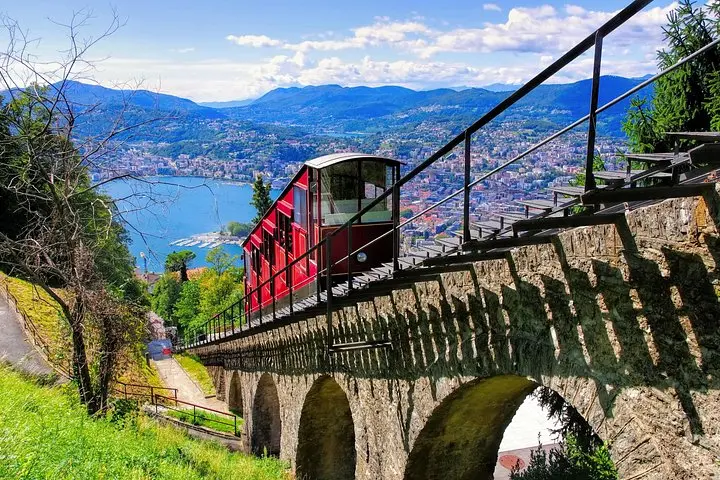
Lake Ceresio (the local name for Lake Lugano) has been shaped by glaciers and commerce. The glacial basin carves steep shores, forcing towns to climb out of the water in stepped terraces. Villas from the 19th century — their façades shaded by plane trees and walled gardens — speak to an era when aristocrats followed the sun across the Alps. The funiculars to Mount Brè and Monte San Salvatore are relics of early tourism, machines that make the high viewpoints accessible without steep hiking, and they still creak with the pragmatic romance of old Europe.
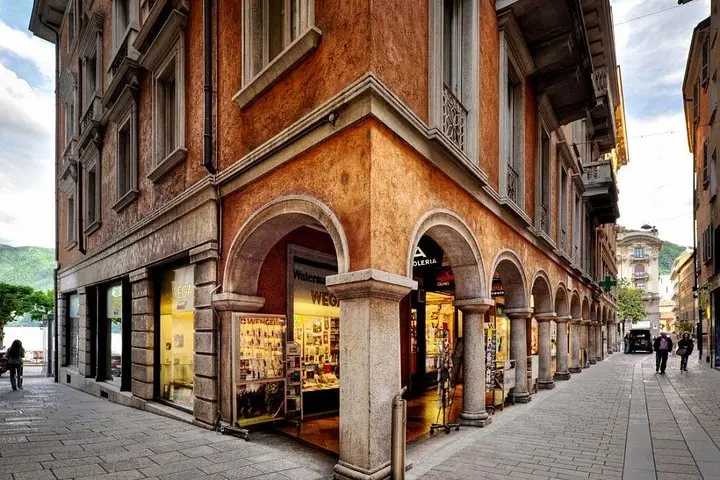
Culturally, the day is built on contrasts: Italianate cafés serving espresso and risotto, Swiss punctuality in transportation, and the unique Ticinese viticulture — notable for its Merlot vines grown in small pockets of south-facing slopes. Campione d’Italia, the small Italian exclave on the lake, offers a political footnote to the itinerary: one border, two currencies, shared scenery.
Practical guidance: expect a 6–8 hour private excursion with hotel pickup and drop-off. Walking segments are brief—1–3 km at most—unless you opt for a longer trail on Brè or San Salvatore, where elevation tops out around 900–925 m and views open over Italy and the Alps. Bring comfortable shoes for cobbled streets, a light layer against lake breezes, and a refillable bottle; water and snacks are easy to find in town.
If you add private navigation or a lakeside lunch, plan for Swiss francs as the primary currency (euros accepted in many places but with a variable rate). Passport and visa checks are minimal for Schengen travelers, but remember that you’ll be moving in a cross-border micro-region. For photography, aim for early morning or late afternoon light on the water; the funicular viewpoints capture both the lake’s mirror and the town below.
A private day here is malleable: trade a museum stop for vineyard time, trade a long drive for a slow boat. The trip is at once scenic and civilized — an accessible, layered way to meet the region’s landscape, history and culinary notes without rushing them.
The private tour runs approximately 6–8 hours (360–480 minutes), customizable to your interests.
Yes—private luxury car or van with a driver and hotel pickup and drop-off are included.
Yes—private navigation on the lake can be added on request; inform the operator when booking to secure vessels.
Meals are not included by default, but you can request a typical Ticinese lunch or book restaurants through your guide.
Schengen travelers typically experience no formal checks for short visits, but always carry identification; border formalities depend on current regulations.
Yes—the itinerary is rated easy and suitable for all fitness levels, but notify the operator of any mobility limitations so pickup and routing can be adjusted.
Morandi Tour operates guided outdoor trips and adventures with an emphasis on safety, stewardship, and memorable experiences.
The morning light on Lake Ceresio arrives slow and exact: a cool, glassy surface that throws the serrated profile of the Lugano Alps into a mirrored, upside-down world. On a private tour, the hour belongs to you and the driver — to the slow focus of stately villas sliding past, to the bell-tower silhouettes of town squares, to the funicular cables that tug visitors up to wind-brushed ridgelines. This is Insubria, a borderland where Italian warmth and Swiss precision sit cheek-by-jowl, and the day is a careful, curated exploration of both.
The morning light on Lake Ceresio arrives slow and exact: a cool, glassy surface that throws the serrated profile of the Lugano Alps into a mirrored, upside-down world. On a private tour, the hour belongs to you and the driver — to the slow focus of stately villas sliding past, to the bell-tower silhouettes of town squares, to the funicular cables that tug visitors up to wind-brushed ridgelines. This is Insubria, a borderland where Italian warmth and Swiss precision sit cheek-by-jowl, and the day is a careful, curated exploration of both.
Lake Ceresio (the local name for Lake Lugano) has been shaped by glaciers and commerce. The glacial basin carves steep shores, forcing towns to climb out of the water in stepped terraces. Villas from the 19th century — their façades shaded by plane trees and walled gardens — speak to an era when aristocrats followed the sun across the Alps. The funiculars to Mount Brè and Monte San Salvatore are relics of early tourism, machines that make the high viewpoints accessible without steep hiking, and they still creak with the pragmatic romance of old Europe.
Culturally, the day is built on contrasts: Italianate cafés serving espresso and risotto, Swiss punctuality in transportation, and the unique Ticinese viticulture — notable for its Merlot vines grown in small pockets of south-facing slopes. Campione d’Italia, the small Italian exclave on the lake, offers a political footnote to the itinerary: one border, two currencies, shared scenery.
Practical guidance: expect a 6–8 hour private excursion with hotel pickup and drop-off. Walking segments are brief—1–3 km at most—unless you opt for a longer trail on Brè or San Salvatore, where elevation tops out around 900–925 m and views open over Italy and the Alps. Bring comfortable shoes for cobbled streets, a light layer against lake breezes, and a refillable bottle; water and snacks are easy to find in town.
If you add private navigation or a lakeside lunch, plan for Swiss francs as the primary currency (euros accepted in many places but with a variable rate). Passport and visa checks are minimal for Schengen travelers, but remember that you’ll be moving in a cross-border micro-region. For photography, aim for early morning or late afternoon light on the water; the funicular viewpoints capture both the lake’s mirror and the town below.
A private day here is malleable: trade a museum stop for vineyard time, trade a long drive for a slow boat. The trip is at once scenic and civilized — an accessible, layered way to meet the region’s landscape, history and culinary notes without rushing them.