
Private Tour of 4 Cenotes in Tulum Park — Swim, Snorkel & Rappel
Explore four contrasting cenotes near Tulum on a private 6–8 hour tour — swim crystal freshwater pools, snorkel cavern passages, and optional rappel into a vertical sinkhole. Learn geological and Maya cultural context while enjoying guided, small-group access.
An Adventure In Tulum.
Explore four contrasting cenotes near Tulum on a private 6–8 hour tour — swim crystal freshwater pools, snorkel cavern passages, and optional rappel into a vertical sinkhole. Learn geological and Maya cultural context while enjoying guided, small-group access.
Read the full experience
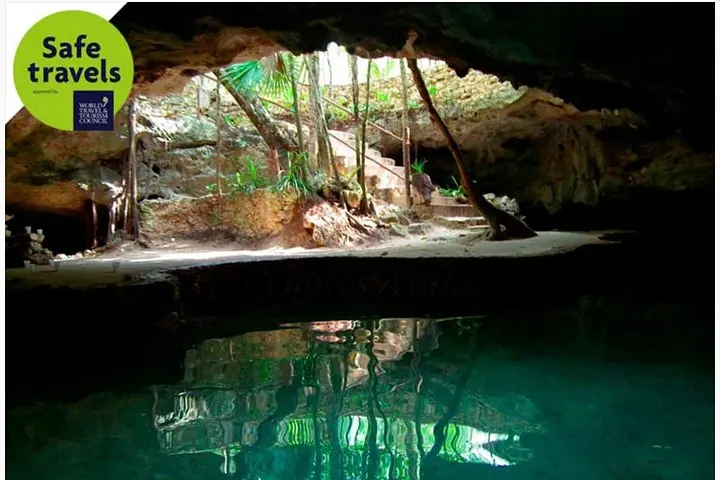
You step off the shaded trail and the jungle opens to still, mirror-flat water framed by limestone walls. Light threads through a canopy of ceiba and fig trees, turning the cenote into a glassy pool that dares you to dive in.
You step off the shaded trail and the jungle opens to still, mirror-flat water framed by limestone walls. Light threads through a canopy of ceiba and fig trees, turning the cenote into a glassy pool that dares you to dive in.
These are the cenotes of the Tulum region — sinkholes formed when collapsed limestone exposed groundwater — fed by the massive Sac Actun underground river system. The same karst topography that carved the Yucatán Peninsula created chambers where stalactites and stalagmites grow slowly in the dark. The Maya considered cenotes sacred; they were fresh-water sources and ceremonial sites, and you’ll often see small altars or offerings near entrances.
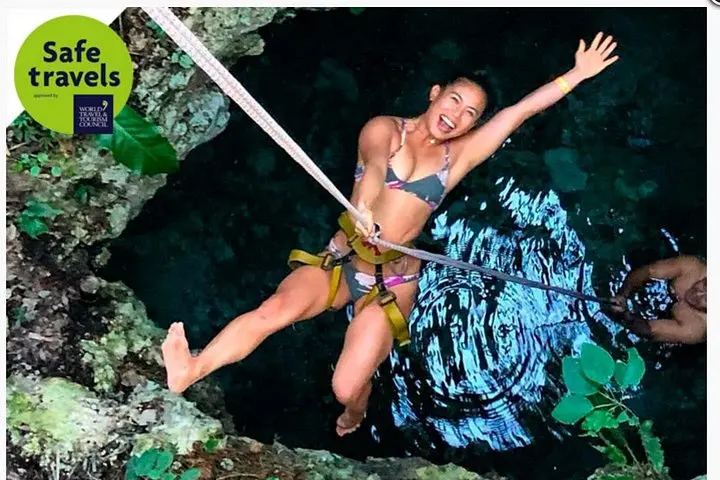
On a private 6–8 hour loop through four cenotes, expect varied settings: open sunlight basins, cavernous chambers with dramatic columns, and snorkel stretches where freshwater visibility can be excellent. Guides typically explain speleothems (the cave formations), point out endemic freshwater fish, and offer an optional rappel into one sinkhole for a quick adrenaline spike.
Practical side: swims and snorkels require basic swimming ability and reef‑safe sunscreen. Footing at entry points is limestone and can be slippery; water shoes help. Timing matters — mornings usually have calmer water and fewer visitors. If you’re coming from Cancún or Playa del Carmen, factor in transit time; Tulum roads can be slow during high season. Bring a dry bag, a change of clothes, and respect signage: some cenotes have fragile formations and restricted areas. With the right gear and a steady pace, this private tour blends geology, history and honest outdoor adventure.
Frequently asked questions
No — basic swimming ability is sufficient for the shallow cenotes and guided snorkel sections; guides will provide life vests for those who prefer them.
Rappelling is usually optional; guides will offer it at select cenotes and provide helmets and harnesses when available.
Yes — waterproof cameras and phones in sealed cases are fine; avoid flash photography in cave chambers and follow guide restrictions to protect formations.
Private tours often include air-conditioned transport from Cancún and surrounding towns — confirm pickup location and timing when booking.
About This Experience
Mycancuntours operates guided outdoor trips and adventures with an emphasis on safety, stewardship, and memorable experiences.
Adventure tips
Recommended gear
- Water shoes: Protects feet on slick limestone entries and provides traction in shallow areas.
- Mask and snorkel: Improves visibility and lets you explore submerged cave passages and fish.
- Reef‑safe sunscreen: Protects skin while minimizing harm to freshwater ecosystems.
- Light dry bag: Keeps belongings dry between stops and during transfers.
Photos of the experience


Related adventures & guides
Read the full experience
You step off the shaded trail and the jungle opens to still, mirror-flat water framed by limestone walls. Light threads through a canopy of ceiba and fig trees, turning the cenote into a glassy pool that dares you to dive in.
You step off the shaded trail and the jungle opens to still, mirror-flat water framed by limestone walls. Light threads through a canopy of ceiba and fig trees, turning the cenote into a glassy pool that dares you to dive in.
These are the cenotes of the Tulum region — sinkholes formed when collapsed limestone exposed groundwater — fed by the massive Sac Actun underground river system. The same karst topography that carved the Yucatán Peninsula created chambers where stalactites and stalagmites grow slowly in the dark. The Maya considered cenotes sacred; they were fresh-water sources and ceremonial sites, and you’ll often see small altars or offerings near entrances.
On a private 6–8 hour loop through four cenotes, expect varied settings: open sunlight basins, cavernous chambers with dramatic columns, and snorkel stretches where freshwater visibility can be excellent. Guides typically explain speleothems (the cave formations), point out endemic freshwater fish, and offer an optional rappel into one sinkhole for a quick adrenaline spike.
Practical side: swims and snorkels require basic swimming ability and reef‑safe sunscreen. Footing at entry points is limestone and can be slippery; water shoes help. Timing matters — mornings usually have calmer water and fewer visitors. If you’re coming from Cancún or Playa del Carmen, factor in transit time; Tulum roads can be slow during high season. Bring a dry bag, a change of clothes, and respect signage: some cenotes have fragile formations and restricted areas. With the right gear and a steady pace, this private tour blends geology, history and honest outdoor adventure.
Make a day of it nearby.
Verified experiences and guided adventures in the surrounding area.