THE ADVENTURE COLLECTIVE® · Independent discovery and booking for outdoor travel

Walk the rooms and grounds of Andrew Jackson’s Hermitage with a private guide who layers presidential history with hard truths about plantation life. This four-hour tour pairs mansion interiors with the grounds, slave quarters, and a nature trail for a full-picture visit.
Walk the rooms and grounds of Andrew Jackson’s Hermitage with a private guide who layers presidential history with hard truths about plantation life. This four-hour tour pairs mansion interiors with the grounds, slave quarters, and a nature trail for a full-picture visit.
You step off the shuttle onto gravel under a row of mature oaks, the air carrying the damp scent of lawn and river. The Greek Revival mansion looms ahead — white columns, painted shutters — and the guide’s voice threads visitor rooms to gardens, tying objects to moments in early 19th-century America.
Verified experiences and guided adventures in the surrounding area.
Operated by Metro Livery · Nashville, Tennessee
You step off the shuttle onto gravel under a row of mature oaks, the air carrying the damp scent of lawn and river. The Greek Revival mansion looms ahead — white columns, painted shutters — and the guide’s voice threads visitor rooms to gardens, tying objects to moments in early 19th-century America.
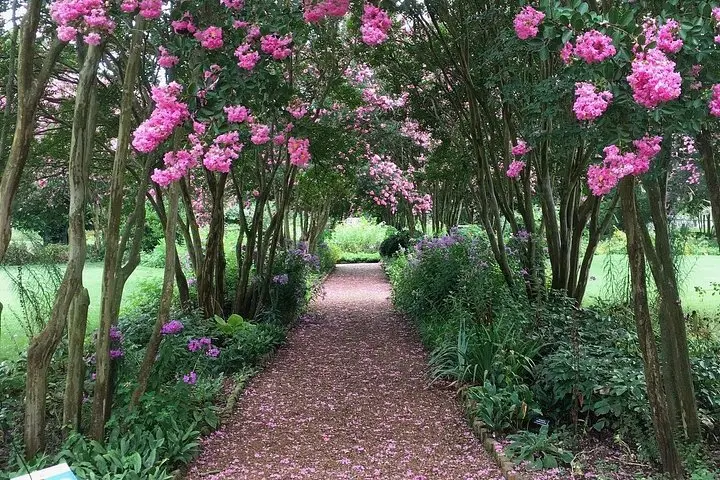
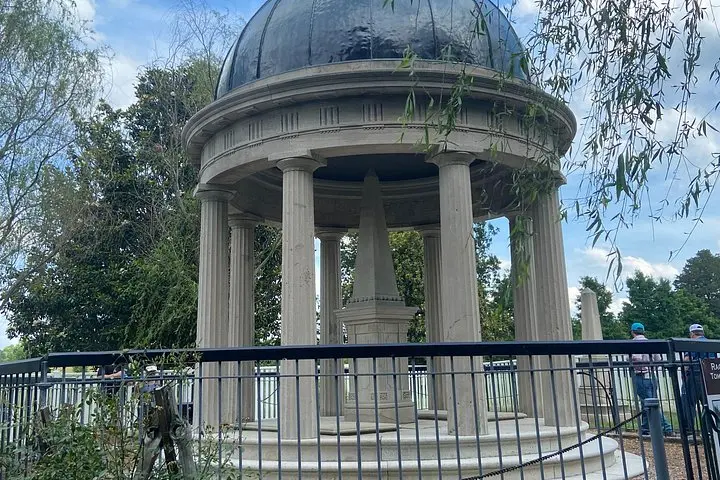
The Hermitage sits on a large antebellum estate east of downtown Nashville. Once Andrew Jackson’s working plantation and home of the seventh U.S. president, the site preserves the mansion, the guided-tour visitor center, Jackson’s tomb, the reconstructed slave quarters, and farm buildings. The landscape is a mix of formal 19th-century grounds and working fields with low-lying wetland edges where birds congregate; stone and compacted-earth paths make it an accessible site for most visitors.
Cultural context is front and center: conversations about Jackson’s political career are balanced with interpretation of enslaved peoples’ labor and daily life on the plantation. Expect clear signage, artifacts in period rooms, and a stop at the small family church on the grounds.
Practical guidance: allow roughly four hours for pickup, site orientation, mansion walkthrough, and time at the slave quarters and nature trail. Wear comfortable walking shoes — some surfaces are uneven — and bring water, sun protection, and a respectful mindset when visiting graves and memorial areas. The private tour includes transportation and a dedicated guide, and it’s wheelchair accessible in most areas. Early morning or late afternoon visits will offer cooler temperatures and quieter grounds.
Many areas of the site are wheelchair accessible and transportation is accessible; however, some historic rooms may have limited access — check with the operator for specifics.
Yes — this private tour includes transportation and admission to the Hermitage as part of the itinerary.
Yes — the tour includes the reconstructed slave quarters and interpretive content; guides address the daily lives and labor of enslaved people as part of the site’s historical context.
You can bring a small snack to eat in designated outdoor areas; there are also restaurants and services in nearby Nashville if you prefer a full meal before or after the tour.
Metro Livery operates guided outdoor trips and adventures with an emphasis on safety, stewardship, and memorable experiences.
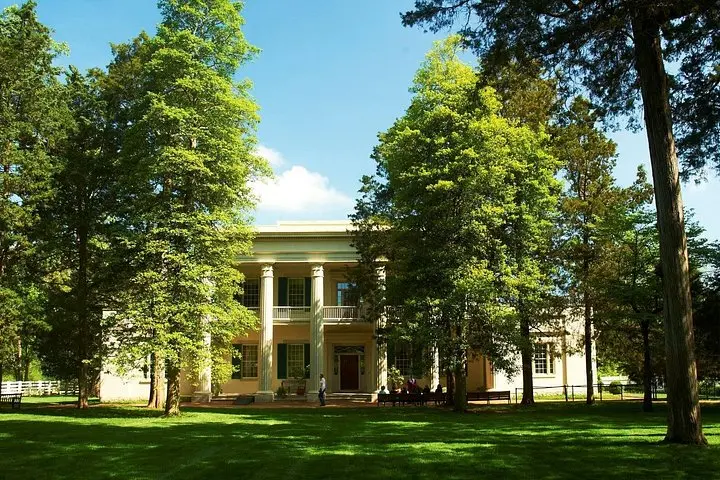
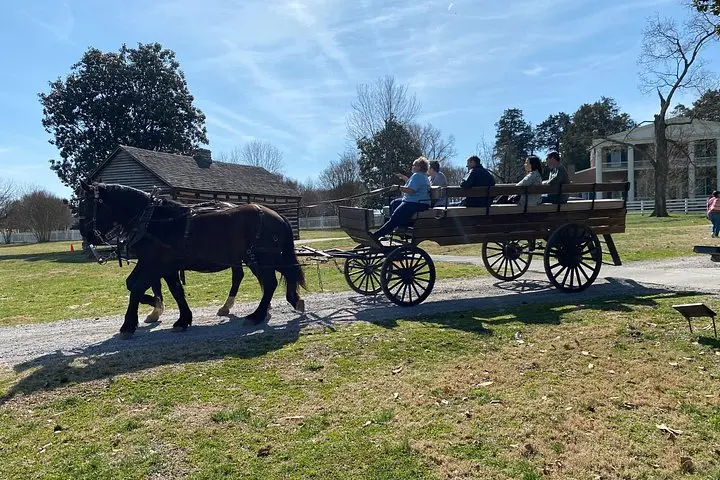
You step off the shuttle onto gravel under a row of mature oaks, the air carrying the damp scent of lawn and river. The Greek Revival mansion looms ahead — white columns, painted shutters — and the guide’s voice threads visitor rooms to gardens, tying objects to moments in early 19th-century America.
You step off the shuttle onto gravel under a row of mature oaks, the air carrying the damp scent of lawn and river. The Greek Revival mansion looms ahead — white columns, painted shutters — and the guide’s voice threads visitor rooms to gardens, tying objects to moments in early 19th-century America.
The Hermitage sits on a large antebellum estate east of downtown Nashville. Once Andrew Jackson’s working plantation and home of the seventh U.S. president, the site preserves the mansion, the guided-tour visitor center, Jackson’s tomb, the reconstructed slave quarters, and farm buildings. The landscape is a mix of formal 19th-century grounds and working fields with low-lying wetland edges where birds congregate; stone and compacted-earth paths make it an accessible site for most visitors.
Cultural context is front and center: conversations about Jackson’s political career are balanced with interpretation of enslaved peoples’ labor and daily life on the plantation. Expect clear signage, artifacts in period rooms, and a stop at the small family church on the grounds.
Practical guidance: allow roughly four hours for pickup, site orientation, mansion walkthrough, and time at the slave quarters and nature trail. Wear comfortable walking shoes — some surfaces are uneven — and bring water, sun protection, and a respectful mindset when visiting graves and memorial areas. The private tour includes transportation and a dedicated guide, and it’s wheelchair accessible in most areas. Early morning or late afternoon visits will offer cooler temperatures and quieter grounds.