THE ADVENTURE COLLECTIVE® · Independent discovery and booking for outdoor travel

Explore Santa Maria Maggiore with a private guide and discover centuries of mosaics, papal history, and a gold-coffered ceiling that lights up in the right hour. This focused three-hour visit combines art-historical detail with practical tips for timing and etiquette.
Explore Santa Maria Maggiore with a private guide and discover centuries of mosaics, papal history, and a gold-coffered ceiling that lights up in the right hour. This focused three-hour visit combines art-historical detail with practical tips for timing and etiquette.
You step off cobblestones into a cool vault of stone and light: late-morning sun slants through high clerestory windows and sets the gold-leaf ceiling ablaze, the mosaics seeming to breathe with the centuries.
Verified experiences and guided adventures in the surrounding area.
Operated by Art and Tradition Tours · Rome, Lazio
You step off cobblestones into a cool vault of stone and light: late-morning sun slants through high clerestory windows and sets the gold-leaf ceiling ablaze, the mosaics seeming to breathe with the centuries.
Santa Maria Maggiore is one of Rome’s four major basilicas, founded in the 5th century and rebuilt and embellished across medieval and Baroque eras. The triumphal arch preserves early mosaics from the 400s; later popes added ornate chapels, a 14th-century bell tower, and the richly decorated Sistine Chapel inside this basilica (not to be confused with the Vatican’s). The church holds relics and papal tombs that reflect Rome’s layered religious and civic history.
Geology and city culture meet here: travertine and Roman stone carve a cool interior that contrasts with the heat of the surrounding Esquilino district; vendors, market stalls and neighborhood life pulse just outside the portico. A private guide can thread these architectural and historical strands together, pointing out mosaic narratives, the gold coffered ceiling, and the treasury’s Nativity scene.
Practical notes: tours typically last about three hours and move at a relaxed cultural-visit pace with limited walking but several steps and thresholds. Modest dress is expected; morning or late afternoon slots lower crowds and improve light for photos. Keep conversations to respectful volume—this is an active place of worship—and allow time in the itinerary for the adjacent square and nearby museums if you want to expand the visit.
With a mixture of early-Christian mosaics and later papal additions, the basilica rewards close looking as much as quiet reflection.
Entry to the basilica is generally free; special exhibitions or guided-treasury access may have charges—ask your operator in advance.
This specific private tour provides a dedicated guide but does not guarantee formal skip-the-line admission—confirm arrangements with the operator.
Photography is usually permitted in most areas without flash; certain chapels or events may restrict photos—follow posted signs and guide instructions.
Main entrances and much of the nave are accessible, but some chapels and older sections have steps; notify the operator of mobility needs when booking.
Art and Tradition Tours operates guided outdoor trips and adventures with an emphasis on safety, stewardship, and memorable experiences.
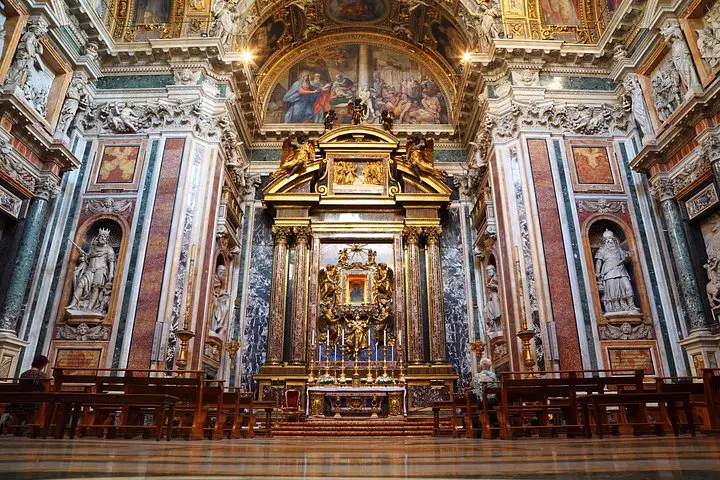
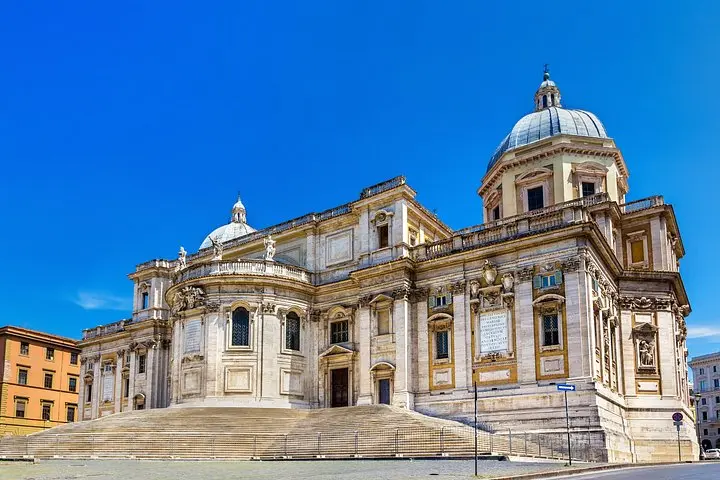
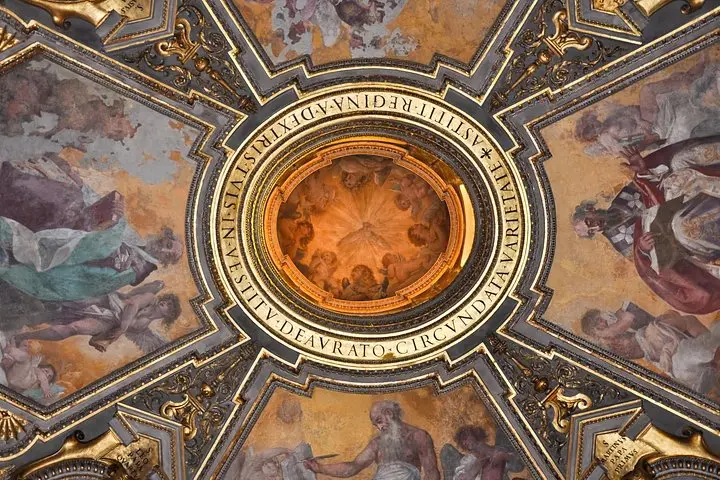
You step off cobblestones into a cool vault of stone and light: late-morning sun slants through high clerestory windows and sets the gold-leaf ceiling ablaze, the mosaics seeming to breathe with the centuries.
You step off cobblestones into a cool vault of stone and light: late-morning sun slants through high clerestory windows and sets the gold-leaf ceiling ablaze, the mosaics seeming to breathe with the centuries.
Santa Maria Maggiore is one of Rome’s four major basilicas, founded in the 5th century and rebuilt and embellished across medieval and Baroque eras. The triumphal arch preserves early mosaics from the 400s; later popes added ornate chapels, a 14th-century bell tower, and the richly decorated Sistine Chapel inside this basilica (not to be confused with the Vatican’s). The church holds relics and papal tombs that reflect Rome’s layered religious and civic history.
Geology and city culture meet here: travertine and Roman stone carve a cool interior that contrasts with the heat of the surrounding Esquilino district; vendors, market stalls and neighborhood life pulse just outside the portico. A private guide can thread these architectural and historical strands together, pointing out mosaic narratives, the gold coffered ceiling, and the treasury’s Nativity scene.
Practical notes: tours typically last about three hours and move at a relaxed cultural-visit pace with limited walking but several steps and thresholds. Modest dress is expected; morning or late afternoon slots lower crowds and improve light for photos. Keep conversations to respectful volume—this is an active place of worship—and allow time in the itinerary for the adjacent square and nearby museums if you want to expand the visit.
With a mixture of early-Christian mosaics and later papal additions, the basilica rewards close looking as much as quiet reflection.