THE ADVENTURE COLLECTIVE® · Independent discovery and booking for outdoor travel

A private full-day tour that follows the Curonian Spit’s narrow spine from Juodkrantė to Parnidis Dune. Expect wind-sculpted sand, amber lore, and accessible trails through one of Europe’s most unusual coastal landscapes.
A private full-day tour that follows the Curonian Spit’s narrow spine from Juodkrantė to Parnidis Dune. Expect wind-sculpted sand, amber lore, and accessible trails through one of Europe’s most unusual coastal landscapes.
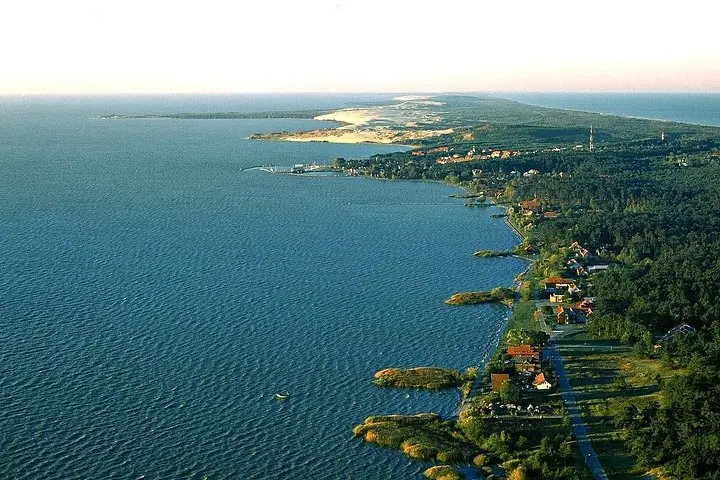
You step off the minivan into wind that shapes the coast—salt-laced and insistent—while the Baltic on one side and the shallow Curonian Lagoon on the other refuse to meet. The Curonian Spit narrows beneath your feet: pale sand ridges, wind-sculpted grasses, and the slow, deliberate climb of Parnidis Dune rising above the pines.
Verified experiences and guided adventures in the surrounding area.
Operated by Klaipeda Tours · Nida, Klaipėda County
You step off the minivan into wind that shapes the coast—salt-laced and insistent—while the Baltic on one side and the shallow Curonian Lagoon on the other refuse to meet. The Curonian Spit narrows beneath your feet: pale sand ridges, wind-sculpted grasses, and the slow, deliberate climb of Parnidis Dune rising above the pines.
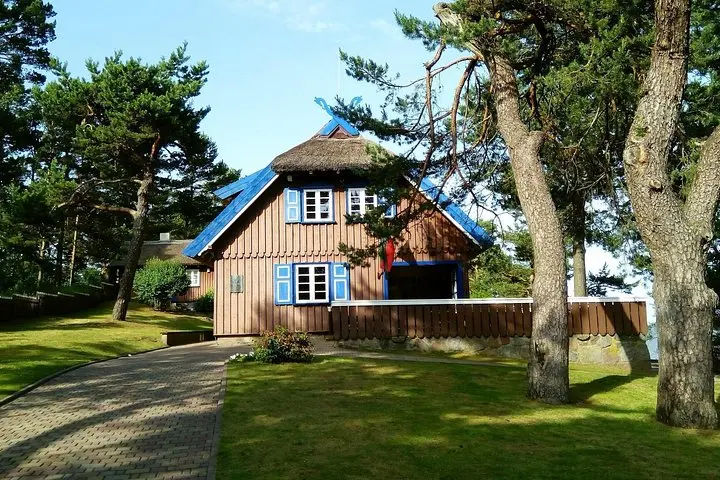
This 7–8 hour private tour threads through Juodkrantė’s amber-edged shoreline, an educational trail across the Grey (Dead) Dunes, and the literary pause at Thomas Mann’s summer home. Geologically the spit is a dynamic barrier of glacial sand deposited and reworked by Baltic waves and prevailing westerlies; culturally it’s been a fishing and amber-working landscape for centuries, with pocketed cemeteries and villages swallowed in shifting sand.
Expect moments of quiet: amber workshops where hands still polish inclusions, observation platforms that frame the lagoon’s bird-rich flats, and the vertiginous view from Parnidis’ crest where the land falls away to two different waters. Your guide will layer local legends over natural history, and point out conservation efforts that keep dunes tethered with marram grass and boardwalks.
Practical edge: wear sturdy shoes for dune sand, bring windproof layers, and time your visit for morning or late afternoon to avoid midday wind and crowds. There are short hikes (some uneven boardwalks and loose sand) and several paid entrances included, so carry small bills. Hydrate, protect against wind and sun, and be ready to let the landscape push your pace into something slower and sharper.
The private tour runs about 7–8 hours (420–480 minutes), covering multiple sites along the Curonian Spit.
Infants and small children can be accommodated in strollers on some sections; however, moderate mobility is recommended due to loose sand and stairs—travelers with heart problems are not advised.
The tour includes entrance to the Grey Dunes and the Thomas Mann Museum; check the booking details for any additional small museum or parking fees.
Guides typically speak Lithuanian and often provide commentary in English on private tours—confirm language needs at booking.
Klaipeda Tours operates guided outdoor trips and adventures with an emphasis on safety, stewardship, and memorable experiences.
You step off the minivan into wind that shapes the coast—salt-laced and insistent—while the Baltic on one side and the shallow Curonian Lagoon on the other refuse to meet. The Curonian Spit narrows beneath your feet: pale sand ridges, wind-sculpted grasses, and the slow, deliberate climb of Parnidis Dune rising above the pines.
You step off the minivan into wind that shapes the coast—salt-laced and insistent—while the Baltic on one side and the shallow Curonian Lagoon on the other refuse to meet. The Curonian Spit narrows beneath your feet: pale sand ridges, wind-sculpted grasses, and the slow, deliberate climb of Parnidis Dune rising above the pines.
This 7–8 hour private tour threads through Juodkrantė’s amber-edged shoreline, an educational trail across the Grey (Dead) Dunes, and the literary pause at Thomas Mann’s summer home. Geologically the spit is a dynamic barrier of glacial sand deposited and reworked by Baltic waves and prevailing westerlies; culturally it’s been a fishing and amber-working landscape for centuries, with pocketed cemeteries and villages swallowed in shifting sand.
Expect moments of quiet: amber workshops where hands still polish inclusions, observation platforms that frame the lagoon’s bird-rich flats, and the vertiginous view from Parnidis’ crest where the land falls away to two different waters. Your guide will layer local legends over natural history, and point out conservation efforts that keep dunes tethered with marram grass and boardwalks.
Practical edge: wear sturdy shoes for dune sand, bring windproof layers, and time your visit for morning or late afternoon to avoid midday wind and crowds. There are short hikes (some uneven boardwalks and loose sand) and several paid entrances included, so carry small bills. Hydrate, protect against wind and sun, and be ready to let the landscape push your pace into something slower and sharper.