THE ADVENTURE COLLECTIVE® · Independent discovery and booking for outdoor travel

Explore Nazca’s pre‑Columbian heart with a private guided visit to the Antonini Museum and the vast adobe plazas of Cahuachi. This compact cultural tour blends archaeology, living craft and hands‑on insights into desert life.
Explore Nazca’s pre‑Columbian heart with a private guided visit to the Antonini Museum and the vast adobe plazas of Cahuachi. This compact cultural tour blends archaeology, living craft and hands‑on insights into desert life.
A pale desert sun slices across low adobe walls as visitors step from an air‑conditioned van into the Antonini Museum courtyard. The museum’s cool exhibits—ceramics, tools and diagrams of ancient aqueducts—offer the first clear language of the Nazca people before the guide leads out onto the open plain toward Cahuachi.
Verified experiences and guided adventures in the surrounding area.
Operated by Sunside Peru Tours · Nazca, Ica
A pale desert sun slices across low adobe walls as visitors step from an air‑conditioned van into the Antonini Museum courtyard. The museum’s cool exhibits—ceramics, tools and diagrams of ancient aqueducts—offer the first clear language of the Nazca people before the guide leads out onto the open plain toward Cahuachi.
Cahuachi is not a single pyramid but a spread of earthen mounds and plazas, the largest ceremonial adobe site in the world. Built and remodeled over centuries (peaking around 1–500 CE), the site was a ritual center rather than an urban settlement; its architecture and buried deposits speak to seasonal pilgrimage, feasting and offerings. The geology is simple: wind‑scoured sand sitting on Pleistocene terraces, where adobe holds form when kept dry but erodes quickly with water—hence the site's fragile nature.
The tour closes at a family textile workshop where natural dyes and backstrap weaving preserve craft lines stretching to pre‑Columbian times. Seeing thread pulled, spun and patterned by hand links museum cases to living practice.
Plan on roughly 3–4 hours, with short walks on flat, sandy ground and some uneven adobe surfaces at Cahuachi. Bring sun protection, a full water bottle and closed shoes for grip on loose sand. Morning light is best for photos and cooler temperatures; avoid sudden rain that can soften adobe. Respect barriers, follow the guide’s route and consider spending extra time in town to sample local reed baskets and learned explanations of water channels that once sustained desert life.
Yes—private air‑conditioned transportation with pick up and return to most Nazca hotels is included in the tour.
Admission to the Antonini Museum is included; entry at Cahuachi is part of the guided visit as described, but follow the operator’s guidance for any site access rules.
The tour is marked physically easy, but infants must sit on an adult’s lap; uneven surfaces at Cahuachi require supervision for young children.
Morning departures avoid the strongest sun and give crisper light for photography; mid‑day can be hot and harsh.
Sunside Peru Tours operates guided outdoor trips and adventures with an emphasis on safety, stewardship, and memorable experiences.
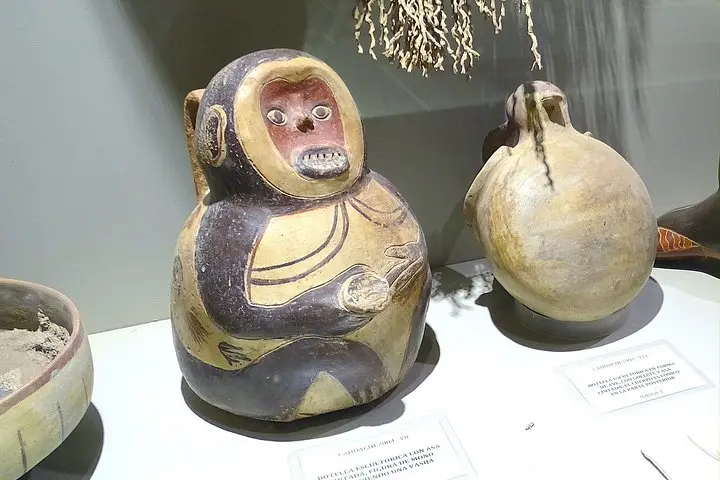
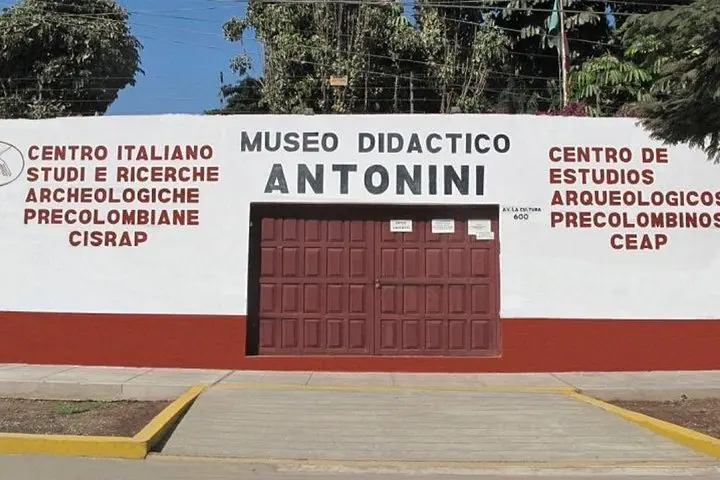
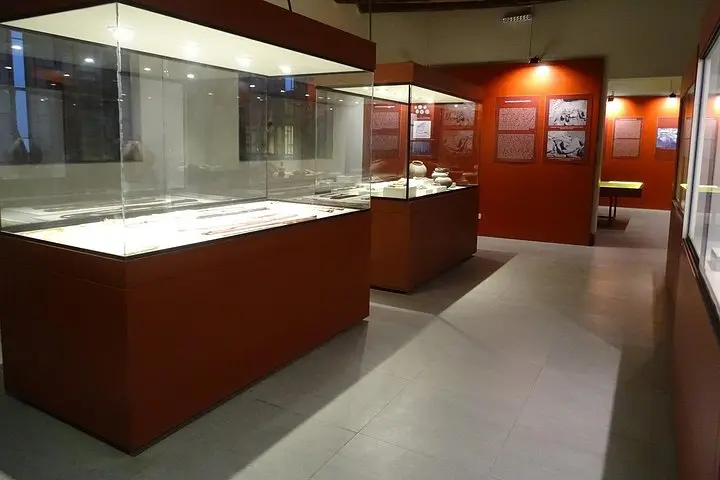
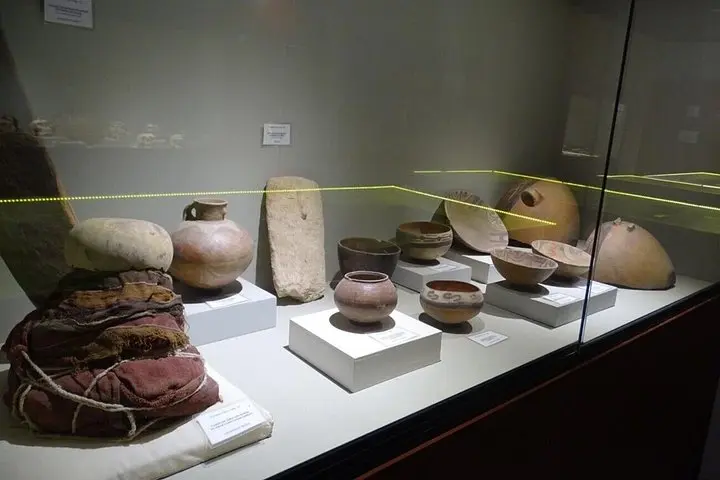
A pale desert sun slices across low adobe walls as visitors step from an air‑conditioned van into the Antonini Museum courtyard. The museum’s cool exhibits—ceramics, tools and diagrams of ancient aqueducts—offer the first clear language of the Nazca people before the guide leads out onto the open plain toward Cahuachi.
A pale desert sun slices across low adobe walls as visitors step from an air‑conditioned van into the Antonini Museum courtyard. The museum’s cool exhibits—ceramics, tools and diagrams of ancient aqueducts—offer the first clear language of the Nazca people before the guide leads out onto the open plain toward Cahuachi.
Cahuachi is not a single pyramid but a spread of earthen mounds and plazas, the largest ceremonial adobe site in the world. Built and remodeled over centuries (peaking around 1–500 CE), the site was a ritual center rather than an urban settlement; its architecture and buried deposits speak to seasonal pilgrimage, feasting and offerings. The geology is simple: wind‑scoured sand sitting on Pleistocene terraces, where adobe holds form when kept dry but erodes quickly with water—hence the site's fragile nature.
The tour closes at a family textile workshop where natural dyes and backstrap weaving preserve craft lines stretching to pre‑Columbian times. Seeing thread pulled, spun and patterned by hand links museum cases to living practice.
Plan on roughly 3–4 hours, with short walks on flat, sandy ground and some uneven adobe surfaces at Cahuachi. Bring sun protection, a full water bottle and closed shoes for grip on loose sand. Morning light is best for photos and cooler temperatures; avoid sudden rain that can soften adobe. Respect barriers, follow the guide’s route and consider spending extra time in town to sample local reed baskets and learned explanations of water channels that once sustained desert life.