THE ADVENTURE COLLECTIVE® · Independent discovery and booking for outdoor travel

A private, guided day trip from Kraków to Auschwitz-Birkenau that combines door-to-door transport with a focused, museum-led visit. This tour suits travelers seeking contextual history, curated access, and time to reflect at one of the 20th century’s most significant memorial sites.
A private, guided day trip from Kraków to Auschwitz-Birkenau that combines door-to-door transport with a focused, museum-led visit. This tour suits travelers seeking contextual history, curated access, and time to reflect at one of the 20th century’s most significant memorial sites.
You arrive from Kraków in a quiet, air-conditioned car, the city receding behind you as low fields roll toward a stark perimeter fence. The gates of Auschwitz-Birkenau open to a place where silence is deliberate; concrete barracks, watchtowers and the long brick of Block 4 stand as catalogued evidence rather than spectacle.
Verified experiences and guided adventures in the surrounding area.
Operated by taxiGo Limo Airport Service · Oświęcim, Lesser Poland Voivodeship
You arrive from Kraków in a quiet, air-conditioned car, the city receding behind you as low fields roll toward a stark perimeter fence. The gates of Auschwitz-Birkenau open to a place where silence is deliberate; concrete barracks, watchtowers and the long brick of Block 4 stand as catalogued evidence rather than spectacle.
Auschwitz was a complex of over 40 camps created by Nazi Germany during World War II. Today the site operates as a museum and memorial; exhibits combine original structures, archival photographs and survivor testimonies that explain the industrial scale and mechanics of persecution. The geology here is unremarkable—flat Silesian plains—yet the cultural weight is intense: nearby Oświęcim once held a diverse Jewish community, whose remnants are interpreted in local museums and synagogues.
Practical guidance: tours last roughly six to seven hours with about three hours of guided time at the main camps and pockets of free time to process privately. Expect significant walking on gravel and packed earth, and long periods of standing in exhibition rooms. Follow museum rules: photography may be restricted in certain indoor displays, and touching artifacts is prohibited. Dress respectfully and bring identification; entry requires an admission pass and guided access in many zones.
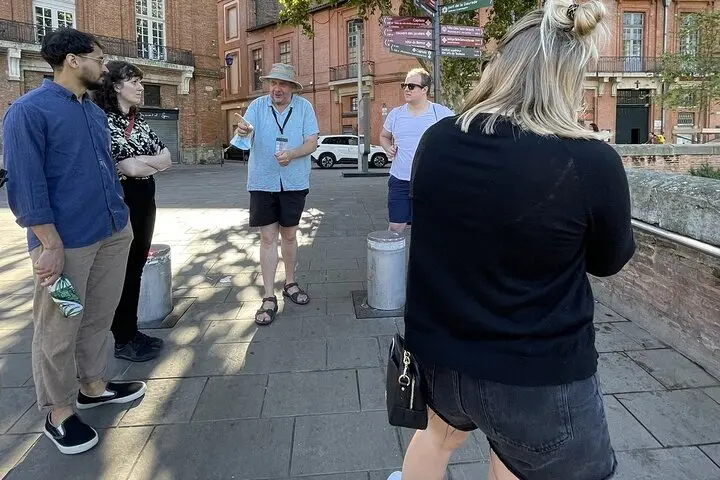
The guide’s role is to frame historical facts and navigate logistics—transport, timing, and adherence to sensitive site protocols—so you can focus on listening and reflecting. Plan for emotional intensity, moderate physical strain, and the need for quiet contemplation afterward.
The full excursion from Kraków is about 6–7 hours; the guided portion at the camps is typically around three hours with additional free time.
Some sections have uneven ground and limited access; the museum provides accessibility information—notify the operator at booking for arrangements.
Photography rules vary by location and exhibit—follow the guide and posted signs; avoid photographing human remains or sensitive scenes as prohibited.
Yes. Guided visits often require advance reservations and a valid admission pass; private tours normally include admission fees and pickup from Kraków hotels.
taxiGo Limo Airport Service operates guided outdoor trips and adventures with an emphasis on safety, stewardship, and memorable experiences.
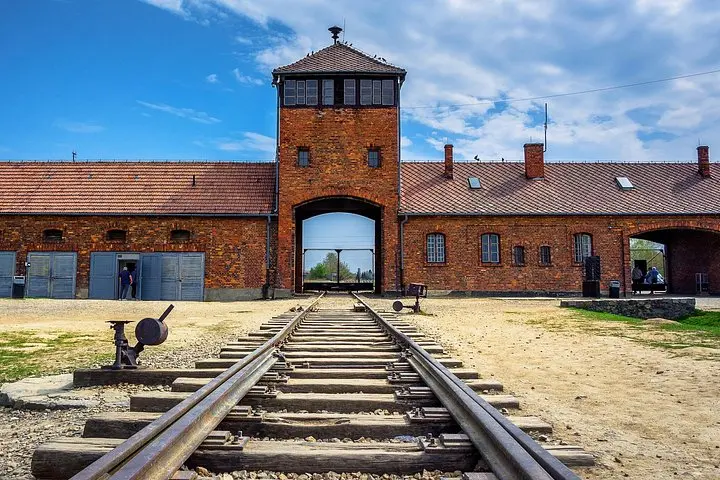
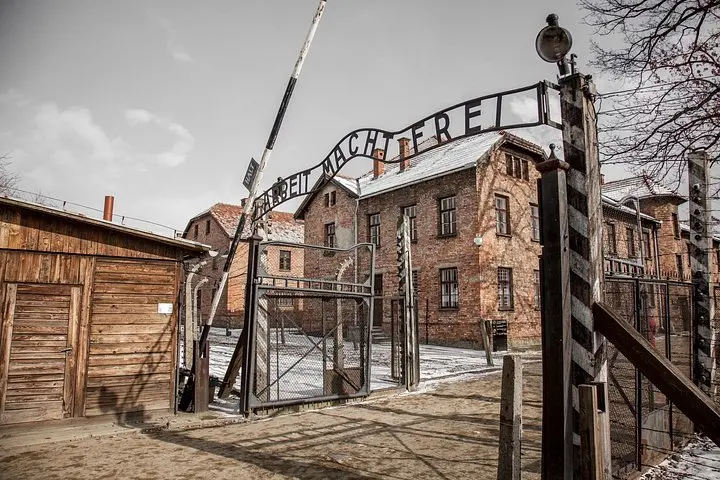
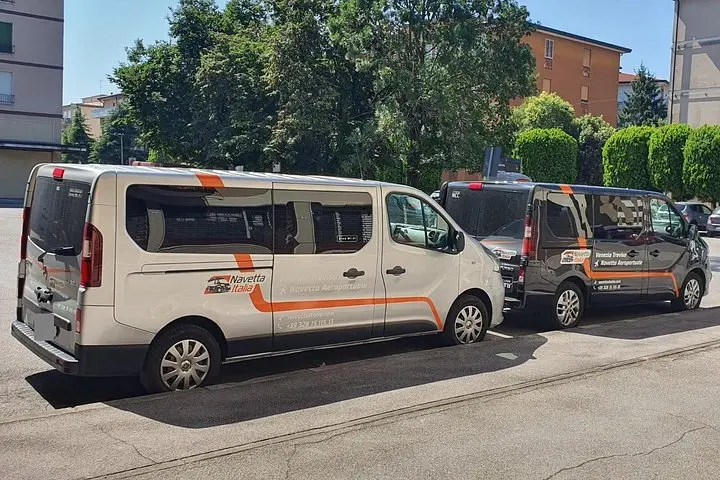
You arrive from Kraków in a quiet, air-conditioned car, the city receding behind you as low fields roll toward a stark perimeter fence. The gates of Auschwitz-Birkenau open to a place where silence is deliberate; concrete barracks, watchtowers and the long brick of Block 4 stand as catalogued evidence rather than spectacle.
You arrive from Kraków in a quiet, air-conditioned car, the city receding behind you as low fields roll toward a stark perimeter fence. The gates of Auschwitz-Birkenau open to a place where silence is deliberate; concrete barracks, watchtowers and the long brick of Block 4 stand as catalogued evidence rather than spectacle.
Auschwitz was a complex of over 40 camps created by Nazi Germany during World War II. Today the site operates as a museum and memorial; exhibits combine original structures, archival photographs and survivor testimonies that explain the industrial scale and mechanics of persecution. The geology here is unremarkable—flat Silesian plains—yet the cultural weight is intense: nearby Oświęcim once held a diverse Jewish community, whose remnants are interpreted in local museums and synagogues.
Practical guidance: tours last roughly six to seven hours with about three hours of guided time at the main camps and pockets of free time to process privately. Expect significant walking on gravel and packed earth, and long periods of standing in exhibition rooms. Follow museum rules: photography may be restricted in certain indoor displays, and touching artifacts is prohibited. Dress respectfully and bring identification; entry requires an admission pass and guided access in many zones.
The guide’s role is to frame historical facts and navigate logistics—transport, timing, and adherence to sensitive site protocols—so you can focus on listening and reflecting. Plan for emotional intensity, moderate physical strain, and the need for quiet contemplation afterward.