THE ADVENTURE COLLECTIVE® · Independent discovery and booking for outdoor travel

Spend a private day moving from Giza’s monumental pyramids to Saqqara’s ancient Step Pyramid and the ruins of Memphis. This eight-hour itinerary pairs close-up archaeology with local insights and practical logistics for a full-day exploration from Cairo.
Spend a private day moving from Giza’s monumental pyramids to Saqqara’s ancient Step Pyramid and the ruins of Memphis. This eight-hour itinerary pairs close-up archaeology with local insights and practical logistics for a full-day exploration from Cairo.
The day begins on the edge of the Sahara where the Giza Plateau opens like a wind-swept stage: the Great Pyramid rises in blocky silhouette, the Sphinx squints into the sun, and the air carries the dust-and-stone scent that has defined this landscape for millennia.
Verified experiences and guided adventures in the surrounding area.
Operated by Kemet Travel Egypt · Giza, Cairo Governorate
The day begins on the edge of the Sahara where the Giza Plateau opens like a wind-swept stage: the Great Pyramid rises in blocky silhouette, the Sphinx squints into the sun, and the air carries the dust-and-stone scent that has defined this landscape for millennia.
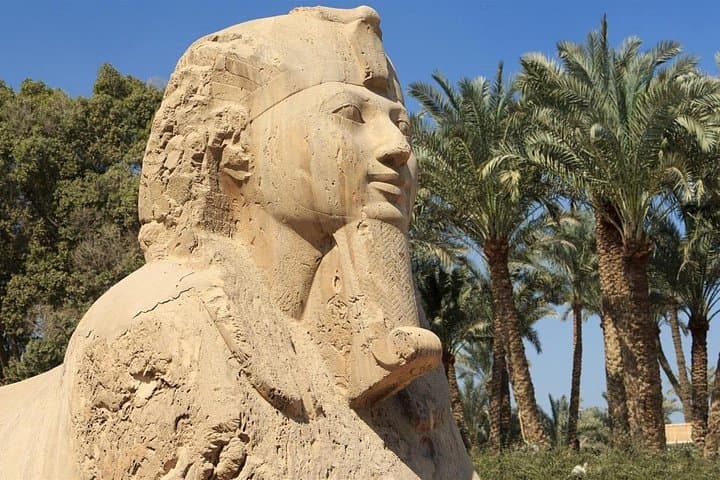
This eight-hour private tour stitches three chapters of ancient Egypt into a single route. In Giza visitors stand before Khufu’s Great Pyramid and the smaller satellite tombs, feeling the scale of stones quarried and moved without modern machinery. At Saqqara the mood shifts to the earlier Third Dynasty—Imhotep’s Step Pyramid of Djoser marks a radical leap in funerary architecture and offers compact, accessible archaeology to explore up close. Memphis, the first capital, delivers a quieter set of ruins and museum pieces (notably the colossal statue fragments and alabaster relics) that explain how kingship and administration once organized this floodplain.
Geology here is limestone and sandstone, shaped by the Nile’s cycles and desert wind; culturally the sites are active places of study and preservation, not theatrical reconstructions. Local guides—often Egyptologists—connect the monuments to dynastic timelines and everyday life along the Nile.
Practical guidance: expect lots of walking on uneven limestone and packed sand, intermittent shade, and moments exposed to strong sun. Start early to avoid midday heat, carry water and sun protection, and wear sturdy shoes for steps and gravel. Lunch is typically at a nearby restaurant with views over cultivated fields, offering a calm contrast to the plateaus’ arid geometry.
This private tour listing typically includes admission to the main attractions, but confirm at booking; some special exhibits or pyramid interior tickets may be extra.
Travel time varies with traffic; expect 30–60 minutes between Giza, Saqqara and Memphis from central Cairo on a standard day.
Interior access to the Great Pyramid is limited and sometimes requires separate tickets and timed access; check availability with your operator in advance.
Yes—sites are accessible with assistance, but uneven terrain and heat mean slower pacing and extra rest breaks are recommended.
Kemet Travel Egypt operates guided outdoor trips and adventures with an emphasis on safety, stewardship, and memorable experiences.
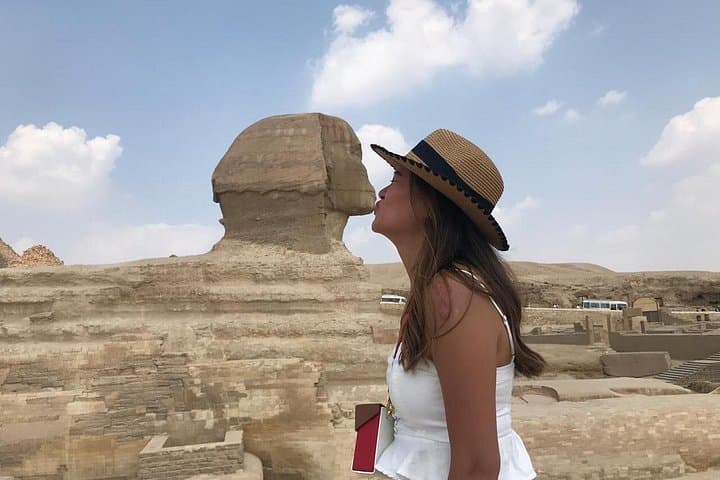


The day begins on the edge of the Sahara where the Giza Plateau opens like a wind-swept stage: the Great Pyramid rises in blocky silhouette, the Sphinx squints into the sun, and the air carries the dust-and-stone scent that has defined this landscape for millennia.
The day begins on the edge of the Sahara where the Giza Plateau opens like a wind-swept stage: the Great Pyramid rises in blocky silhouette, the Sphinx squints into the sun, and the air carries the dust-and-stone scent that has defined this landscape for millennia.
This eight-hour private tour stitches three chapters of ancient Egypt into a single route. In Giza visitors stand before Khufu’s Great Pyramid and the smaller satellite tombs, feeling the scale of stones quarried and moved without modern machinery. At Saqqara the mood shifts to the earlier Third Dynasty—Imhotep’s Step Pyramid of Djoser marks a radical leap in funerary architecture and offers compact, accessible archaeology to explore up close. Memphis, the first capital, delivers a quieter set of ruins and museum pieces (notably the colossal statue fragments and alabaster relics) that explain how kingship and administration once organized this floodplain.
Geology here is limestone and sandstone, shaped by the Nile’s cycles and desert wind; culturally the sites are active places of study and preservation, not theatrical reconstructions. Local guides—often Egyptologists—connect the monuments to dynastic timelines and everyday life along the Nile.
Practical guidance: expect lots of walking on uneven limestone and packed sand, intermittent shade, and moments exposed to strong sun. Start early to avoid midday heat, carry water and sun protection, and wear sturdy shoes for steps and gravel. Lunch is typically at a nearby restaurant with views over cultivated fields, offering a calm contrast to the plateaus’ arid geometry.