THE ADVENTURE COLLECTIVE® · Independent discovery and booking for outdoor travel
Drive through the Judean Desert to Masada’s cliff‑top ruins, explore Qumran where the Dead Sea Scrolls were found, and float in the hyper‑saline Dead Sea on an eight‑hour private tour. Expect dramatic geology, archaeological highlights, and practical tips for sun, salt and short hikes.
Drive through the Judean Desert to Masada’s cliff‑top ruins, explore Qumran where the Dead Sea Scrolls were found, and float in the hyper‑saline Dead Sea on an eight‑hour private tour. Expect dramatic geology, archaeological highlights, and practical tips for sun, salt and short hikes.
The day opens with desert air that seems to push you forward: pale limestone cliffs, a road that drops toward the glitter of the Dead Sea, and a fortress silhouette perched above the plain. On this private eight‑hour route you move by private vehicle through geometry of canyons and salt flats, stopping where history and geology intersect.
Verified experiences and guided adventures in the surrounding area.
Operated by Zelkind Bible Land Tours · Masada, Jerusalem District
The day opens with desert air that seems to push you forward: pale limestone cliffs, a road that drops toward the glitter of the Dead Sea, and a fortress silhouette perched above the plain. On this private eight‑hour route you move by private vehicle through geometry of canyons and salt flats, stopping where history and geology intersect.
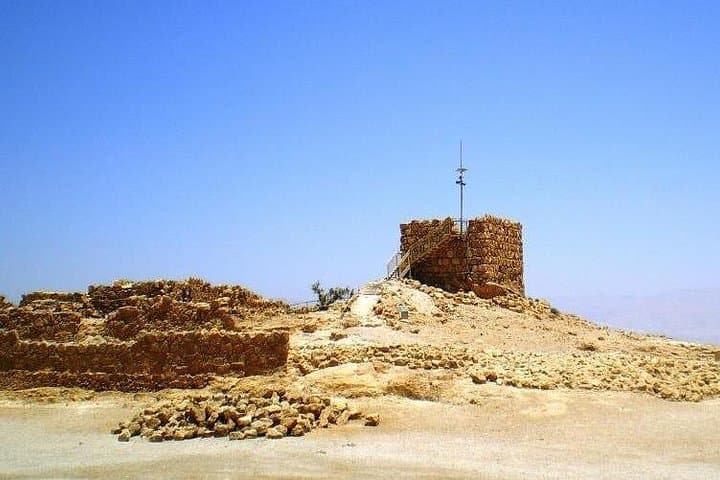
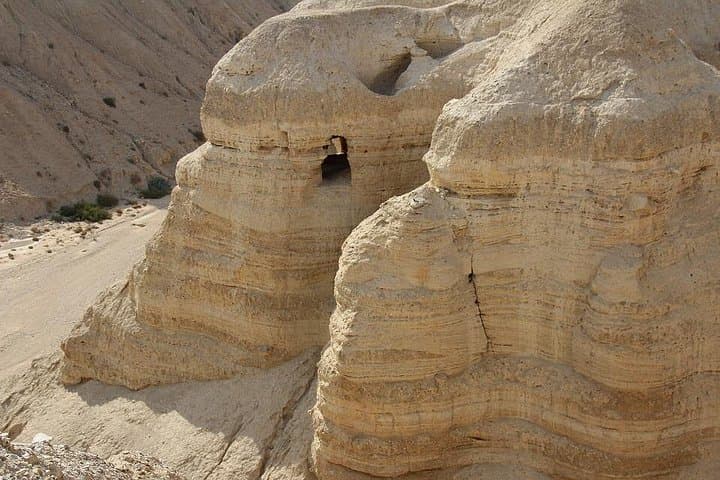
Masada dominates the story — Herod’s cliff‑top stronghold where Roman siege ramps and ancient storerooms still speak of resistance and sudden endings. Down the shore, Qumran’s ruined complexes and caves recall the scribes who left behind the Dead Sea Scrolls, fragile witnesses to Second Temple Judaism. The lake itself, the planet’s lowest exposed point, is a hypersaline body of water whose buoyancy and mineral mud have drawn travelers for millennia.
Geology is visible at every turn: evaporite terraces at the shore, salt pillars inland, and desert varnish on the ridgelines. Culture arrives in short, sharp doses — Bedouin trade along minor roads, kibbutz agriculture in the distance, and modern resort facilities around Ein Bokek.
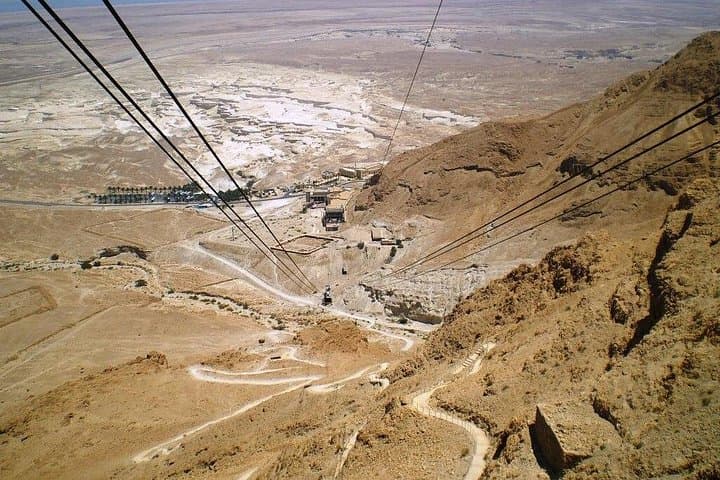
Practical guidance: this is a vehicle‑based tour with walking at sites. Expect rocky paths and strong sun; choose sturdy shoes and bring at least 2 liters of water, sunscreen, and a hat. At Masada you can take the cable car or tackle the steep Snake Path; at the Dead Sea, plan only short swims — the water’s salinity stings open cuts and can make eyes sore. Timing matters: arrive early to avoid midday heat and take advantage of softer light for views and photos. Leave space in your day for quiet pauses — the desert resists hurry and rewards attention.
Yes — most itineraries include time at a public or private shore where you can float; avoid getting water in your eyes and don’t swim in open salt water.
This tour lists visits to both sites but indicates admission may not be included — confirm with the operator before booking.
Walks at the sites are short but can include uneven ground and stairs; a cable car at Masada reduces effort for those who prefer it.
Private transfer and hotel pickup/drop‑off are typically included — specify your pickup point at booking.
Zelkind Bible Land Tours operates guided outdoor trips and adventures with an emphasis on safety, stewardship, and memorable experiences.
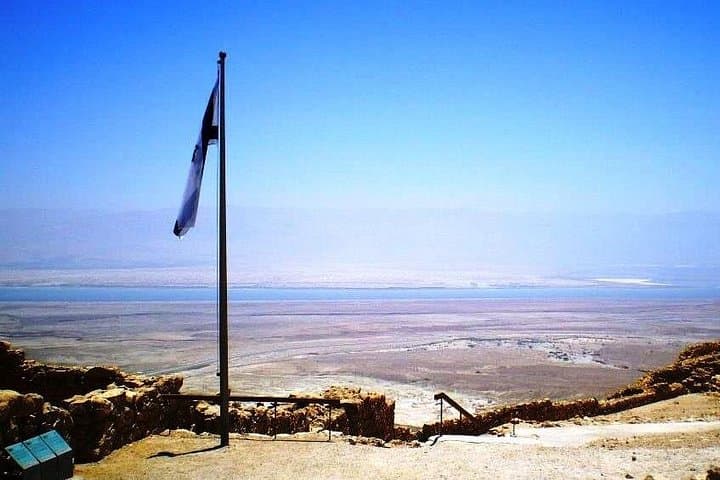
The day opens with desert air that seems to push you forward: pale limestone cliffs, a road that drops toward the glitter of the Dead Sea, and a fortress silhouette perched above the plain. On this private eight‑hour route you move by private vehicle through geometry of canyons and salt flats, stopping where history and geology intersect.
The day opens with desert air that seems to push you forward: pale limestone cliffs, a road that drops toward the glitter of the Dead Sea, and a fortress silhouette perched above the plain. On this private eight‑hour route you move by private vehicle through geometry of canyons and salt flats, stopping where history and geology intersect.
Masada dominates the story — Herod’s cliff‑top stronghold where Roman siege ramps and ancient storerooms still speak of resistance and sudden endings. Down the shore, Qumran’s ruined complexes and caves recall the scribes who left behind the Dead Sea Scrolls, fragile witnesses to Second Temple Judaism. The lake itself, the planet’s lowest exposed point, is a hypersaline body of water whose buoyancy and mineral mud have drawn travelers for millennia.
Geology is visible at every turn: evaporite terraces at the shore, salt pillars inland, and desert varnish on the ridgelines. Culture arrives in short, sharp doses — Bedouin trade along minor roads, kibbutz agriculture in the distance, and modern resort facilities around Ein Bokek.
Practical guidance: this is a vehicle‑based tour with walking at sites. Expect rocky paths and strong sun; choose sturdy shoes and bring at least 2 liters of water, sunscreen, and a hat. At Masada you can take the cable car or tackle the steep Snake Path; at the Dead Sea, plan only short swims — the water’s salinity stings open cuts and can make eyes sore. Timing matters: arrive early to avoid midday heat and take advantage of softer light for views and photos. Leave space in your day for quiet pauses — the desert resists hurry and rewards attention.
