THE ADVENTURE COLLECTIVE® · Independent discovery and booking for outdoor travel

A private, four‑hour excursion from Giza to Saqqara’s Step Pyramid offers close-up access to Egypt’s oldest large-scale stone monument. Expect guided explanations of the tomb’s tunnels, construction stages, and the surrounding funerary complex, with practical advice for sun, footing, and photography.
A private, four‑hour excursion from Giza to Saqqara’s Step Pyramid offers close-up access to Egypt’s oldest large-scale stone monument. Expect guided explanations of the tomb’s tunnels, construction stages, and the surrounding funerary complex, with practical advice for sun, footing, and photography.
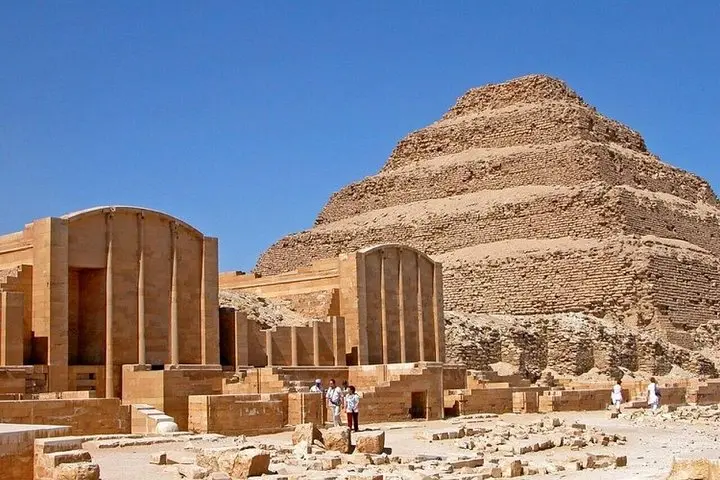
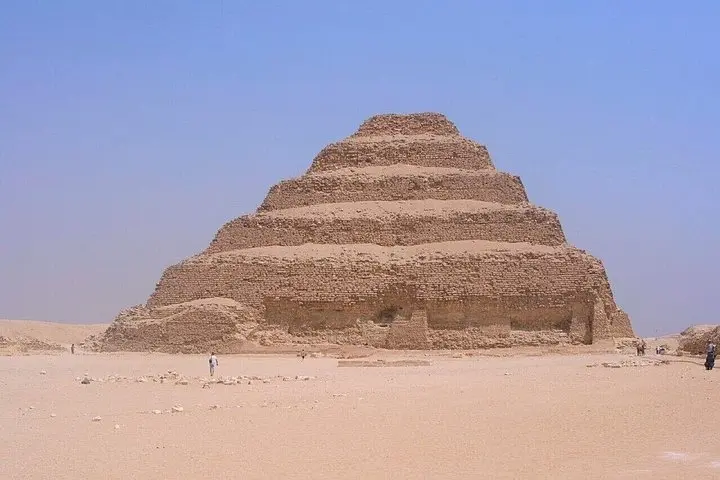
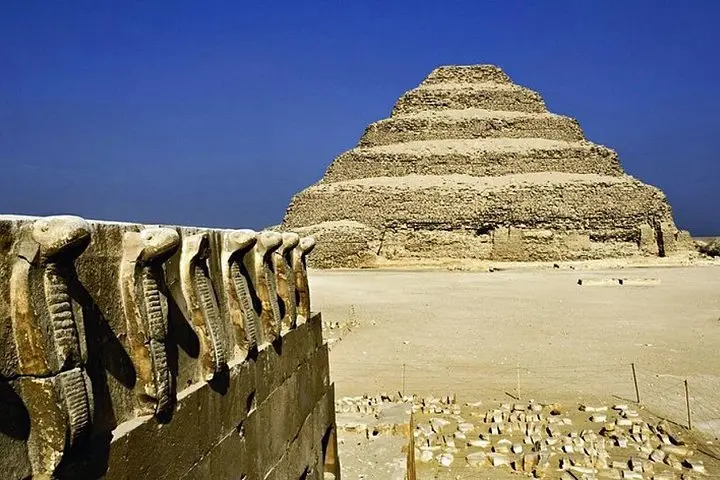
You step out of an air‑conditioned car into a sun-swept courtyard where limestone blocks catch the light like pages of an ancient book. The Step Pyramid of Djoser rises ahead in six stacked tiers, a raw, architectural experiment that still commands attention more than 4,600 years after it was built.
Verified experiences and guided adventures in the surrounding area.
Operated by ToBadaa · Saqqara, Cairo Governorate
You step out of an air‑conditioned car into a sun-swept courtyard where limestone blocks catch the light like pages of an ancient book. The Step Pyramid of Djoser rises ahead in six stacked tiers, a raw, architectural experiment that still commands attention more than 4,600 years after it was built.
The site at Saqqara marks a turning point in Egyptian funerary practice: Imhotep’s stepped design replaced simple mastabas and initiated the move to monumental stone construction. Beneath the pyramid, a network of tunneled galleries—nearly 6 km in total—served as burial chambers, storage and ritual space; aboveground, a preserved Tura limestone wall once framed ceremonial processions.
Geologically, Saqqara sits on the Nile’s floodplain edge where compacted sands and limestone allowed early builders to quarry and stack heavy blocks. Culturally, this area served Memphis, the Old Kingdom capital, and the site shows both technological innovation and the ritual logic of royal afterlife planning.
Practical guidance: the private tour lasts about four hours including pickup and return to Giza; wear sturdy, closed shoes for uneven surfaces and shade up—every minute in the open sun adds up. Photography is allowed in many areas but respect ropes and signage; guides will explain architectural details and point out original stonework versus modern restorations. Hydrate before and during your visit—water is often provided on private excursions—but bring your own bottle for flexibility. Mobility access is generally good around main viewing areas, but the interior galleries are narrow and unlit.
Timing tip: arrive earlier in the day to avoid peak heat and tour traffic and to catch the light on the pyramid’s faces.
The private tour is about four hours total including pickup and drop‑off; on‑site time at Saqqara is typically 1.5–2 hours.
Access to the interior galleries is limited and managed for conservation—your guide will explain which areas are open and safe to enter.
Main viewing areas and transportation can be wheelchair accessible, but some uneven surfaces and steps may limit access to certain sections—check with your provider if mobility assistance is required.
Private tours often include entrance and bottled water, but carry modest cash for museum shop purchases, additional refreshments, and tipping your guide and driver if appreciated.
ToBadaa operates guided outdoor trips and adventures with an emphasis on safety, stewardship, and memorable experiences.
You step out of an air‑conditioned car into a sun-swept courtyard where limestone blocks catch the light like pages of an ancient book. The Step Pyramid of Djoser rises ahead in six stacked tiers, a raw, architectural experiment that still commands attention more than 4,600 years after it was built.
You step out of an air‑conditioned car into a sun-swept courtyard where limestone blocks catch the light like pages of an ancient book. The Step Pyramid of Djoser rises ahead in six stacked tiers, a raw, architectural experiment that still commands attention more than 4,600 years after it was built.
The site at Saqqara marks a turning point in Egyptian funerary practice: Imhotep’s stepped design replaced simple mastabas and initiated the move to monumental stone construction. Beneath the pyramid, a network of tunneled galleries—nearly 6 km in total—served as burial chambers, storage and ritual space; aboveground, a preserved Tura limestone wall once framed ceremonial processions.
Geologically, Saqqara sits on the Nile’s floodplain edge where compacted sands and limestone allowed early builders to quarry and stack heavy blocks. Culturally, this area served Memphis, the Old Kingdom capital, and the site shows both technological innovation and the ritual logic of royal afterlife planning.
Practical guidance: the private tour lasts about four hours including pickup and return to Giza; wear sturdy, closed shoes for uneven surfaces and shade up—every minute in the open sun adds up. Photography is allowed in many areas but respect ropes and signage; guides will explain architectural details and point out original stonework versus modern restorations. Hydrate before and during your visit—water is often provided on private excursions—but bring your own bottle for flexibility. Mobility access is generally good around main viewing areas, but the interior galleries are narrow and unlit.
Timing tip: arrive earlier in the day to avoid peak heat and tour traffic and to catch the light on the pyramid’s faces.