THE ADVENTURE COLLECTIVE® · Independent discovery and booking for outdoor travel

Leave Hanoi’s traffic behind for a day of handwoven silk, laterite houses and quiet country lanes. This private tour pairs Van Phuc’s weaving heritage with Duong Lam’s 1,200-year-old streets for an accessible cultural immersion.
Leave Hanoi’s traffic behind for a day of handwoven silk, laterite houses and quiet country lanes. This private tour pairs Van Phuc’s weaving heritage with Duong Lam’s 1,200-year-old streets for an accessible cultural immersion.
You step out of Hanoi’s morning rush and into a different tempo: handwoven silk bright on low racks, narrow lanes opening onto flat rice paddies, and a bike waiting under a banyan tree. The day’s route threads Van Phuc’s centuries-old looms with Duong Lam’s laterite houses, where village gates and communal temples hold stories older than the modern city.
Verified experiences and guided adventures in the surrounding area.
Operated by Local Tours SAPA · Hanoi, Hanoi
You step out of Hanoi’s morning rush and into a different tempo: handwoven silk bright on low racks, narrow lanes opening onto flat rice paddies, and a bike waiting under a banyan tree. The day’s route threads Van Phuc’s centuries-old looms with Duong Lam’s laterite houses, where village gates and communal temples hold stories older than the modern city.
Van Phuc Silk Village grew into fame supplying silk for traditional áo dài and court garments; its looms and dye vats speak to craft economies that shaped the Red River plain. Duong Lam, with over a thousand years of continuous occupation, preserves architecture and street plans rare in rapidly changing Vietnam—laterite bricks, communal houses, Mia Pagoda’s carved panels, and temples dedicated to local scholars and leaders.
Expect quiet country roads for cycling, short walks between temples and family workshops, and a home-style Vietnamese lunch that centers on seasonal greens and grilled fish. The terrain is flat; weather is the variable—mornings can be cool, afternoons humid during monsoon months.
Practical notes: start early to avoid mid-day heat, bring a refillable water bottle and sun protection, and wear shoes that handle dusty lanes. Bring small cash for crafts and temple offerings. Guides handle transport and admissions, but polite etiquette at temples—removing hats, speaking softly—goes a long way. This tour suits travelers who want cultural texture, hands-on craft viewing, and easy cycling through living countryside without strenuous hikes or technical skills.
No—routes use flat village roads suitable for casual cyclists; the guide provides simpler routes and bike options for varying fitness levels.
Yes—the itinerary includes a traditional Vietnamese lunch in Duong Lam, and dietary restrictions can be accommodated when noted at booking.
Travel time varies with traffic but typically each transfer leg is around 45–75 minutes; total trip duration is about nine hours including stops.
Yes—the tour is family-friendly, though parents should ensure kids can handle a half-day of biking and walking.
Local Tours SAPA operates guided outdoor trips and adventures with an emphasis on safety, stewardship, and memorable experiences.
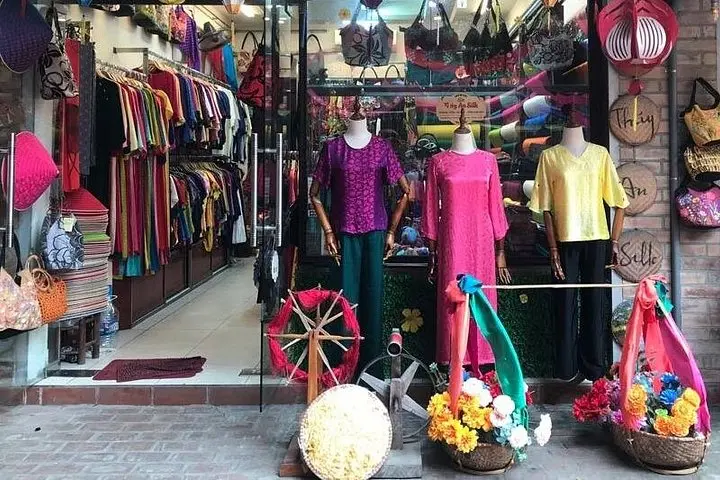
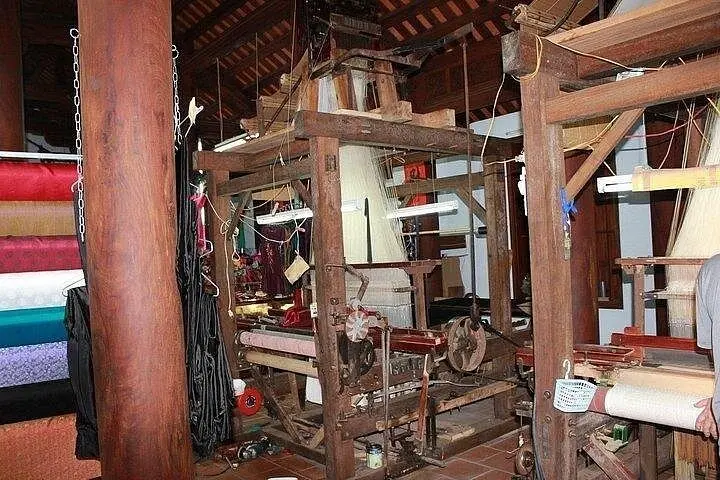
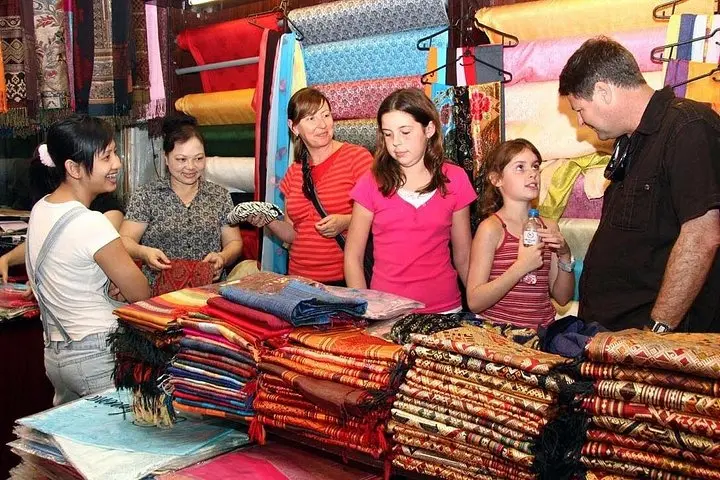
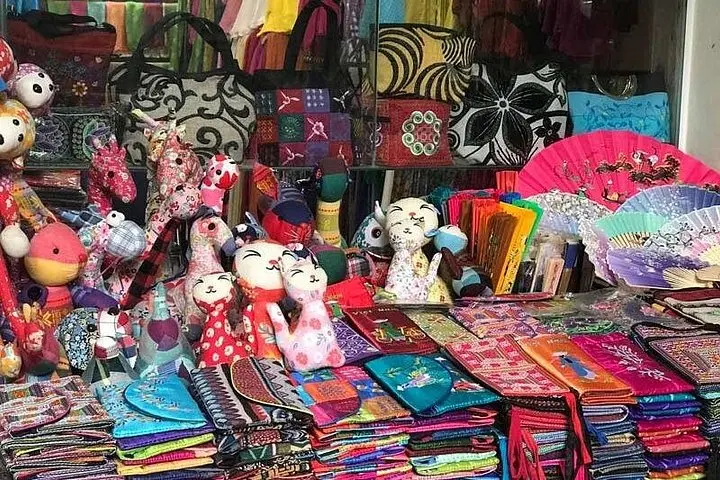
You step out of Hanoi’s morning rush and into a different tempo: handwoven silk bright on low racks, narrow lanes opening onto flat rice paddies, and a bike waiting under a banyan tree. The day’s route threads Van Phuc’s centuries-old looms with Duong Lam’s laterite houses, where village gates and communal temples hold stories older than the modern city.
You step out of Hanoi’s morning rush and into a different tempo: handwoven silk bright on low racks, narrow lanes opening onto flat rice paddies, and a bike waiting under a banyan tree. The day’s route threads Van Phuc’s centuries-old looms with Duong Lam’s laterite houses, where village gates and communal temples hold stories older than the modern city.
Van Phuc Silk Village grew into fame supplying silk for traditional áo dài and court garments; its looms and dye vats speak to craft economies that shaped the Red River plain. Duong Lam, with over a thousand years of continuous occupation, preserves architecture and street plans rare in rapidly changing Vietnam—laterite bricks, communal houses, Mia Pagoda’s carved panels, and temples dedicated to local scholars and leaders.
Expect quiet country roads for cycling, short walks between temples and family workshops, and a home-style Vietnamese lunch that centers on seasonal greens and grilled fish. The terrain is flat; weather is the variable—mornings can be cool, afternoons humid during monsoon months.
Practical notes: start early to avoid mid-day heat, bring a refillable water bottle and sun protection, and wear shoes that handle dusty lanes. Bring small cash for crafts and temple offerings. Guides handle transport and admissions, but polite etiquette at temples—removing hats, speaking softly—goes a long way. This tour suits travelers who want cultural texture, hands-on craft viewing, and easy cycling through living countryside without strenuous hikes or technical skills.